
Understanding the nuances of labor and delivery can often feel daunting, especially for expectant parents and those preparing to support them. One such term that frequently eludes clear comprehension is “pelvic station,” particularly when it’s expressed as “-3.” So, what does -3 pelvic station mean during the labor process? Let’s delve into this concept, unraveling its implications and significance in the journey of childbirth.
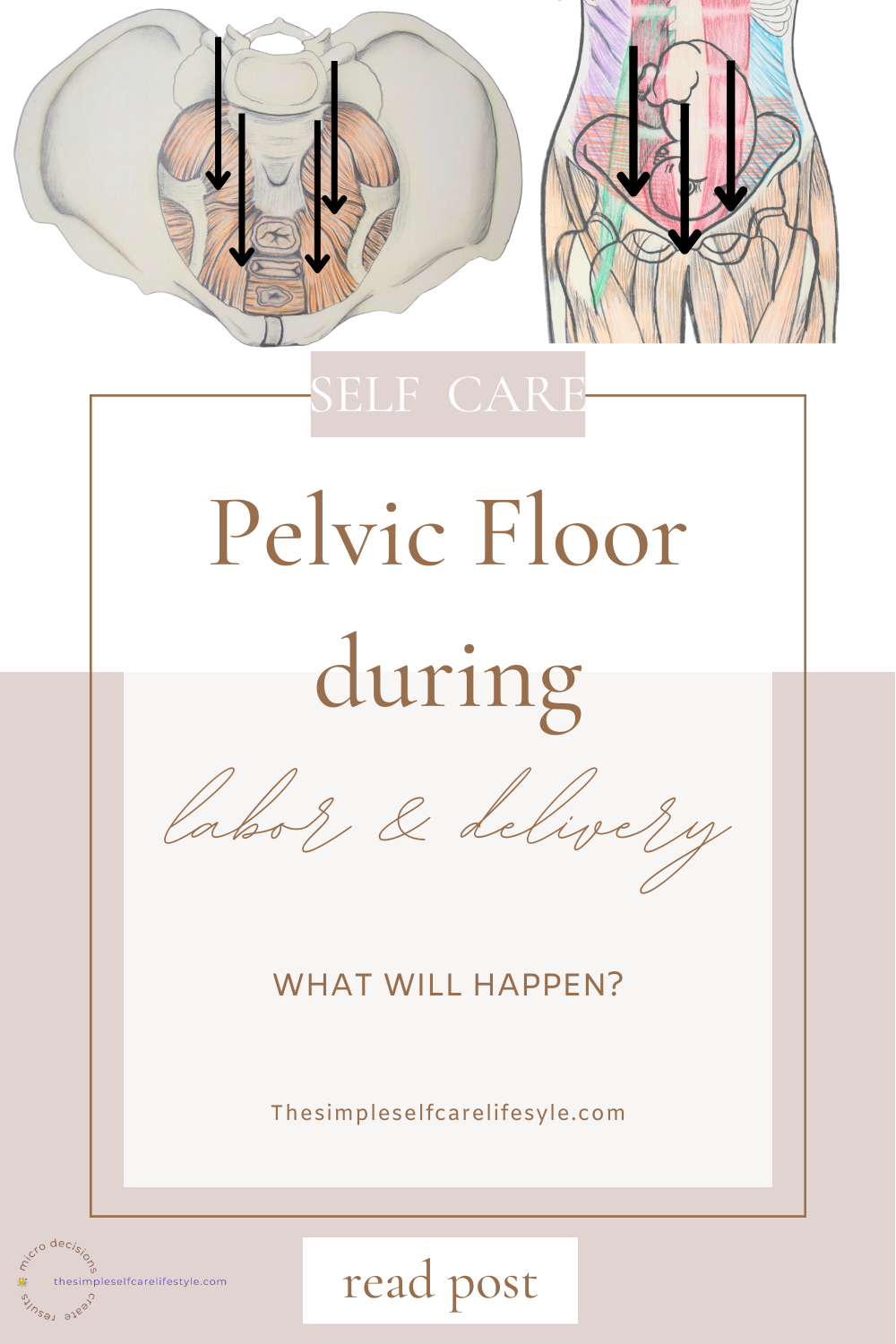
The term “pelvic station” refers to the position of the baby’s presenting part in relation to the ischial spines of the mother’s pelvis. The ischial spines are bony protrusions located within the pelvic cavity, serving as crucial landmarks in obstetrical measurements. During labor, the baby descends through the birth canal and its position is categorized based on the distance from these ischial spines, which serve as the zero point, or the “zero station.” When the baby is positioned at -3 station, this indicates that the presenting part – typically the head – is approximately three centimeters above the ischial spines, placing it in the early stages of descent through the pelvic canal.
-3 pelvic station is a point on a continuum that contexts the labor process. This stage is often associated with early labor, where the cervix is still dilating and the baby is yet to engage fully in the birth canal. The significance of understanding this terminology lies not merely in its clinical implications, but also in the emotional landscape it paints for those awaiting the arrival of a new life.
In observing the dynamics of labor, it becomes clear that every centimeter, every station tells a tale. At -3, mothers may experience various physiological sensations. The onset of contractions could be fleeting, irregular, or even nonexistent at this stage, leading many to question the nature and progress of their labor. This uncertainty can create a fluctuating emotional climate fraught with anticipation and sometimes anxiety.
The dynamics of the body during this stage showcase the intricate ballet between the mother’s body and the fetus. Hormonal fluctuations and physical changes harmonize with the pull of gravity as the baby begins its journey towards birth. The significance of -3 pelvic station extends beyond a mere measurement; it hints at the earth-shattering adventure of labor itself—an odyssey that transforms the way a person perceives pain, strength, and the powerful act of bringing forth life.
Comprehending what -3 pelvic station represents can also foster a richer understanding of labor stages. The progression from -3 to 0 indicates the engagement of the fetal head within the pelvis and subsequent descent. This eventuality is not merely a mechanical process; it heralds an emotional metamorphosis in the laboring person, who often transitions into a state of readiness and resilience as the contractions become more pronounced.
As labor progresses, the body employs an unsettling but remarkable force—the power of contractions—to facilitate movement through the pelvic canal. This visceral disarray is often portrayed through media and anecdotal accounts, however, it is important to recognize that each labor experience is distinct. At -3, the promise of transformation is palpable; it is a liminal space rife with the potential for what lies ahead.
Moreover, the specificity of pelvimetric measurements like -3 encourages discussions surrounding the tailored approaches to pain management and labor support. Each individual’s preferences differ significantly, which enhances the multifaceted nature of childbirth. Throughout this process, knowledge becomes power. Anticipating -3 pelvic station may help expectant parents forge a palpable sense of control in a scenario where unpredictability often reigns supreme.
Healthcare providers often utilize -3 pelvic station as a metric to assess the progression of labor, guiding their interventions and support strategies accordingly. Obstetricians and midwives closely monitor these changes to ensure both maternal and fetal safety, often discussing the implications of station progression with their patients. Building space for curiosity and education about these terms enriches the experience of labor, inviting expectant families to explore the intricacies of acknowledging such clinical landmarks.
Additionally, understanding the context surrounding -3 pelvic station touches upon broader conversations regarding birth planning, anxieties, and the innate human desire to comprehend the unknown. Expectant parents frequently gather extensive information from classes, literature, or online forums, seeking clarity in the fog of uncertainty. Herein lies a paradox: to navigate the unknown, one must accept the partial impermanence of knowledge and the possibility of messy realities—labor can be unpredictable.
The journey from -3 pelvic station to delivery is more than just a physical descent; it encapsulates an emotional and psychological expedition. Each station traversed represents milestones both tangible and abstract. Whether navigating feelings of doubt, moments of surprise, or sheer joy, -3 is but the beginning of an intricate symphony that unfolds as the baby approaches its grand entrance.
In conclusion, while -3 pelvic station may initially appear as a clinical term defined by distance, it represents a potent convergence of physical, emotional, and psychological elements during labor. Embracing this understanding allows us to navigate the fascinating narrative of childbirth with greater insight, empathy, and empowerment, transforming the experience from a clinical journey into one that encompasses the rich tapestry of human emotion and resilience.












