
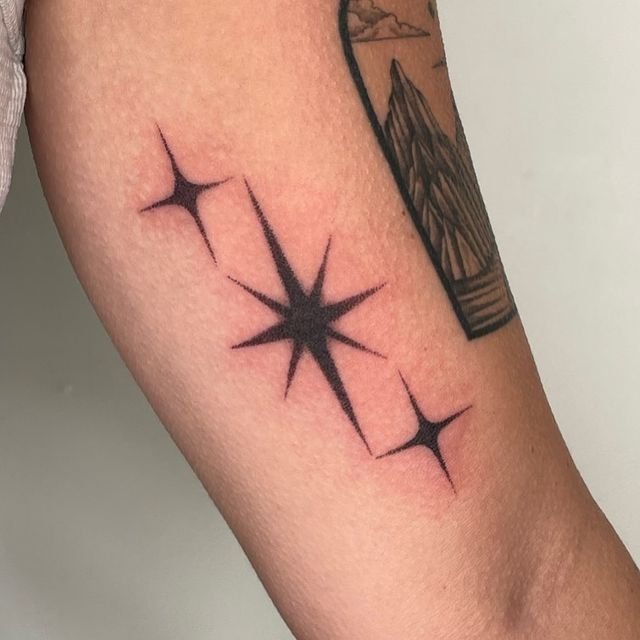
In the vast tapestry of body art, few symbols evoke as much intrigue and fascination as the star tattoo. With its ability to transcend cultural barriers, the star serves as a potent emblem that resonates with myriad interpretations. This article delves into the cultural and spiritual significance of star tattoos, dissecting their meanings across different societies and exploring the psychological allure that drives individuals to adorn themselves with such celestial ink.
At its core, the star symbolizes guidance, light, and aspiration. For many cultures, stars have been seen as navigational tools, helping travelers find their way in the darkest of nights. Ancient mariners relied on constellations to traverse uncharted waters, transforming these heavenly bodies into symbols of hope and direction. This intrinsic value of direction is often mirrored in the tattoo itself, as many wear the star as a reminder to remain steadfast and focused on their goals.
Across various cultures, the star tattoo’s interpretations vary significantly, yet they often converge around themes of aspiration and guidance. In nautical traditions, the star represents guidance and protection. Sailors frequently adorned themselves with star tattoos to symbolize safety on their journeys. The “Nautical Star,” in particular, has emerged as a cherished emblem among seafarers. This five-pointed star represents the North Star, a constant and unwavering guide amidst tumultuous seas.
In contrast, Native American cultures incorporate star symbols into their spiritual narratives. For these societies, stars often represent ancestors or spirits watching over the living. The symbolism of stars in Native American lore exemplifies a profound connection to the cosmos, where each star is a beacon of ancestral wisdom. The tattoo resonates with individuals who seek to honor their heritage, serving as a bridge between the earthly existence and the spiritual realm.
Stepping onto the continents of Asia, the significance of stars transforms yet again. In Chinese culture, the star often serves as a symbol of good fortune and auspiciousness. The “Star of Happiness,” for instance, embodies positivity and prosperity. Tattooing a star may signify an individual’s desire for luck in various aspects of life—from personal endeavors to career aspirations. In this context, the star becomes more than just a decorative element; it encapsulates a deep yearning for success and well-being.
Furthermore, the star tattoo finds its footing within the framework of spirituality. For many individuals, tattoos become a canvas for personal beliefs and philosophies. The pentagram, a five-pointed star often associated with Wicca and various pagan traditions, embodies the balance of earth, air, fire, and water. It signifies the interconnectedness of all elements in the universe, fostering a sense of belonging to something greater than oneself. Wearing a pentagram tattoo can be a powerful declaration of one’s spiritual journey, honoring the harmony between nature and humanity.
The fascination with star tattoos is not purely rooted in cultural significance; it often stems from the desire for self-expression. In a world punctuated by chaotic realities, individuals yearn for symbols that inspire and uplift. Stars, with their celestial allure, evoke feelings of wonder and possibility. They prompt introspection about one’s place in the universe, igniting conversations about dreams and aspirations.
Moreover, the positioning of a star tattoo can carry additional meanings. A star depicted on the wrist may signify personal triumphs or milestones, while one on the shoulder might symbolize protective forces or guardianship. The placement reflects an intimate relationship between the wearer and the symbolism behind the ink. This personal connection adds another layer of depth to the star tattoo’s meaning, transforming it from a simple design into a significant marker of life experiences.
In contemporary society, the star tattoo transcends traditional meanings to become a fashion statement as well. Celebrities and influencers often adorn themselves with star tattoos, contributing to a cultural zeitgeist that elevates the symbol’s status. The star, now seen in various styles and artistic interpretations, further substantiates its allure as a canvas for individual creativity. From minimalist outlines to intricate designs, artists are reimagining how stars are represented in the tattoo art world.
However, the appeal of star tattoos is not devoid of its complexities. While many embrace their meaning, others may grapple with societal perceptions. For some, the star can fall prey to clichés or commercialism. The challenge lies in infusing personal significance into the tattoo, ensuring it transcends the superficial trends of the day. A star tattoo worn without contemplation may fail to capture its intended essence, leading to a disconnect between the individual and the symbolism.
Ultimately, the star tattoo serves as a multifaceted emblem, woven into the fabric of cultural narratives across the globe. It embodies aspirations, guides individuals through life’s tumultuous seas, and evokes an ethereal connection to the cosmos. Whether as a symbol of hope, a mark of heritage, or a personal testament to one’s journey, the star continues to captivate hearts and minds.
As we navigate our own paths, perhaps adorning ourselves with a star tattoo can become a silent vow—to seek guidance, aspire for greatness, and embrace the wonders of the universe that lie within and beyond.












