
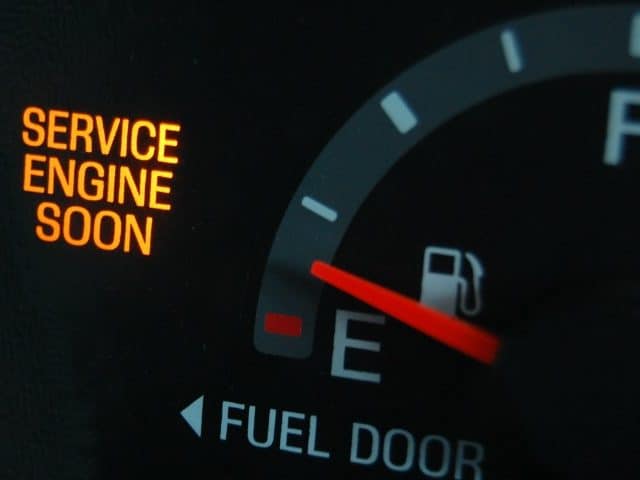
When your vehicle’s dashboard illuminates with the cryptic phrase “Service Engine Soon,” it may stir a mix of anxiety and confusion. This message serves as a clarion call, indicating that your car’s computerized engine management system has detected a potential malfunction. Ignoring this alert might lead to more severe repercussions down the road, both for your wallet and the vehicle’s longevity. This article explores the implications of this warning, common symptoms associated with it, potential causes, and the steps you should consider taking to address the issue.
There are various ramifications when faced with the “Service Engine Soon” light, each urging immediate attention. Typically, this notification signifies that the onboard diagnostics (OBD) system has recognized an anomaly within its parameters. For many drivers, the anticipation of an expensive repair bill can trigger immediate stress. Notably, this light does not differentiate the severity of the issue, ranging from trivial to dire. Thus, discerning the root cause becomes paramount.
Understanding the implications of the warning light begins with recognizing its symptoms. The byproducts of a malfunctioning engine can manifest in several ways, signifying that attention is required:
- Decreased Fuel Efficiency: If your car is guzzling gas unusually, it’s a red flag. Many drivers notice a steep drop in fuel economy concurrent with the illumination of the service engine light.
- Unusual Engine Noise: Sounds akin to knocking, ticking, or popping that emerge during a drive may indicate internal issues that require immediate assessment.
- Rough Idling: Upon stopping, the engine may vibrate or feel unsteady. This instability signals that the engine is struggling to maintain optimal functionality.
- Loss of Power: If the vehicle hesitates or doesn’t respond as expected during acceleration, it may be a sign that the engine isn’t operating as intended.
- Visible Smoke: Exiting the exhaust pipe, smoke of any color—particularly blue, black, or white—can indicate serious complications that warrant urgent evaluation.
The recurrence of these symptoms, in conjunction with the “Service Engine Soon” message, should not be overlooked. Resolving the issue swiftly can help avoid damage escalation to critical engine components. However, readers may wonder what’s behind this important warning. Let us delve into several common culprits that can trigger the light:
- Faulty Oxygen Sensors: These sensors monitor the oxygen levels in your exhaust, contributing to optimal engine performance and fuel efficiency. If malfunctioning, they can lead to an imbalanced air-fuel mixture.
- Loose or Damaged Gas Caps: A surprisingly frequent cause, an improperly sealed gas cap can lead to evaporative emissions issues, prompting the warning light. It’s a simple fix and contributes to the overall health of your vehicle.
- Malfunctioning Catalytic Converters: This component is vital for controlling emissions. If it fails, not only does performance diminish, but it can also raise emitting pollutants significantly.
- Ignition System Misfires: Problems with spark plugs or ignition coils may prompt the light, often an indication of a broader electrical issue affecting engine efficiency.
- Mass Airflow Sensor Failures: Crucial for ensuring a correct balance of air and fuel, issues here can lead to poor performance, increased emissions, and reduced efficiency.
Once the light activates, proper protocol entails reviewing your vehicle’s user manual. It typically provides a clearer understanding of the diagnostic system’s nuances specific to your model. Consulting an automotive professional is recommended to initiate a diagnostic scan, which will unveil error codes indicative of specific malfunctions.
Continued driving with a service engine light is ill-advised. Here’s why: prolonged negligence can aggravate existing problems, leading to costlier repairs and potentially hazardous driving conditions. Regular maintenance services, such as oil changes, tune-ups, and appropriate diagnostics, can preemptively address minor issues before they morph into significant dilemmas.
In terms of resolution and what lies ahead, it’s vital to take prompt action. Ignoring the service engine warning could lead to a host of complications. If it recedes briefly but resurfaces, immediate diagnostic testing should be arranged. Moreover, the cost of neglect can extend beyond financial implications; driving a malfunctioning vehicle holds inherent risks to both driver and passengers.
In the event of troubleshooting the problem, a few essential steps can be followed:
- Check for Obvious Issues: Look at the gas cap. If it’s loose, re-tighten it; this simple act might extinguish the warning light.
- Inspect Engine Components: Assess components visible to you for signs of wear or damage, like wires or hoses.
- Utilize a Code Reader: For the more technically inclined, utilizing an OBD-II scanner can offer valuable insight into what the issue may be.
- Visit a Certified Mechanic: A professional diagnosis can ensure that you receive proper treatment tailored specifically to your vehicle’s needs.
Taking the right approach to your engine’s health can extend its life and maximize your investment. Thus, when faced with the “Service Engine Soon” light, approach with diligence and urgency, ensuring that your vehicle remains a reliable companion on every journey.












