
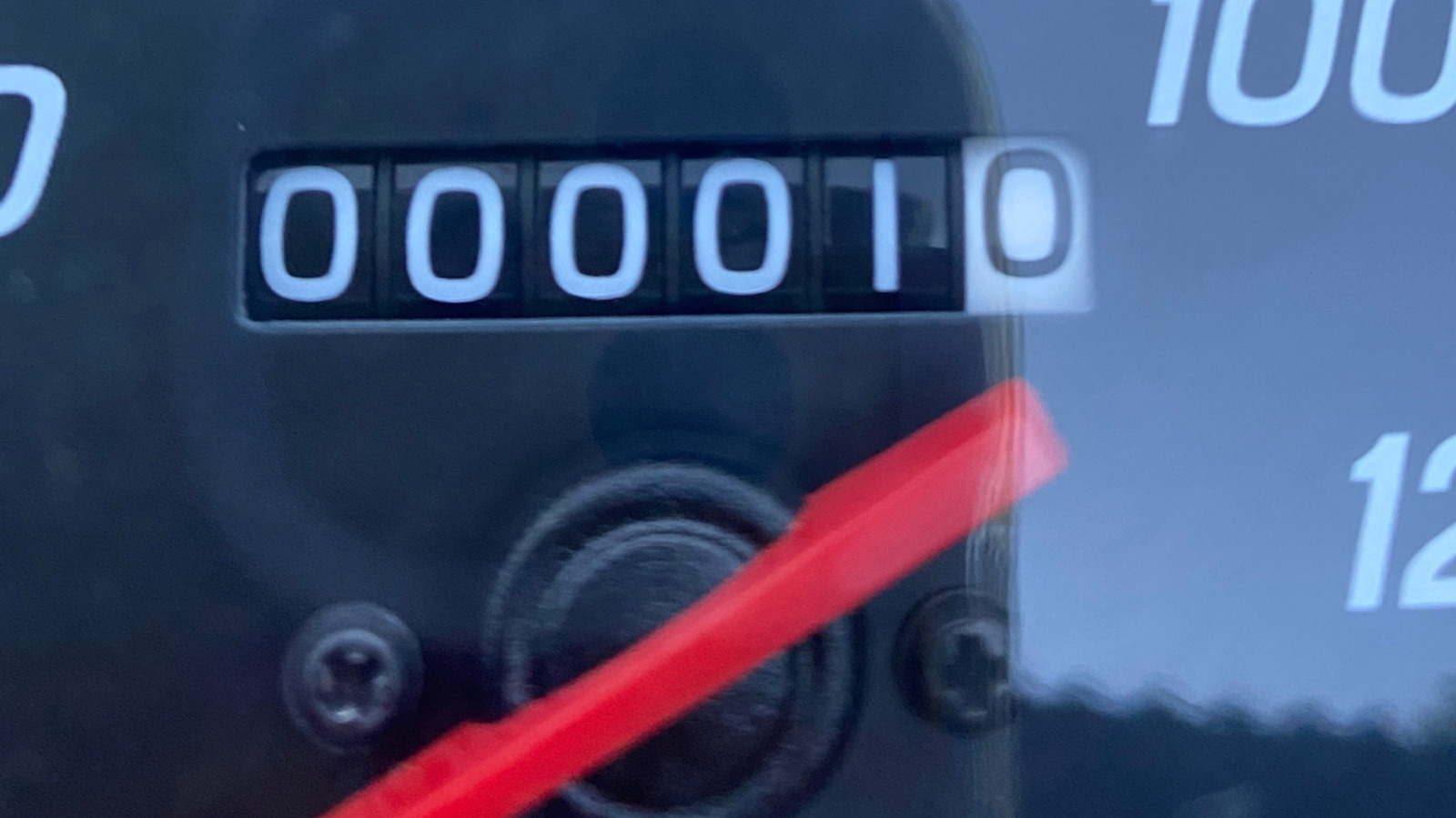
When delving into the realm of purchasing a vehicle, understanding the concept of mileage becomes paramount. Mileage, often denoted in terms of miles driven, serves as a crucial metric that can significantly influence a buyer’s decision-making process. But what does mileage truly mean, and how can it guide you in buying smarter? This article aims to elucidate the multifaceted dimensions of mileage, equipping you with the knowledge needed for an informed vehicle purchase.
1. Defining Mileage
Mileage refers to the total number of miles a vehicle has traveled since its inception. This figure is typically displayed on the vehicle’s odometer and is paramount in assessing the car’s usage and wear over its lifespan. It is important to note that mileage can be categorized into various types, including city mileage, highway mileage, and combined mileage. Each has its implications for the vehicle’s condition and overall value.
2. The Types of Mileage
Understanding the different types of mileage can provide deeper insights into a vehicle’s performance and durability:
- City Mileage: These miles are accumulated primarily in urban environments, characterized by numerous stops, starts, and lower speeds. Vehicles primarily driven in these conditions tend to experience more wear and tear due to frequent acceleration and braking.
- Highway Mileage: Cars driven predominantly on highways usually accrue mileage at higher speeds with sustained travel. This often results in less stress on the vehicle’s engine and components, potentially extending its functional life.
- Combined Mileage: This figure represents a blend of both city and highway driving, providing an overall view of the car’s use. It is essential for understanding how consistently a vehicle has been driven under various conditions.
3. The Significance of Mileage in Vehicle Valuation
Mileage plays a pivotal role in determining the market value of a car. Lower mileage often correlates with a higher resale value, appealing to many prospective buyers seeking reliability and durability. Conversely, a vehicle with exceedingly high mileage may be viewed as a risk, signaling potential future repairs and maintenance concerns. It is prudent to benchmark mileage against industry standards for similar vehicles, considering factors such as age, model, and overall condition.
4. The 10,000-Mile Rule
As a general guideline, many automotive experts adhere to the “10,000-mile rule.” This principle suggests that a vehicle accumates roughly 10,000 miles per year. Consequently, a five-year-old car should ideally have about 50,000 miles on the odometer. Deviations from this norm warrant a deeper investigation into the vehicle’s history and care, raising questions about its usage and potential issues.
5. High vs. Low Mileage: Pros and Cons
Choosing between a high-mileage and a low-mileage vehicle involves weighing various pros and cons:
- High Mileage: While it may seem counterintuitive, high-mileage vehicles can often be purchased at significantly reduced prices. Furthermore, if they have been well-maintained, the bargain can translate to substantial savings. However, tread carefully; this choice often accompanies the risk of costly repairs and a potentially shortened lifespan.
- Low Mileage: Low-mileage cars typically promise longevity and might warrant fewer immediate repairs. That said, they may come with a hefty price tag, and one must consider the vehicle’s condition beyond just the numbers on the odometer.
6. The Importance of Maintenance History
As you navigate the complexities of mileage, understanding the importance of a vehicle’s maintenance history becomes vital. Regardless of a vehicle’s mileage, robust maintenance documentation can offer insights into how the car has been treated over time. Regular services, oil changes, and repairs signal a commitment to upkeep, enhancing the car’s reliability, irrespective of its odometer reading.
7. The Role of Technology in Mileage Assessment
Contemporary advancements in automotive technology have revolutionized how mileage is recorded and interpreted. Digital odometers, for example, are less susceptible to tampering than traditional mechanical ones. Furthermore, GPS tracking and vehicle telematics provide real-time mileage data, aiding consumers in understanding their vehicle’s usage patterns better. This technological shift enhances transparency and trust in the mileage reported at the time of sale.
8. How to Buy Smarter
Armed with knowledge about mileage, buyers can make astute decisions when purchasing a car:
- Research: Delve into the vehicle’s history, including previous ownership, service records, and mileage trends to gauge treatment and potential issues.
- Inspection: Consider a pre-purchase inspection by a qualified mechanic to uncover any hidden concerns, irrespective of the mileage reported.
- Test Drive: Always take the vehicle for a test drive. Pay attention to any unusual sounds or performance issues, regardless of the mileage.
Conclusion
Understanding mileage is indispensable when navigating the car-buying process. Whether you’re opting for a low-mileage car for peace of mind or considering high-mileage options for potential savings, integrating mileage awareness with meticulous research and vehicle history can ensure a smarter and more satisfying purchase. In the intricate web of automotive choices, being informed is your best ally for making sound decisions.











