
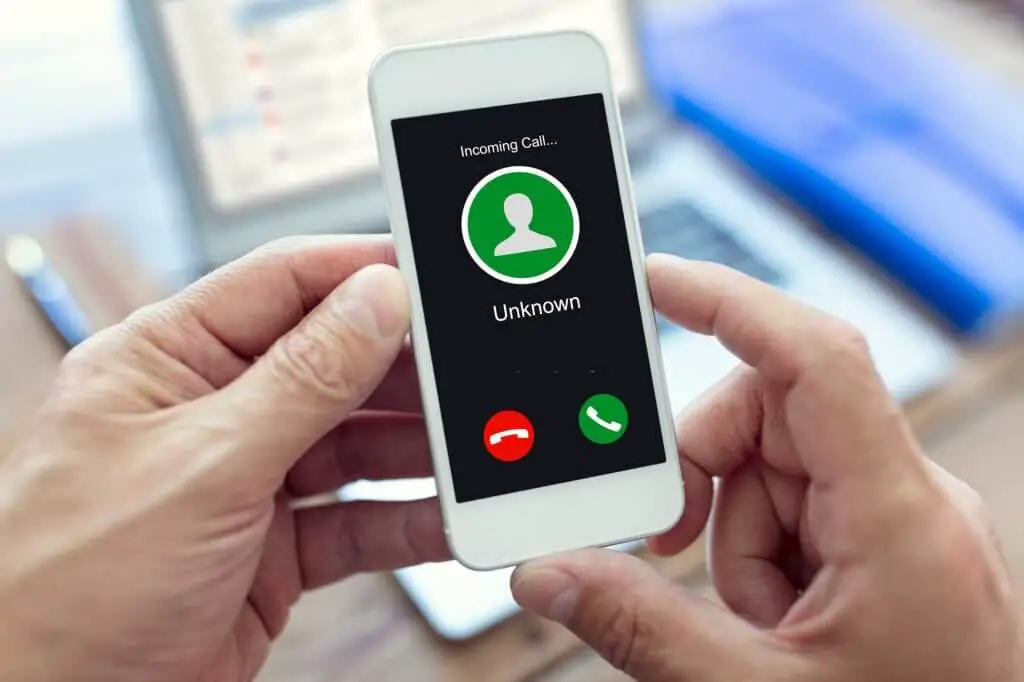
In an increasingly digital world, mobile phones have transcended their primary function of voice communication. They have metamorphosed into indispensable tools for connectivity, productivity, and entertainment. However, as with any sophisticated technology, the complexities of phone settings can often perplex the average user. One such aspect is “calling restrictions.” This article endeavors to elucidate the nuances of calling restrictions, ensuring a comprehensive understanding of what they entail and their implications on user experience.
Understanding Calling Restrictions
At its core, calling restrictions refer to limitations imposed on the ability to make or receive calls. These restrictions can arise from various sources, including service provider regulations, device settings, or user-configured preferences. Understanding the context in which these restrictions manifest is pivotal for users seeking to manage their call capabilities effectively.
Types of Calling Restrictions
Calling restrictions may include several categories, each serving a distinct purpose. Let’s explore these in detail:
- Network-imposed Restrictions
- Device Permissions
- Location-based Restrictions
- Call Blocking Features
- Emergency Call Restrictions
Telecommunication service providers often impose restrictions due to various factors such as account status, payment delinquency, or specific service agreements. For instance, unpaid bills may lead to suspension of outgoing call privileges while still allowing incoming calls. Understanding your account’s standing with your provider is crucial to mitigating these restrictions.
Smartphones come equipped with settings that can restrict calling capabilities at the user’s discretion. Some users may choose to disable certain features like international dialing or restrict outgoing calls entirely. This can be particularly useful for parents managing their children’s phone usage or for individuals who wish to avoid unexpected fees.
Geographic barriers can also restrict calling capabilities. For instance, some users traveling abroad may find that their ability to make calls depends on whether their network allows roaming services. Moreover, specific apps may not function without a stable connection to the home network, further complicating the landscape for users expecting seamless communication.
Within the device settings, users may encounter features specifically designed to block unwanted calls. These settings allow users to create block lists, ensuring that they are not disturbed by telemarketers or other nuisance calls. Additionally, many smartphones provide options for silencing unknown callers, allowing the user to focus on crucial communications while filtering out distractions.
In critical situations, certain restrictions become fluid. Most mobile devices allow users to make emergency calls regardless of their phone’s lock status or network restrictions. However, understanding the protocols and limitations for such calls—especially in an unfamiliar location—can have life-saving implications.
How to Manage Calling Restrictions
Effectively managing calling restrictions requires an adept understanding of device settings as well as awareness of one’s service provider stipulations. Here are several actionable steps users can take:
- Review Your Account Status
- Explore Device Settings
- Utilize Call Management Applications
- Understand Roaming Rules
Regularly check your account with your telecommunications provider. Understanding billing cycles, usage limits, and service agreements can help avoid unintended restrictions.
Delve into your smartphone’s calling settings. Familiarize yourself with options such as call restrictions, call forwarding, and blocking functions. Tailor these settings to suit your preferences and avoid unnecessary inconveniences.
Many third-party applications are designed for comprehensive call management. These apps provide users with enhanced options for blocking unwanted calls and managing contacts more effectively.
If traveling internationally, it is crucial to understand your service provider’s roaming policies. Researching and activating any necessary settings before departing can prevent unpleasant surprises regarding calling capabilities abroad.
Conclusion
In summary, calling restrictions are multifaceted and influenced by a plethora of factors ranging from user preference to network protocols. By grasping the intricacies of these restrictions, users can take proactive steps to manage their phone settings, enhancing their connectivity experience. Awareness of account status, device capabilities, and available applications will empower individuals to navigate the complex landscape of mobile communication with confidence and ease.












