
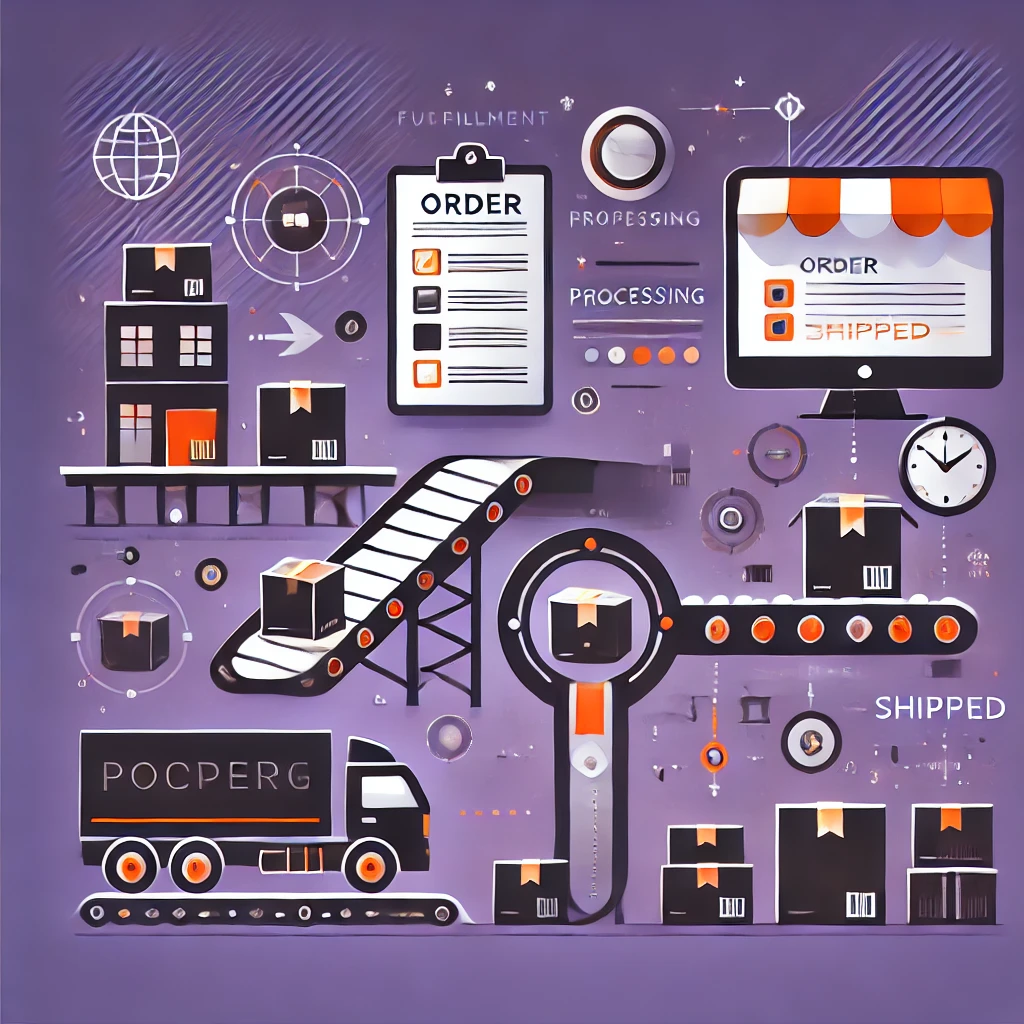
The realm of e-commerce is rife with jargon and terminology that can often confuse even the most seasoned professionals. Among these terms, “fulfillment” stands out not only as a fundamental concept in shipping and logistics but also as a critical factor that can determine customer satisfaction and business success. Understanding what fulfillment means, particularly in the context of shipping, is paramount for businesses aiming to navigate the complexities of their operational frameworks efficiently.
At its core, fulfillment in shipping refers to the entire process involved in receiving, processing, and delivering orders to customers. This process often entails several critical stages: inventory management, order processing, packing, shipping, and delivery. Each of these stages plays a vital role in ensuring that products arrive at their destination in a timely and satisfactory manner, thus influencing customer experiences and retention rates.
To embark on a deeper exploration of this concept, it is essential first to delineate the stages involved in the fulfillment process. Each stage is not merely a function; it represents a cog in a larger wheel that drives business efficiency.
1. Inventory Management
The journey of fulfillment begins with inventory management. This process involves tracking, ordering, and storing products. Proper inventory management ensures that businesses have the necessary stock on hand to meet consumer demands without overstocking items that may lead to increased carrying costs. Companies often utilize sophisticated inventory management systems to streamline this process, utilizing technologies such as barcoding and software analytics to gauge product availability accurately.
2. Order Processing
Once an order is placed, it cascades into the order processing phase. This step includes validating the order, confirming payment, and preparing the items for shipment. Seamless order processing is critical; delays here can set off a domino effect, causing dissatisfaction among customers. Moreover, a sophisticated order management system can automate many components of this phase, further enhancing efficiency.
3. Picking and Packing
After processing the order, the picking and packing stage commences. This involves selecting items from the inventory and preparing them for transport. Efficient picking methods, such as batch picking or zone picking, can significantly expedite this portion of the fulfillment process. Once items are picked, they require careful packing to ensure they arrive in pristine condition. The packaging also plays a pivotal role in branding, as it is often the first physical interaction a customer has with a brand.
4. Shipping
With the items now packed, the next logical step is shipping. This stage entails selecting the right carrier and method for transport. The choice of shipping can greatly influence delivery times and costs, factors which are increasingly vital in an era where consumers expect rapid fulfillment. Many businesses wrestle with the balance between speed and expense, often employing a multi-modal approach to shipping to cater to diverse customer desires.
5. Delivery
The final phase, delivery, is where promises made by businesses meet reality. Successful delivery is not merely about transporting goods from one location to another; it encompasses the entire experience a customer has. Timely delivery enhances customer satisfaction, while delays can erode trust and damage reputations. Businesses are increasingly utilizing tracking technologies that allow customers to stay informed about their orders, adding an invaluable layer of transparency to the fulfillment process.
6. The Significance of Fulfillment in Shipping
The ramifications of effective fulfillment are profound. Businesses that excel in this area often witness heightened customer loyalty, repeat purchases, and enhanced brand reputation. Conversely, fulfillment mishaps can lead to negative reviews, lost customers, and significant financial consequences. Therefore, fulfillment is not just about logistics; it’s a cornerstone of business strategy that requires diligent attention and continuous improvement.
7. The Evolution of Fulfillment Practices
As technology advances, so too does the landscape of fulfillment in shipping. Innovations such as automated warehousing, drone delivery, and artificial intelligence-driven analytics are transforming how businesses approach fulfillment. Organizations are now able to harness data to predict consumer behavior, optimize inventory levels, and even personalize the shopping experience.
Moreover, the COVID-19 pandemic has underscored the necessity of adaptive fulfillment strategies. The surge in online shopping has prompted many businesses to reevaluate their fulfillment capabilities, focusing on agility and efficiency to meet the new demands of consumers.
8. The Future of Fulfillment
Looking ahead, the future of fulfillment in shipping is poised to be shaped by several trends. Sustainability is becoming increasingly important; businesses are exploring eco-friendly packaging options and carbon-neutral shipping methods. Beyond that, the integration of machine learning and data analytics will likely continue to revolutionize inventory management and customer service, creating a more responsive and efficient fulfillment landscape.
In conclusion, understanding what fulfillment means in shipping is not just beneficial; it is essential for any business that wishes to thrive in today’s competitive market. Each stage of fulfillment—from inventory management to delivery—plays a crucial role in shaping customer experiences. As the landscape evolves, businesses must remain agile, informed, and responsive to the myriad complexities associated with fulfillment. Embracing these challenges is not merely a necessity; it is an opportunity to forge deeper connections with customers, building a robust foundation for future success.












