
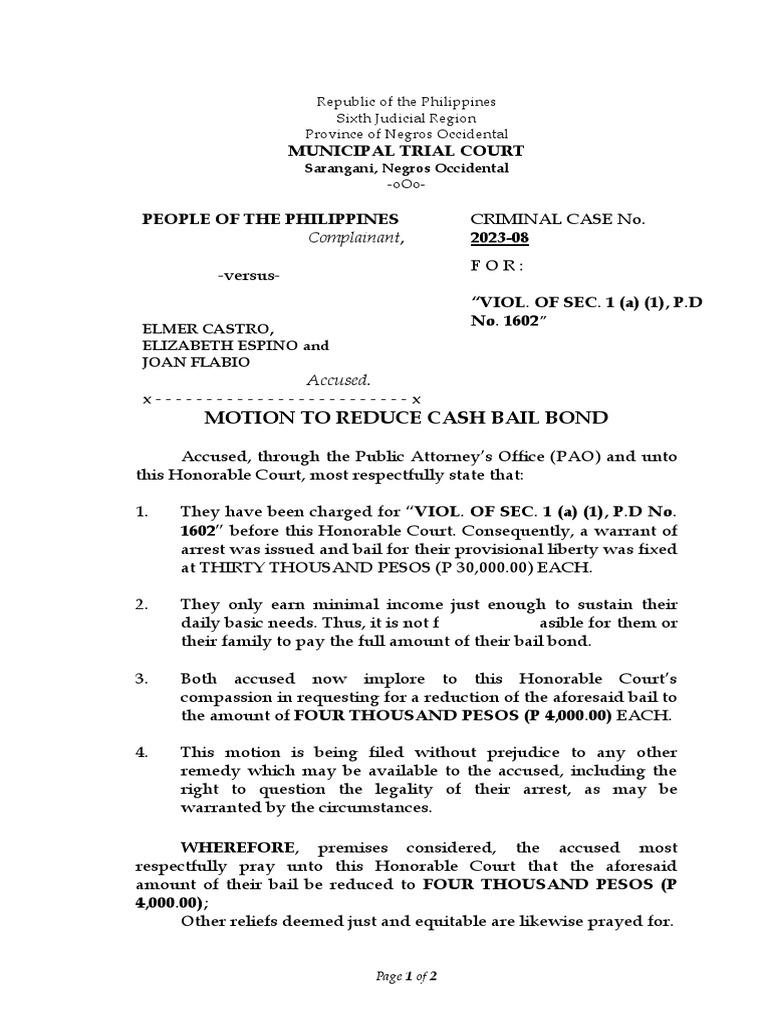
When an individual is arrested, they may find themselves confronted with the prospect of posting a bond, commonly referred to as bail. This process serves as a critical component of the judicial system, striking a balance between a defendant’s right to freedom and the necessity of assuring their appearance in court. But what does it truly mean to post a bond? Below, we explore the multifaceted aspects of legal bail, elucidating its types, processes, and implications.
Understanding Bail and Its Purpose
Bail, in essence, is a monetary guarantee designed to ensure that a defendant returns for their court hearings. It operates on the principle that individuals are presumed innocent until proven guilty. Thus, rather than detaining someone pre-trial, the legal system allows for the option of bail. The underlying purpose here is both practical and philosophical: to alleviate overcrowded jails while maintaining the integrity of the judicial process.
The Elements of Bail Bonds
A bail bond is a written agreement in which a third party, typically a bail bondsman, agrees to pay the full bail amount if the defendant fails to appear in court. Here, it is important to distinguish between different types of bail bonds:
- Cash Bond: This type of bond requires the defendant or someone on their behalf to pay the full bail amount in cash. If the defendant attends all required court appearances, the cash is returned at the end of the case, albeit subject to certain administrative fees.
- Surety Bond: Often facilitated through a bail bondsman, a surety bond allows the defendant to pay a non-refundable fee—typically 10-15% of the bail amount—to secure their release. The bondsman then assumes the risk of the entire bail amount, meaning they will owe the court if the defendant absconds.
- Property Bond: In some jurisdictions, defendants can use collateral, such as real estate, to post bail. This requires a legal process involving the valuation of the property and appropriate documentation, creating more complexity in the bail process.
- Federal Bail: Special rules govern bail in federal cases, typically involving higher stakes and more stringent conditions. This often incorporates pretrial services that evaluate the defendant’s risk factor and may lead to the imposition of financial conditions or other restrictions based on flight risk assessments.
The Bail Decision Process
The decision regarding the granting of bail is not solely at the defendant’s discretion. Several key factors influence this determination:
- Severity of the Offense: Serious charges such as violent crimes often come with higher bail amounts—or denial of bail altogether. The legal system weighs the nature of the alleged crime heavily when making bail decisions.
- Defendant’s Criminal History: A history of legal infractions, especially failures to appear in prior cases, can adversely impact bail considerations. Repeat offenders are viewed as higher risks and may be denied bail or subjected to stringent terms.
- Flight Risk: The likelihood of the defendant fleeing jurisdiction is a critical aspect. Factors like employment status, family ties, and community involvement can play significant roles in assessing flight risk.
Legal Implications of Posting Bail
Posting bail is replete with legal implications that extend beyond mere release from custody. Understanding these ramifications is pivotal for making informed decisions:
- Obligation to Appear: Once released on bail, defendants are legally obligated to appear at all scheduled court dates. Failure to do so can lead to forfeiture of the bail amount and additional criminal charges.
- Potential for Bond Forfeiture: If the defendant does not comply with court appearances, the court may forfeit the bail, leading to financial repercussions for the bondsman, and possibly impacting the individual who secured the bond.
- Discretion and Variability: Bail amounts and conditions can vary significantly from one jurisdiction to another. Therefore, legal counsel is advisable to navigate these multifarious regulations effectively.
Reforming the Bail System
The bail system has come under fire in recent years, with critics arguing that it disproportionately affects indigent defendants who may lack the financial means to post bail. This has prompted discussions surrounding bail reform. Advocates are calling for changes to reduce reliance on monetary bail, suggesting alternatives such as risk assessment tools to tailor release conditions to individual defendants. This evolving dialogue reflects broader societal notions regarding justice and equity within the legal system.
Conclusion
Posting bail is a significant element within the framework of the American legal system. It embodies both the presumption of innocence and the necessity of attending court proceedings. Understanding the nuances of bail bonds, the decision-making process, and the wider implications can empower individuals navigating this landscape. As bail reform continues to be a topic of discussion, awareness of one’s rights and the intricacies of the legal system remain paramount. Ultimately, the ability to post bond can determine not only one’s freedom but also the path that legal proceedings may take.












