
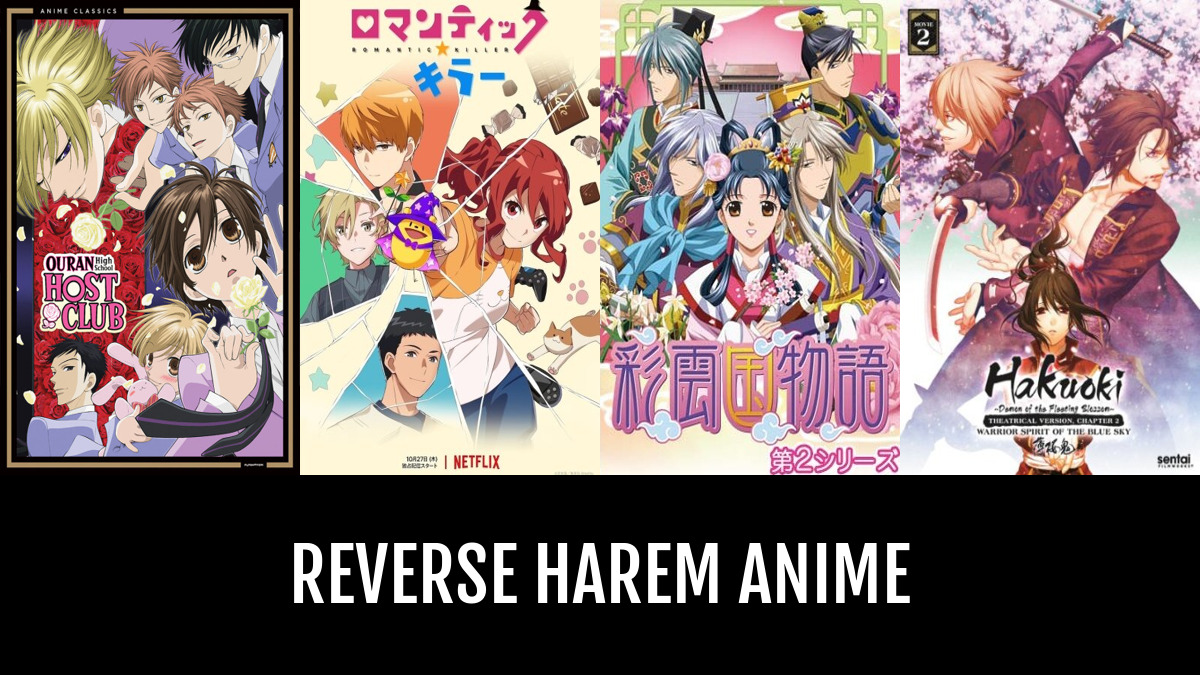
In the vast and colorful cosmos of anime, genre conventions often function as celestial bodies, each illuminating the night sky of storytelling with its unique light. Among these genres lies a peculiar and enchanting phenomenon known as reverse harem. This narrative structure has garnered attention and admiration, captivating the hearts of viewers and viewers alike who revel in its exploration of romantic entanglements.
But what exactly does “reverse harem” mean? In essence, a reverse harem depicts a central female protagonist who finds herself surrounded by multiple male suitors, each vying for her affection. This dynamic subverts the traditional harem trope—wherein a singular male character is surrounded by female admirers—by placing the focus squarely on the woman at the center of the narrative. The term “reverse” aptly encapsulates this inversion, challenging conventional portrayals of gender roles and relationships within the anime realm.
The allure of reverse harem anime extends beyond mere romantic tension; it dives deep into the complexities of character relationships. These stories often highlight the intricacies of love, friendship, and desirability. The female protagonist, while navigating this labyrinth of suitors, engages in an evocative dance of emotions, discovering her own identity amidst the whirlwind of affection.
Consider the enchanting tapestry of human interaction, where each thread symbolizes a relationship. In reverse harem narratives, the female lead weaves a rich fabric, intertwined with various male characters, each offering a unique perspective on love and companionship. The interplay becomes a chaotic yet harmonious blend of personalities, creating an electrifying tension that propels the story forward.
One can liken the reverse harem to a blooming garden, where diverse flowers represent different facets of romance. Each male character serves as a distinct flower, contributing to the overall aesthetic and emotional harmony of the plot. In this garden of affection, viewers are invited to witness the growth of relationships, the seasonality of emotions, and the perpetual cycle of choice and consequence.
The primary appeal of reverse harem anime lies in its ability to resonate with the audience’s desire for connection. Much like a mirror reflecting the multifaceted nature of human relationships, these narratives allow viewers to explore the nuances of attraction, intimacy, and the often tumultuous journey of love. The female protagonist’s struggles and triumphs resonate deeply with many, as she oscillates between vulnerability and empowerment, ultimately asserting her own agency in the face of romantic pursuits.
Additionally, reverse harem stories often employ rich character development as a vehicle to engage viewers. Each male character typically embodies archetypes that are both familiar and compelling—from the brooding, mysterious type to the affable, friend-zoned companion. Through their diverse personalities, the male suitors:
- Provide differing insights into love and romance, revealing the complexities of relationships.
- Facilitate integral plot developments, as their individual arcs intertwine with that of the protagonist.
- Enhance the emotional depth of the story, compelling viewers to empathize with both the protagonist and her admirers.
The romantic tensions are not simply about whom the female character will ultimately choose; they also reflect the broader themes of self-discovery and personal growth. The journey is akin to navigating a labyrinth, with each turn revealing aspects of her identity and desires. In confronting each suitor’s feelings, she learns not just about them, but also about herself, her wants, and her needs.
Another striking feature of reverse harem anime is its potential for humor and lightheartedness, balanced against the backdrop of romantic stakes. The interactions between the characters often lead to comedic scenarios, misunderstandings, and playful banter, encapsulating the whimsical nature of love. This juxtaposition of humor and romance adds layers to the narrative, allowing it to remain engaging and relatable while addressing serious emotions.
Moreover, reverse harem anime frequently delves into themes of friendship and loyalty. As the female lead navigates her relationships, the delicate balance of affections often leads to conflicts and rivalries among the suitors. These quarrels not only serve to heighten the drama but also illuminate the significance of camaraderie and trust in the face of romantic rivalry. In this way, reverse harem narratives transcend mere romantic entanglements, portraying a rich tableau of human emotions.
For those who appreciate intricate storytelling and character dynamics, reverse harem anime offers a nuanced exploration of the romantic landscape. It invites viewers to ponder questions of choice, agency, and the multifaceted nature of love. The enchanting allure of these tales lies in their ability to weave together threads of humor, drama, and self-exploration, culminating in an intricate narrative tapestry that captivates and resonates.
In the end, reverse harem anime stands as a testament to the whimsical and complex nature of relationships. While traditional harem genres often center around the predictable tension of a solitary male protagonist, the reverse harem flips the script, crafting a narrative that celebrates the multifaceted experience of love. With dazzling character dynamics and a rich emotional palette, these stories illuminate the unique appeal of romantic entanglements, inviting viewers to lose themselves in the enchanting dance of attraction.












