
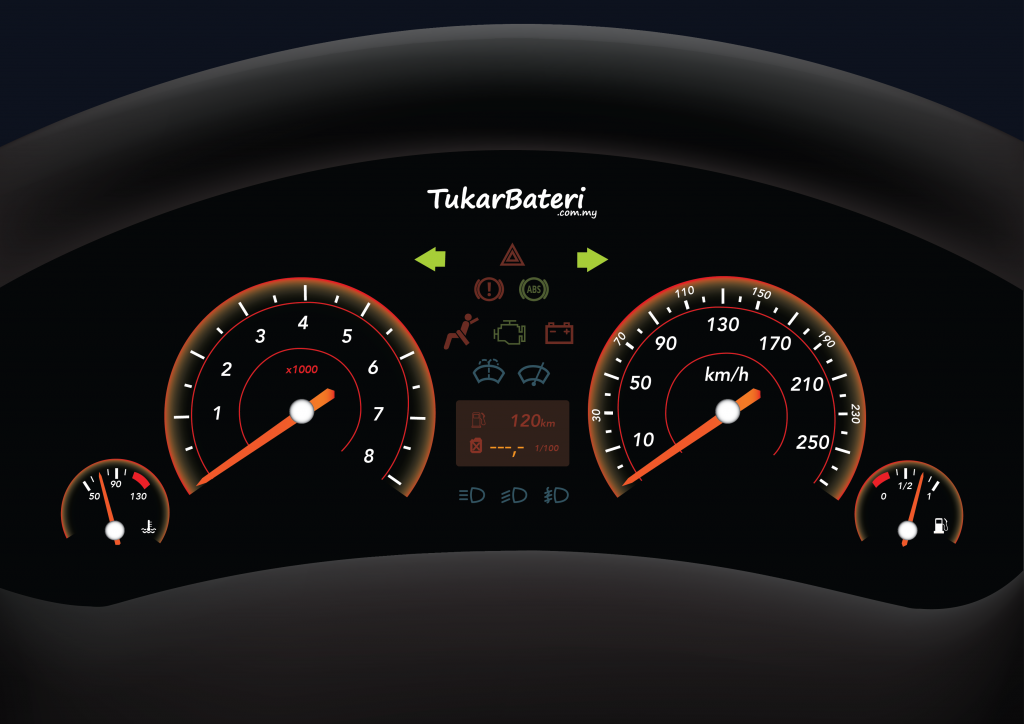
What does “DS” mean in the context of a car? This seemingly benign pair of letters can spark curiosity and confusion among automobile enthusiasts and casual drivers alike. Have you ever glanced at your dashboard and encountered an illuminated symbol or acronym that left you fazed? If so, fear not—let’s embark on an enlightening expedition through the intricacies of car dashboard indicators and related automotive terminology that may leave you scratching your head. As we delve into this topic, a challenge awaits: can you decipher the nuances of “DS” and its implications in your vehicle?
1. Understanding the Basics: Dashboard Symbols
Modern vehicles come equipped with sophisticated dashboard systems designed to convey essential information at a glance. Dashboard symbols, often cryptic in nature, denote a range of functionalities, from fuel levels to engine performance. These graphical indicators are pivotal in ensuring the safe operation of your vehicle. However, just as a constellation requires knowledge to interpret, so too does your car’s dashboard require insight to comprehend its visual language.
2. What Does “DS” Indicate?
In the automotive lexicon, “DS” can stand for several terms, primarily associated with the vehicle’s performance and functionality. One of the most recognized meanings is “Drive Sport,” which suggests that the vehicle is in a sport mode designed to enhance driving dynamics. In vehicles equipped with automatic transmissions, engaging this mode typically results in sharper throttle response and higher RPMs, providing a zippier, more engaging driving experience.
Alternatively, “DS” may also represent “Dynamic Stability.” This term relates to traction control systems designed to optimize traction while navigating varying road conditions. Understanding the precise connotation of “DS” can make all the difference in how one interacts with the vehicle’s performance capabilities.
3. The Significance of Drive Sport Mode
When the “DS” indicator lights up on your dashboard, it beckons you to embrace a more spirited driving experience. For the performance enthusiasts, activating Drive Sport involves a neural connection between driver and machine, fostering a connection akin to a dancer’s grace on stage. But what does this mean for everyday driving?
When you switch to Drive Sport mode, various parameters adjust to suit a more aggressive driving style. The transmission may hold gears longer before shifting, allowing for more fruitfully traversing the power band. Moreover, throttle sensitivity increases, granting the driver enhanced responsiveness during acceleration. However, it’s essential to remember that while this mode unlocks your vehicle’s potential, it may come at the expense of fuel economy.
4. The Role of Dynamic Stability
On the flip side, the “DS” indicator can signify Dynamic Stability, a system designed to ensure your vehicle maintains traction by monitoring wheel speed and pertinent vehicle dynamics. It’s a safeguard for navigating slippery or unpredictable road conditions. And let’s face it—rainy commutes or icy roads can turn even the most mundane trip into a nail-biting venture. Here, knowing the importance of “DS” allows drivers to navigate perilous terrains with assurance.
5. Common Scenarios and Misconceptions
Many drivers grapple with the meaning of dashboard indicators, leading to common misconceptions. It’s crucial to note that the interpretation of “DS” can vary depending on the make and model of the vehicle. For instance, what “DS” represents in a sporty coupe may differ in a luxury sedan. Therefore, consulting the owner’s manual or a trusted mechanic can illuminate your understanding and ensure optimal vehicle operation.
6. Taking Proactive Measures
Rather than waiting for your dashboard to illuminate the “DS” symbol, proactive measures can enhance your driving experience. Engaging in regular vehicle maintenance, understanding your car’s features, and honing your driving skills can provide a transformative effect on how you utilize your vehicle’s capabilities.
Often, understanding your vehicle extends beyond mere symbols; it involves a holistic approach. Have you ever explored your car’s settings? Some vehicles allow drivers to customize performance profiles, adapting various functionalities to match specific driving tastes. This engagement can contextualize “DS” in a way that becomes intuitive.
7. Why Knowledge is Power
In an age where technology pervades every facet of life, staying informed about your vehicle’s features can significantly enhance your driving experience. Knowing what the “DS” indicator signifies allows you to optimize performance when necessary and harness control in unpredictable conditions, thereby merging safety with enjoyment. So, the next time your dashboard beckons with acronyms or symbols, take a moment to decipher their meaning. Can you conquer the challenge of fully understanding your vehicle?
8. Conclusion: Empowering Your Driving Journey
The relationship you cultivate with your vehicle is intricate and well worth the effort. Understanding terms like “DS” paves the way for greater engagement with your car and can transform the mundane act of driving into a thrill ride of exploration. Embrace your vehicle’s nuances—both minor and significant—and revel in the excitement of knowing exactly what your dashboard is telling you. Your journey, after all, is as rich and rewarding as your understanding of the road ahead.












