
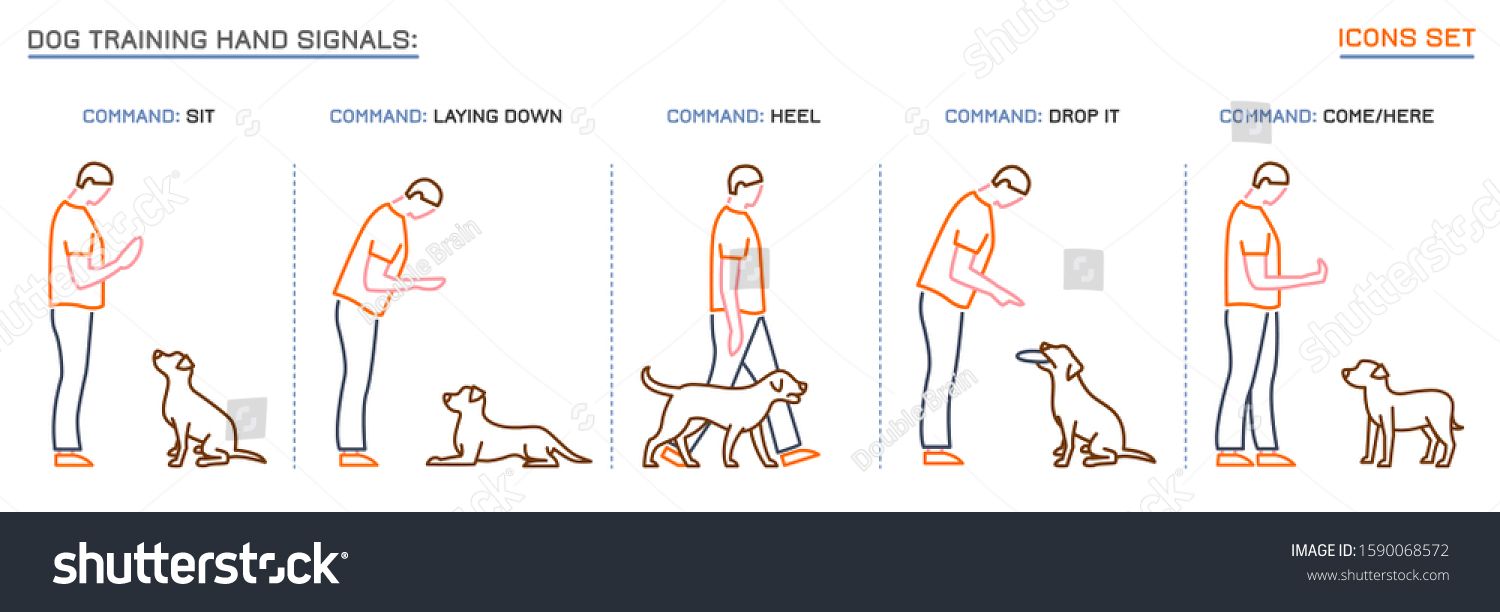
Have you ever noticed how dogs can seem to possess an innate sense of communication? Their wagging tails, expressive eyes, and playful antics tell us a lot, but when it comes to training, the subtlety of their behavior takes on an entirely new dimension. Among the pantheon of commands that dog owners can teach, the often misunderstood command “heel” stands as a crucial pillar in the language of canine communication. But what does “heel” truly mean for a dog, and why is mastering this command imperative for both the dog and its owner? Let’s embark on a journey to demystify this essential command.
At its core, the command “heel” instructs a dog to walk closely beside its owner, typically on the left side. This ensures that the dog maintains an attentive posture, watching for cues while moving in unison with the handler. But why is this significant? Imagine taking a leisurely stroll through a crowded park. A dog that heels well ensures that both owner and pet can navigate through the bustling environment without bumping into obstacles or other passersby. It fosters a harmonious relationship that enhances both safety and interaction in everyday situations.
One might ask, however: does every dog automatically know how to heel? Unfortunately, the answer is a resounding no. Instinctive behavior may guide dogs, but formalized training sessions are necessary to instill the meaning of this command. Dogs, like humans, often test boundaries and need reinforcement to understand the nuances of leash manners. The challenge here lies in the fact that different breeds may require varying techniques to achieve the desired response. For instance, a high-energy breed like a Border Collie may exhibit a propensity for bolting ahead, while a small breed like a Dachshund might lag behind or become easily distracted.
But how do we initiate the training process? To effectively teach the heel command, it is essential to establish a positive atmosphere. The first step generally involves getting the dog accustomed to the collar and leash. This allows them to associate the equipment with playtime and leisure. Equally important is to have an ample supply of treats or toys at your disposal. Everything becomes easier when your dog is motivated!
Next, select a suitable environment for your training. A quiet space devoid of distractions is ideal; a backyard or an empty park can work wonders. Start by using a short leash and position your dog at your left side. Use cheerful commands and lead with your left foot while simultaneously encouraging your dog to follow. This can be done with a simple yet effective cue: “Heel!” At this juncture, if your canine companion loses focus, gently guide them back into position. Your demeanor should remain patient and encouraging; frustration on the handler’s part can lead to negative associations with the command.
As training progresses, it’s vital to reinforce positive behavior. Whenever the dog walks loyally at your side, shower them with affection and treats. The more frequently this bond of trust and reward is established, the more naturally the dog will respond to the cue over time. Consistency remains the linchpin of the training process. Regular practice not only reinforces the command but also solidifies the importance of teamwork between canine and owner.
One common roadblock many trainers face is the tendency of a dog to tug or pull on the leash. This behavior can be both frustrating and unsafe, especially in crowded environments. To counteract this, practice ‘stop and go’ techniques. If at any moment your dog starts pulling, come to a halt. Wait patiently until there’s slack in the leash before continuing. This helps the animal understand that pulling only interrupts the flow of the walk. Over time, they will learn that walking calmly benefits both parties.
As we delve deeper into the canine psyche, it becomes clear that the heel command isn’t just a mundane trick; it embodies respect and attentiveness in the dog-owner relationship. Yet, achieving a compact partnership through this command doesn’t come without its challenges. Every dog is unique, and as such, their individual responses to training will vary. If a particular method proves ineffective, be agile enough to adapt your approach. Perhaps your fluffy friend flourishes with shorter training sessions or requires different rewards. Observe and adjust accordingly.
Alongside the basic heel command, many trainers advocate introducing variations to keep the process engaging. As proficiency increases, you may consider adding distractions—such as practicing in a busier environment or incorporating sudden stops. Each successive challenge is an opportunity for your dog to further internalize the command while learning to focus on you amidst distractions.
Ultimately, mastering the command “heel” is more than a simple exercise in obedience; it symbolizes trust, mutual respect, and harmonious coexistence with your canine companion. Each step taken together fosters a deeper bond that enriches both your lives. With patience and perseverance, the seemingly daunting task of teaching your dog to heel can evolve into a delightful journey filled with enjoyment and accomplishment. So, are you ready to lace up your shoes, grab a leash, and step into the intriguing world of canine communication? Happiness and adventure await!












