
In the intricate web of electoral participation, understanding voter registration is pivotal. Among the myriad statuses that one’s voter registration can hold, **inactive voter status** stands out as a particular concern for individuals and officials alike. This designation is more than just a label; it possesses substantial implications for electoral engagement and civic duty. In this exploration, we aim to unpack what inactive voter status truly means, the factors contributing to it, and its broader implications on the electoral landscape.
Understanding Voter Registration Status
At its core, voter registration serves as a foundational element of democracy, providing the means for citizens to participate in the electoral process. Each voter falls into one of several categories—active, inactive, or unregistered—each signifying a different level of engagement and eligibility. Active voters are those who have confirmed their registration and are eligible to participate in elections, while inactive voters may face potential disenfranchisement. The nuances of these classifications can be bewildering, yet they are essential to grasping the full scope of electoral dynamics.
What Constitutes Inactive Voter Status?
Inactive voter status arises under specific circumstances, typically revolving around communication lapses or unverified changes in residential status. A voter may be labeled inactive for reasons such as failing to respond to confirmation notices, not voting in recent elections, or having an address change that remains unreported. Thus, despite initially being registered, these individuals may encounter barriers when attempting to exercise their right to vote.
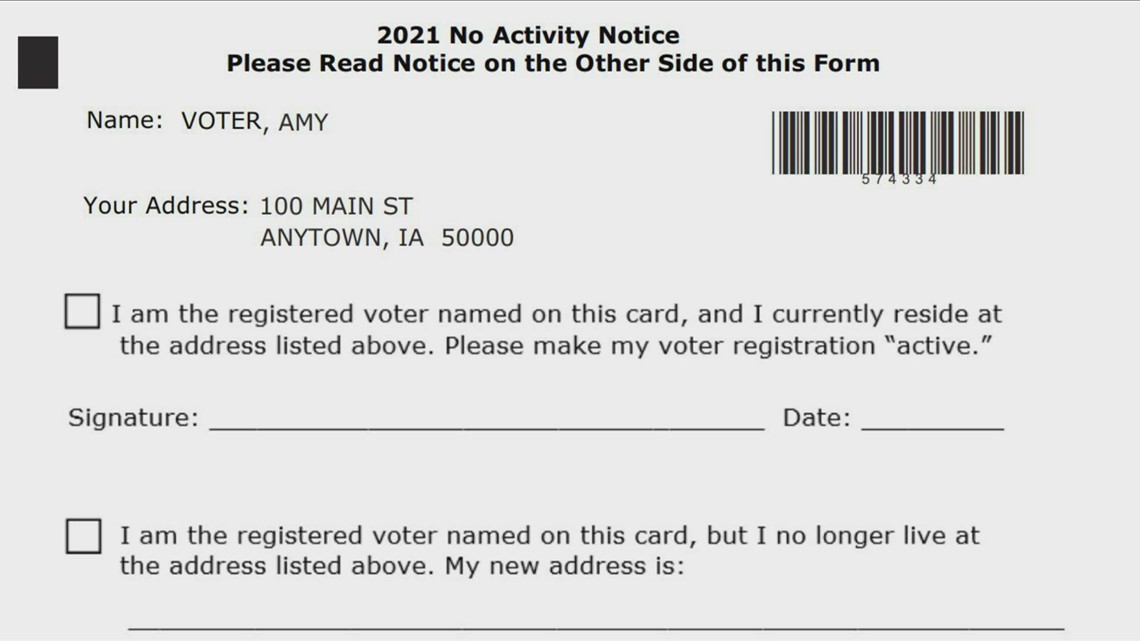
States are often required to send confirmation notices to individuals listed as inactive. If the voter fails to respond or has not updated their information, they may be purged from the voter rolls altogether, a potentially detrimental consequence of misunderstanding the implications of inactivity.
The Ripple Effect of Inactive Status
What distinguishes inactive voter status from mere neglect is its cascading impact on broader electoral processes. A decline in active voters translates to diminished participation rates, which can skew election outcomes and diminish the representational accuracy of elected officials. This phenomenon raises an important question: What does it mean for democracy when a significant portion of the electorate is rendered inactive?
Moreover, the implications extend beyond immediate voting capability. Political entities, candidates, and civic organizations may misconstrue the interests or opinions of the electorate based on incomplete data regarding inactive voters. Consequently, this could lead to policies and campaigns that do not resonate with the true desires and needs of the populace.
Factors Leading to Inactive Status
The reasons contributing to an inactive status are multifaceted. Often, individuals may move without notifying electoral offices. Life changes—such as marriage, divorce, or relocation—can disrupt one’s registration status. Furthermore, demographic shifts, particularly among younger populations, reveal a disconcerting trend: many millennials and Gen Z voters disengage without fully comprehending the significance of maintaining an active status.
Additionally, systemic barriers, such as complicated registration processes or inconsistent state laws, can inadvertently contribute to a rise in inactive voters. The maze of requirements can confuse even the most determined voters, leaving them disheartened and disengaged when faced with the intricacies of the electoral system. This underscores a critical point: simplifying and modernizing voter registration could dramatically alter these statistics.
The Path from Inactive to Active
For those who find themselves with an inactive voter status, the path back to active participation involves a proactive pursuit of information. Knowing the state-specific requirements and understanding how to respond to confirmation notices are crucial steps. Voters must take the initiative to verify their registration status, making necessary updates and engaging with their local election office. The advent of online voter registration and tools that simplify the process have made it easier than ever to reactivate one’s voting eligibility.
Periodic outreach programs aimed at educating the public about maintaining active status can significantly mitigate the risks of falling into inactivity. Civic organizations play a vital role in these efforts, conducting workshops and campaigns that emphasize the importance of staying informed and engaged in the electoral process.
The Broader Electoral Implications
The phenomenon of inactive voters reveals cracks within the electoral system that merit careful scrutiny. If a considerable number of citizens remain unengaged due to inaccessibility or misinformation, the very foundation of a healthy democracy is at stake. As many argue, active civic participation should not merely be a privilege for the select few but a right universally accessible to all.
As policymakers and civic leaders grapple with these challenges, addressing the root causes of inactive voter status could yield a more reflective and representative democracy. By prioritizing outreach, education, and simplification of voter registration processes, the door can open for broader participation, ultimately enriching the electoral tapestry of the nation.
Conclusion: Rejuvenating Voter Engagement
In summation, the concept of inactive voter status is intrinsically tied to the very health of democratic systems. By engaging in a thorough understanding of what this designation entails, voters can reclaim their roles as active participants within the society. With education and awareness, the fabrication of an inclusive electoral landscape is not just a distant aspiration but an attainable goal. The collective journey toward a rejuvenated electorate begins with each individual acknowledging their role in shaping the civic narrative of their community.












