
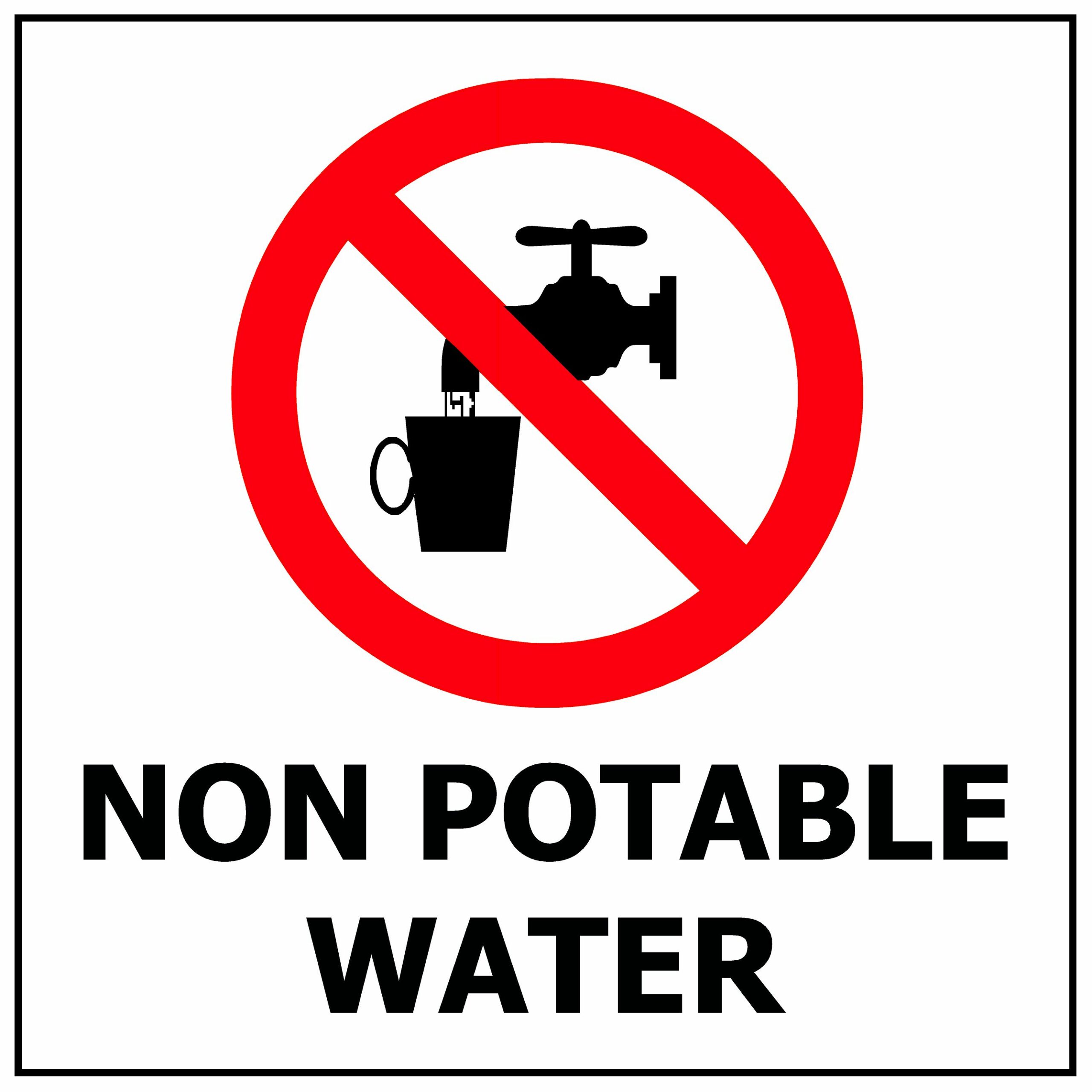
Water, the essence of life, is often taken for granted. It flows freely in our taps and refreshes our bodies, but lurking beneath its transparent surface lies a deeper truth: not all water is created equal. Enter the realm of non-potable water—a category that often goes unnoticed yet is crucial for understanding water safety. Just as a vibrant garden requires careful nurturing, our understanding of water hygiene requires vigilance and education.
Defining Non-Potable Water
Non-potable water refers to water that is unsuitable for drinking and human consumption. This designation can encompass various sources, including wastewater, stormwater, and even certain untreated freshwater bodies. Picture a pristine lake: its beauty is undeniable, but one sip could lead to a cascade of gastrointestinal troubles. Non-potable water may appear clean, yet appearances can be deceiving.
When we think of non-potable water, it’s helpful to visualize it as a forbidden fruit—attractive and abundant, yet fraught with peril. It may serve numerous essential functions, such as irrigation, toilet flushing, and industrial processes. However, much like an alluring mirage in a desert, its use must be navigated with caution.
The Importance of Distinction
Understanding the difference between potable and non-potable water is not merely an academic exercise; it has profound implications for public health and environmental safety. Potable water is treated, filtered, and monitored to meet stringent quality standards, while non-potable water often contains harmful microorganisms, chemicals, and pollutants.
Analogous to the difference between a cultivated garden and a wild thicket, potable water is cultivated through rigorous processes to ensure safety, while non-potable sources may thrive unchecked and unpredictable. The distinction beckons communities to prioritize their health and safety through informed choices and practices.
Sources of Non-Potable Water
Non-potable water can originate from various sources, each with its own set of characteristics and potential hazards. Here are some common sources:
- Wastewater: Water that has been used in homes, industries, or businesses, containing contaminants such as soaps, food residue, and chemicals. This category often requires extensive treatment before it can be considered safe for reuse.
- Stormwater: Rain and melted snow runoff that may carry debris, pollutants, and toxins from urban surfaces before flowing into waterways—much like a treacherous current hiding under the surface of a calm stream.
- Graywater: Water from sinks, showers, and washing machines, which may contain organic matter but is generally less contaminated than blackwater (wastewater from toilets). It can be reused for irrigation or toilet flushing, but care must be taken to ensure it is properly managed.
- Irrigation Water: Water drawn from surface bodies or groundwater for agricultural purposes, which may not meet drinking water standards yet supports the growth of crops. Understanding its source and quality is essential to safeguard food safety.
Health Risks Associated with Non-Potable Water
Just as a beautiful façade can mask structural damage, non-potable water can harbor significant health risks. The presence of pathogens—bacteria, viruses, and parasites—can lead to serious health issues ranging from gastroenteritis to more severe infections. According to the World Health Organization, millions of people suffer from waterborne diseases every year due to contaminated water sources.
In the same vein, chemical contaminants such as heavy metals and pesticides can infiltrate non-potable water supplies, posing long-term health risks. The cumulative effects of exposure to these toxins are akin to slowly insidious vines wrapping around the roots of a healthy tree, eventually compromising its strength. Understanding these risks is paramount for individuals and communities alike.
Safety Rules for Managing Non-Potable Water
To navigate the waters of non-potable management, several safety rules can be implemented:
- Labeling: Consistent and clear labeling of non-potable water sources is vital. Just as red flags signal caution, visible indicators help prevent accidental cross-contamination with potable water.
- Public Awareness: Engaging communities through educational campaigns about the risks and safe uses of non-potable water can elevate awareness; a well-informed populace acts as a formidable barrier against waterborne diseases.
- Dedicated Systems: Installing dedicated plumbing systems designed for non-potable water use minimizes the risk of accidental ingestion. These systems should be distinctly colored and separate from potable lines.
- Regular Testing: Continuous monitoring and testing ensure that non-potable water sources are safe for their intended uses. Much like a ship navigating treacherous waters, regular assessments can mitigate unforeseen dangers.
Conclusion: Navigating the Waters of Safety
When we acknowledge the existence and implications of non-potable water, we embrace our role as stewards of health—both our own and that of the environment. In an era where every droplet counts, understanding how to manage non-potable water is not just essential; it is imperative. Just as a lighthouse guides vessels safely to shore, knowledge illuminates the path towards safe water practices. By remaining vigilant and educated, we can navigate this intricate web of water usage, ensuring that every splash of liquid we encounter is as safe as it is refreshing.












