
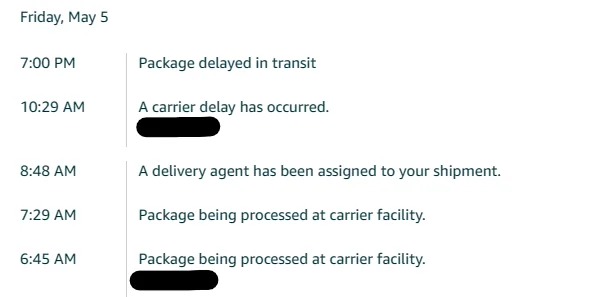
Understanding Package Delays
In the realm of online shopping, the anticipation of receiving a parcel can often be met with an unexpected hiccup: a delay in transit. Navigating the intricacies of shipping updates can be perplexing for even the most seasoned consumers. What does it truly mean when a package is reported as “delayed in transit”? This guide seeks to elucidate the myriad facets of shipping updates, shedding light on the reasons behind such delays and offering clarity to those waiting for their cherished deliveries.
The Meaning of “Delayed in Transit”
When a package is classified as “delayed in transit,” it indicates that the shipment is currently experiencing an interruption in its journey from the sender to the recipient. This delay can arise from various factors, including logistical challenges, weather conditions, or issues at a sorting facility. Understanding the specific reasons behind such delays can help mitigate frustration and prepare recipients for potential adjustments in delivery expectations.
Common Reasons for Package Delays
Several common culprits contribute to packages being delayed during transit:
- Weather Conditions: Inclement weather, such as heavy rain, snowstorms, or hurricanes, can severely hinder the movement of delivery vehicles. Adverse conditions may necessitate rerouting or postponing shipments for safety reasons.
- Logistical Challenges: Freight carriers, especially during peak seasons like holidays, may face overwhelming volumes of packages, leading to congestion in distribution centers. Backlogs can cause cascading delays in delivery schedules.
- Incorrect or Incomplete Address: A minor error in the shipping address can lead to significant delays. If a delivery driver cannot locate the destination, the package may be returned or rerouted, adding to transit time.
- Customs Delays: For international shipments, packages may be delayed in customs as they undergo inspections. Issues with paperwork or duties can further extend transit times.
- Operational Issues: Unexpected problems such as vehicle breakdowns, labor disputes, or technical malfunctions at sorting facilities can also contribute to delays. These factors can be unpredictable and vary widely in impact.
Impact of Delays on Delivery Times
When delays occur, they can significantly affect the expected delivery timeline. Most shipping companies provide estimated delivery windows, and a delay can render those estimates unreliable. Customers may experience frustration as they monitor updates, hoping for timely resolution. This uncertainty can also disrupt plans, particularly for time-sensitive deliveries such as gifts or essential items.
What to Expect from Shipping Updates
Upon a package being designated as “delayed in transit,” shipping carriers typically issue updates via tracking systems. These updates may include:
- Current Status: Alongside the alert that a package is delayed, tracking systems often indicate the last known location of the package. This transparency can help customers gauge the situation.
- Estimated Resolved Date: While not always guaranteed, many carriers provide an updated estimated delivery date. However, it’s crucial to approach these dates with cautious optimism.
- Reason for Delay: Some shipments may feature a brief explanation of the reason behind the delay, allowing recipients to understand the context better.
These updates often vary in frequency and detail based on the carrier’s policies. For many, the key to handling delays lies in understanding that they are unfortunately an integral part of the shipping process.
Steps to Take When a Package Is Delayed
Receiving news of a delayed package can elicit anxiety, but there are constructive steps to take when faced with this situation:
- Stay Informed: Regularly check the tracking information for updates. Many shipping companies have mobile apps that facilitate immediate access to tracking data.
- Contact Customer Service: If the delay persists without updates, reaching out to customer service can provide clarity and potential resolutions. They may offer insight into alternative options or compensation.
- Plan for Contingencies: If the item is needed urgently, consider alternative solutions while awaiting delivery, such as procuring a temporary replacement from a local store.
- Practice Patience: Recognizing the unexpected nature of delays can foster patience. Implementing coping strategies to manage anxiety while waiting can ease the emotional burden.
Advice for Preventing Future Delays
While not every delay can be predicted or prevented, there are proactive measures that consumers can adopt when placing orders:
- Double-Check Delivery Information: Ensure accuracy in the shipping address and contact details to minimize the risk of misrouting.
- Choose Reliable Carriers: Opt for well-reviewed shipping providers that are known for their efficiency and timeliness.
- Order Early: Allow ample time for deliveries, especially during peak seasons or when ordering items that are critical.
Conclusion: Embracing the Uncertainty of Shipping
Understanding what “delayed in transit” means can transform the daunting experience of package delays into a more manageable one. Recognition of the factors that contribute to such disruptions, combined with an awareness of how to navigate shipping updates, empowers consumers. Though the anticipation of waiting can be frustrating, patience and proactive measures can alleviate some of the anxiety associated with the shipping process. In the ever-evolving world of e-commerce, being well-informed is the best tool in ensuring a seamless shopping experience.












