
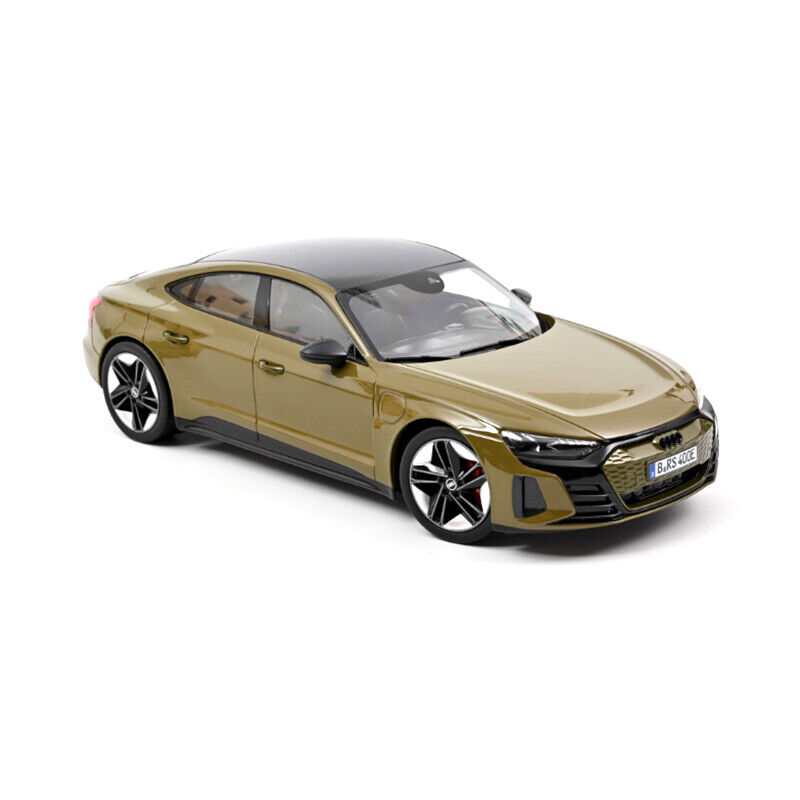
The automotive landscape has long been a canvas painted with acronyms and nomenclature that can baffle even the most seasoned enthusiasts. Among these abbreviations, “RS” stands out prominently, invoking a sense of intrigue for many car aficionados. But what does RS mean on a car? The term, initially birthed from the racing sphere, has transcended its origins to become synonymous with performance, style, and exclusivity in various automotive lineups. This article delves into the captivating world of trim levels dominated by the RS designation, highlighting what it represents and why it matters to discerning drivers.
To understand the RS designation, one must first grasp its lineage. “RS” typically denotes “Rally Sport” in many automotive brands, with roots tracing back to models engineered for rallying competitions. This nomenclature, however, is not a one-size-fits-all; its interpretation varies across manufacturers, adapting to their own performance philosophies and branding aspirations. Within the realm of car trims, RS trim levels are often bestowed upon vehicles that exhibit enhanced features, sportier design elements, and more potent powertrains compared to their standard iterations.
Take, for example, the Ford lineup. The revered Ford Mustang RS, an emblem of American muscle, promises adrenaline-infused driving experiences. This model often comes equipped with robust engines, upgraded suspensions, and aesthetic tweaks that include unique badging and aggressive styling to underscore its performance capabilities. Here, RS is not merely a badge but a testament to the engineering excellence that forges the bond between man and machine.
In the realm of General Motors, the RS designation carries its own nuances. Brands such as Chevrolet have adopted the RS label to signify models like the Camaro RS, which boasts refined aesthetics as well as enhanced technological features. The exterior differentiations may include special wheels, distinctive grilles, and exclusive color options, while interiors often witness an infusion of comfort and tech advancements. Thus, the RS trim emerges as a purveyor of not only raw power but also an elevated standard of luxury and technological integration.
The allure of the RS trim level is not confined to the performance capabilities. Buyers are increasingly drawn to these models for the emotional resonance they encapsulate. There exists a palpable distinction, a narrative woven into the fabric of the RS badge that exudes exclusivity. When behind the wheel of an RS model, drivers often feel an exhilarating connection, an audacious commitment to performance that permeates through the vehicle’s DNA. This sentiment is magnified by the aesthetic enhancements: sleek lines, aggressive stance, and vibrant color palettes designed to turn heads and ignite conversations.
Moreover, a shift in consumer preference is evident in recent years. As society becomes increasingly aware of sustainable transportation, certain manufacturers have adapted the RS designation to align with eco-friendly advancements. For instance, hybrids and electric vehicles may sport the RS label, showcasing that performance can harmoniously coexist with environmental responsibility. Such adaptations signal a progressive movement within the automotive world, emphasizing that RS is not merely a metric of power but one that can embrace modern innovations in efficiency.
The RS badge also engenders a spirit of community among enthusiasts. Owners often form passionate collectives, exchanging advice on modifications, sharing experiences on the track, or rallying at events dedicated to celebrating high-performance vehicles. This camaraderie, fostered through a shared appreciation for the RS designation, transforms a mere vehicle into a symbol of collective aspiration and identity.
Furthermore, it’s essential to contextualize the RS trim level within the broader automotive hierarchy. Typically, cars featuring the RS designation occupy a space above standard trims but may not always compete with the top-tier performance variants. This positioning allows the RS models to appeal to a diverse audience—those seeking thrill without necessarily plunging into the exclusivity of gargantuan performance brands. For many, the RS offers a sweet spot in terms of budget, performance, and daily usability.
Moreover, their popularity has led to collaborations between automakers and aftermarket professionals, resulting in bespoke tuning options that further amplify their performance, styling, and overall driving experience. The aftermarket community thrives on the RS narrative, with enthusiasts eager to personalize their vehicles, thereby solidifying the cultural stature of the RS badge.
Some carmakers, however, have faced criticism regarding the authenticity of their RS offerings. Detractors argue that some vehicles flaunting the RS moniker may not embody the performance pedigree or racetrack readiness associated with the original concept. Instead, they question whether it is an arbitrary marketing maneuver aimed at capitalizing on the allure of performance-oriented branding. This raises a pivotal question: What does it truly mean for a vehicle to earn the RS badge?
In conclusion, the RS designation serves as both a badge of honor and a harbinger of performance-driven aspirations. To understand what RS means on a car encapsulates more than just an acronym; it embodies a lifestyle, a community, and a relentless pursuit of automotive excellence. Whether you find yourself enamored by engineering precision or swept up in the romanticism of rally sport heritage, the RS trim levels invite drivers into a world where passion melds seamlessly with performance. As the automotive industry continues to innovate and evolve, one thing remains clear: driving an RS-badged vehicle is truly an experience like no other, promising excitement with every turn of the wheel.












