
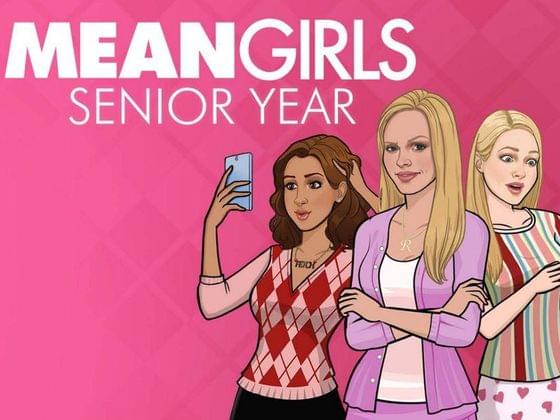
The world of “Mean Girls,” a cultural touchstone that effortlessly intertwines humor with incisive social commentary, offers an alluring tableau of personalities. Each character radiates distinctive traits that mirror the complexities of adolescent life, from the formidable Plastics to the endearing and earnest outsiders. Thus, the question arises: What Mean Girls character are you? Through a keen lens on personality nuances, this exploration delineates the quintessence of iconic figures within the film and unravels the metaphorical tapestry of their lives.
The Queen Bee: Regina George
Regina George epitomizes the archetype of the queen bee. With her commanding presence and ruthless ambition, she embodies the glamorous yet perilous world of high school hierarchy. Regina’s charisma is akin to a double-edged sword—while it attracts followers like moths to a flame, it also incites fear and resentment. Navigating her realm with surgical precision, she strategically wields her influence. Yet, beneath the polished exterior lies a profound vulnerability, suggesting that even those at the top pay a hefty price. Her journey evokes the metaphor of a gilded cage; ensnared by others’ perceptions, she grapples with the isolation inherent in leadership.
The Loyal Sidekick: Gretchen Wieners
If Regina is the nucleus, then Gretchen Wieners represents the orbiting planets—her loyalty unwavering, her identity often subsumed. Paradoxically, Gretchen’s desire for acceptance fuels her co-dependence on Regina, casting her as a quintessential enabler. She mirrors the concept of a chameleon, adjusting her colors to fit the dominant social landscape. Yet, this adaptability can lead to a crisis of self. The fear of rejection looms large, and in striving for validation, she neglects her own aspirations. As she learns to assert her voice, Gretchen illuminates the resilience embedded in vulnerability. This metamorphosis reveals that authenticity often emerges from the ashes of self-doubt.
The Free Spirit: Cady Heron
Cady Heron, the film’s protagonist, embarks on a quest of self-discovery akin to an odyssey through uncharted waters. Having been raised in the insulated world of African safaris, her transition into the competitive environment of an American high school is nothing short of bewildering. Cady’s naivety serves as both her strength and Achilles’ heel, illustrating the duality of innocence. She quickly becomes embroiled in the labyrinthine politics of the Plastics, yet her inherent kindness distinguishes her. Like a wildflower breaking through the concrete, Cady’s journey embodies the struggle to remain grounded amidst external chaos. Ultimately, her metamorphosis from a girl rooted in her values to a “Plastic” unfolds a vital lesson: authenticity triumphs over conformity.
The Rebel: Janice Ian
Janice Ian emerges as the quintessential misfit with an unapologetic defiance against societal norms. With her punk-rock aesthetic and sharp wit, she channels the spirit of rebellion, providing a counterbalance to the polished world of the Plastics. Janice’s incisive observations cut through the superficial veneer of high school dynamics, imbuing her character with a profundity that resonates deeply. She serves as a catalyst for Cady’s transformation, encouraging her to question the established order. Armed with the tenacity of a warrior, Janice navigates the treacherous landscape of adolescence with an authenticity that is both refreshing and fearless. Her journey underscores the significance of embracing one’s individuality in a world that often stifles it.
The Conscience: Damian Leigh
As the wittiest of sidekicks, Damian Leigh embodies the essence of compassion wrapped in humor. He provides a safe harbor amid tempestuous social winds, often serving as a sounding board for Cady’s dilemmas. Damian’s flamboyance and self-assuredness radiate resilience, challenging stereotypes and defying convention. Much like a lighthouse guiding ships through a storm, his presence provides clarity and perspective. He highlights the value of loyalty and friendship, revealing that true strength lies in embracing one’s unique identity. Through his lens, we see that vulnerability can coalesce with courage, crafting a narrative that celebrates diversity and authenticity.
The Overachiever: Karen Smith
Karen Smith, while often viewed through a lens of comedic naïveté, represents the optimistic spirit that pervades the narrative. With her bubbly demeanor and earnest simplicity, she is a testament to the power of kindness. Karen’s endearing but often misguided attempts to navigate social intricacies showcase her innocence. While she may lack the cunning of her peers, her emotional intelligence serves as a reminder that intellectual prowess comes in many forms. As her character evolves, she unveils layers of depth that challenge preconceived notions of “dumb blonde” tropes. In this creation, Karen becomes a beacon of empathy, illustrating that understanding can be as potent as wit.
Conclusion: The Reflective Mirror
As viewers reflect upon the characters of “Mean Girls,” it becomes clear that each individual is an embodiment of specific traits that traverse the spectrum of human experience. They serve as mirrors reflecting our own complexities, illustrating that beneath the social facades lies a rich tapestry of insecurities, aspirations, and growth. The question of which Mean Girls character one resembles transcends mere fun; it beckons deeper introspection into one’s identity and relationships. Thus, as you ponder your place within this iconic narrative, remember that the most compelling journeys often lead us back to our authentic selves, amid the clamor of conformity.












