
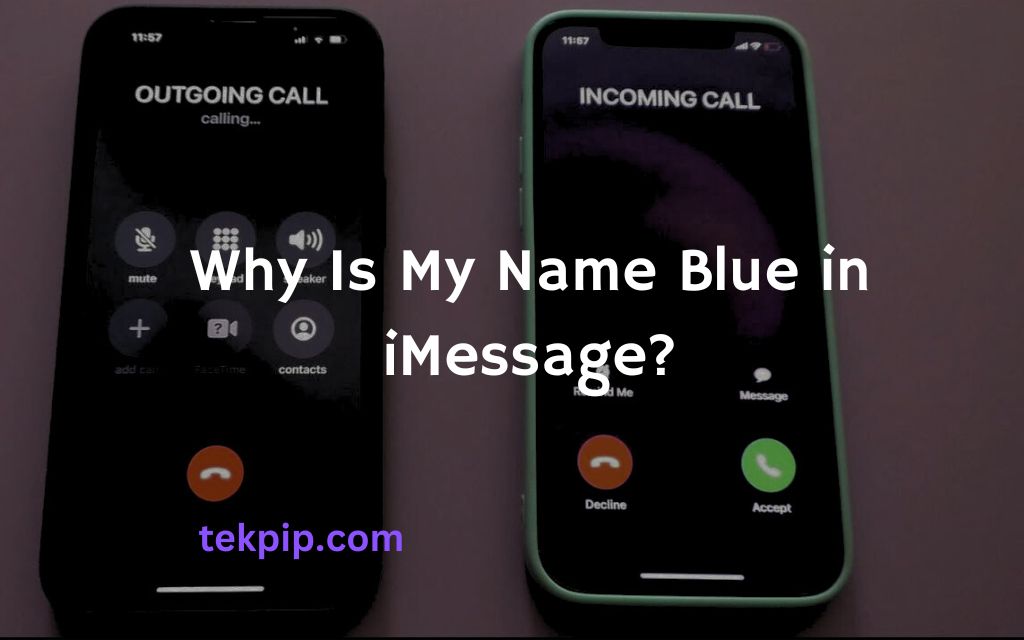
In our increasingly interconnected world, the act of making a phone call has transcended mere communication; it has morphed into a complex interaction laden with nuances. One such aspect that often engenders confusion is the term “outgoing call.” This phrase, representing perhaps one of the most fundamental features of telephony, encompasses various dimensions of functionality and user experience. In this comprehensive examination, we will dissect the concept of outgoing calls, exploring their implications, the diverse scenarios in which they occur, and the technical parameters that underpin successful connectivity.
To begin with, an outgoing call signifies an attempt by a user to initiate contact with another party through a telecommunication network. When you dial a number, what unfolds is a sequence of meticulously orchestrated actions involving both hardware and software that ultimately connect two distinct devices. Understanding this process requires an appreciation for the technologies and systems that govern modern calling capabilities.
Let us delve deeper into the types of calls that may be classified as outgoing. Generally, we can identify two primary categories: traditional voice calls and digital VoIP calls. Traditional voice calls utilize circuit-switched technologies operating on Public Switched Telephone Networks (PSTN). This method establishes a direct path between the calling and receiving parties for the duration of the conversation. Conversely, Voice over Internet Protocol (VoIP) calls leverage internet connectivity, converting voice signals into data packets for transmission over the web. This distinction is crucial because it influences not only call quality but also the flexibility and functionality available to users.
Moreover, the context in which outgoing calls are made can greatly vary. From personal conversations with friends to critical business meetings, or emergency services requests, the purpose behind the call dictates the manner in which it is conducted. For instance, a personal outgoing call might warrant a casual tone and relaxed setting, while a business call necessitates a more formal and concise approach. Understanding the nuances of communication in different scenarios enhances the efficacy of outgoing calls.
In contemporary society, the proliferation of mobile technology has transformed the landscape of communication. Most outgoing calls are now made from smartphones, which integrate countless features to streamline the calling experience. Enhanced functionalities such as caller ID, voicemail, and call waiting play a pivotal role in how users interact during outgoing calls. For instance, when a user attempts to reach someone who is already on another call, the presence of call waiting allows the user to decide whether to proceed or await their turn.
Another aspect to consider is the emergence of additional services accompanying outgoing calls. These include conference calling, which allows multiple parties to engage simultaneously in a single conversation, and international dialing capabilities, which extend the boundaries of communication across the globe. The integration of these services provides users with tools to foster collaboration and maintain contact regardless of geographical limitations.
The intricacies of outgoing calls extend beyond simple connection; they also encompass the technical challenges that can arise during the calling process. For instance, the dreaded “call failed” message can evoke frustration among users. This message may emerge due to various factors: inadequate network coverage, device malfunctions, or restrictions implemented by service providers. Sometimes, users may discover that their outgoing calls are blocked or limited due to either their account status or specific security settings.
Furthermore, understanding the implications of network coverage on outgoing calls is paramount. The strength and quality of the signal can significantly affect the clarity and reliability of the call. In rural areas, for example, users often encounter connectivity issues that hinder their ability to place outgoing calls. Conversely, urban environments may offer robust coverage but introduce challenges related to network congestion, affecting call quality during peak usage times.
In the realm of outgoing calls, privacy and security considerations also warrant examination. With concerns over data breaches and unauthorized surveillance becoming increasingly prevalent, users have become more vigilant regarding their call security. Encryption technologies used in VoIP services, for instance, serve to safeguard conversations from eavesdropping. Users should remain cognizant of the means by which their calls are transmitted to ensure their communication remains confidential.
No discussion of outgoing calls would be complete without addressing the rise of messaging applications that facilitate voice calling alongside traditional telephony. Applications such as WhatsApp, Skype, and Zoom offer users diverse alternatives, often enhancing connectivity through instant messaging and video call capabilities. The blurring of lines between types of outgoing calls can lead to questions about the future of traditional telephony as users increasingly gravitate toward these multifunctional applications.
Overall, the landscape of outgoing calls is rich with complexity and depth. From the basic premise of initiating contact to the multifaceted applications and challenges posed by modern technology, outgoing calls embody the essence of communication in the 21st century. As users continue to navigate this intricate framework, staying informed about the different dimensions of outgoing calls will enhance their experiences and optimize their interactions across various platforms.
In concluding, whether they are utilized for personal communications or professional engagements, understanding the nuances behind outgoing calls can empower users to utilize technology effectively. Grasping the terminology, recognizing the impact of technology, and embracing emergent modes of communication will undoubtedly enrich the tapestry of human interaction in an increasingly digital age.











