
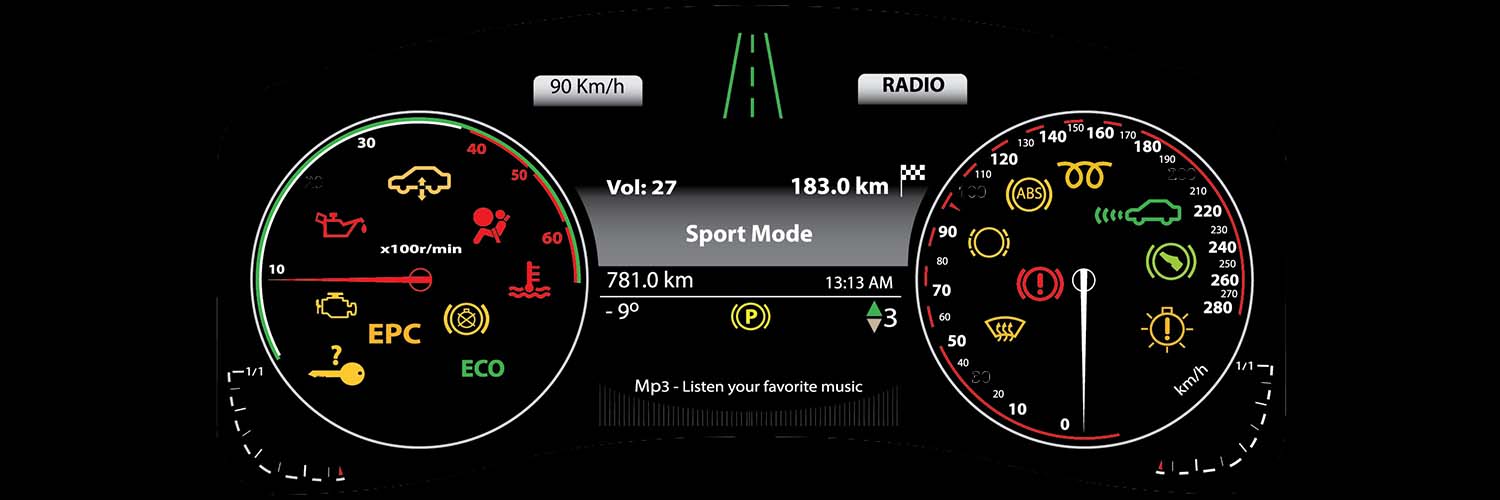
Driving a Volkswagen is often synonymous with a blend of performance, reliability, and cutting-edge technology. However, there can be moments of trepidation when a warning light illuminates the dashboard. Among these signals, the EPC light can induce particular concern for many motorists. Understanding the nuances of the EPC light is crucial for any owner wanting to maintain their vehicle’s optimal performance and safety.
What is the EPC Light?
The Engine Power Control (EPC) light is an integral warning indicator found on many Volkswagen models. A orange or yellow icon depicting a car with a key symbol or a wrench can suddenly appear on the display. This visually striking signal serves as a harbinger of potential malfunctions relating to the engine management system or general electrical anomalies affecting vehicle performance.
While the presence of the EPC light is certainly not uncommon, its implications are often misunderstood. The EPC system directly interacts with multiple vehicle components, including the engine, brakes, accelerator, and electronic throttle control. Thus, when the light is activated, it often indicates that somewhere within this network, an anomaly has been detected. However, this warning light is not merely an inconvenience; it serves as a guardian, alerting the driver to potential issues that could escalate if left unaddressed.
Common Causes of the EPC Light Activation
There are several reasons why the EPC light may activate. Understanding these potential triggers can arm drivers with the knowledge needed to address the situation effectively.
- Faulty Throttle Position Sensor: This sensor plays a pivotal role in monitoring the position of the throttle and ensures proper engine performance. Should this sensor fail or exhibit erratic behavior, it can neatly explain why the EPC light has burst into view. Symptoms may include sluggish acceleration or an unresponsive gas pedal.
- Malfunctioning Brake Light Switch: Interestingly, a defective brake light switch can also trigger the EPC light. This switch, responsible for alerting other drivers that the brakes are engaged, is integral to the functioning of the vehicle’s electronic systems — particularly the EPC. When it experiences a malfunction, it can lead to an EPC warning.
- Incorrectly Aligned or Damaged Sensors: Several sensors throughout the vehicle monitor vital statistics about engine performance. If such sensors become misaligned or damaged, they may relay false information to the EPC system, causing it to activate the warning light unnecessarily.
- Faulty Engine Control Unit (ECU): At the heart of your Volkswagen’s engine management is the ECU. This sophisticated computer system governs a multitude of operations, and if any component within its domain malfunctions, it may trigger the EPC indicator. Issues may arise from software glitches or underlying hardware failures.
- Wiring Issues: As with many electronic systems in automobiles, loose or corroded wiring can lead to communication breakdowns between various components, prompting the EPC light to shine. An examination of the wiring associated with the EPC system is crucial for a thorough diagnosis.
What to Do When the EPC Light Illuminates
Upon discovering the EPC light aglow on the dashboard, it is imperative to respond with prudent caution. Instead of overlooking the signal or hoping it will disappear, implement the following steps:
- Assess Vehicle Performance: Take note of any unusual behavior. Is the engine hesitating? Is the acceleration inconsistent? Gathering this information can be useful for the next steps and aids in diagnostics.
- Check for Additional Warning Lights: Often, the EPC light may manifest alongside other warning indicators. It is crucial to assess whether other lights, such as the check engine light, are present, as this can provide further context.
- Consult the Owner’s Manual: Your vehicle’s repository of information can provide insights specific to the EPC systems in your Volkswagen. While it may not delve into specifics about why the EPC light activated, it often contains troubleshooting guides and emergency recommendations.
- Seek Professional Diagnosis: If your vehicle shows no signs of distress, and the EPC light remains illuminated, it is wise to consult a qualified technician. Equipped with diagnostic tools, professionals can efficiently pinpoint the issue causing the EPC activation and recommend the necessary repairs.
- Avoid Prolonged Driving with EPC On: Continuing to drive with the EPC light illuminated can lead to further complications. Cycles of excessive strain on the engine or other systems can lead to expensive repairs down the line. Prioritizing diagnostics protects both your vehicle and your wallet.
Conclusion
In summary, the EPC light in your Volkswagen is a critical indicator of potential engine anomalies. Rather than succumb to panic upon its illumination, proactive measures can be taken to understand its implications. With informed action, drivers can ensure their vehicles continue to provide the exhilarating driving experience inherent in Volkswagen engineering. By recognizing the importance of the EPC light and its associations with various vehicle components, owners can foster a deeper connection to their vehicles. This knowledge enhances not only their own safety but also prolongs the longevity of their cherished automobiles.












