
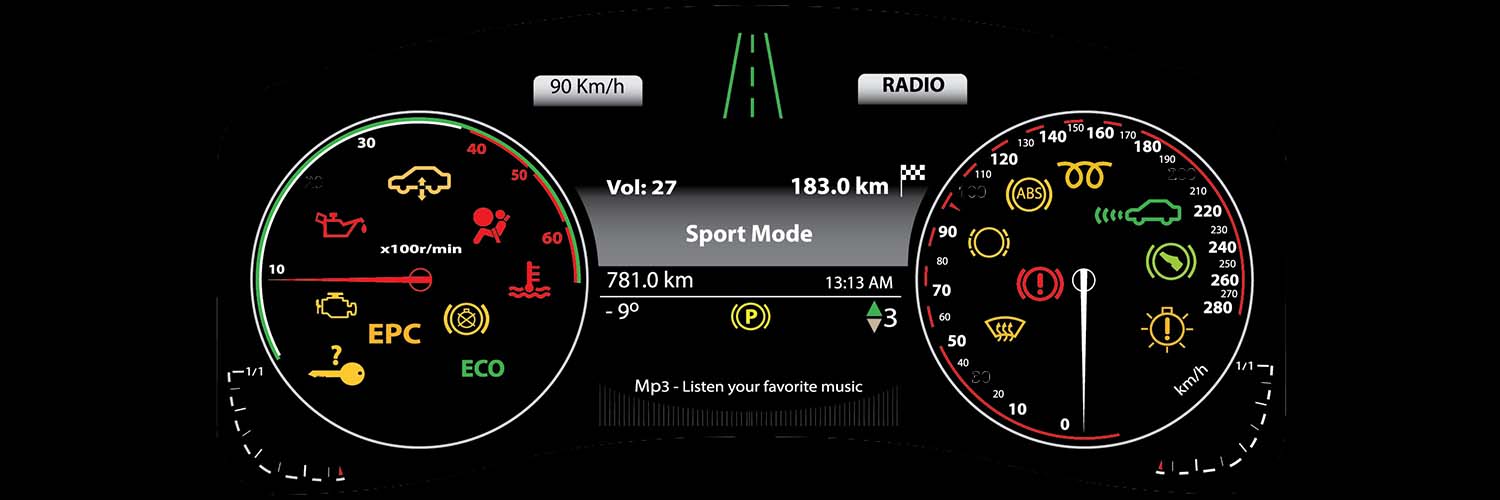
When driving a Volkswagen vehicle, have you ever noticed a mysterious light illuminating on your dashboard? Perhaps it was the EPC light. But what, pray tell, does EPC mean? And why, one might wonder, should it provoke any sort of concern? Allow us to embark on a journey through the nuances of the EPC system in Volkswagen automobiles, and discover the implications it may have on your driving experience.
The acronym EPC stands for Electronic Power Control. This system is integral to a vehicle’s engine management. When you see the EPC light glowing, it’s an indication from the onboard diagnostics system that something is afoot; a glitch that demands your attention. While this may bring forth an air of trepidation, understanding the purpose and function of EPC can pave the way toward clarity and resolution.
The primary role of the EPC system is to monitor various functions within the engine, ensuring everything runs smoothly and efficiently. Among the critical components overseen by this system are the throttle, brake system, and traction control functions. Thus, the EPC light is akin to a diligent guardian, quietly assessing whether your engine parameters are indeed within their designated thresholds. Should the system detect an anomaly, it promptly illuminates the EPC warning light on your dashboard, akin to a sentinel signaling the need for vigilance.
But let’s pose an intriguing question: What might cause the EPC light to shine with such insistence? The answer lies in the myriad of sensor readings and system checks undertaken by the onboard computer. Common culprits can include issues with the throttle body, malfunctions in the braking system, or even a need for a simple software update. Potential challenges can arise: a temporary glitch from a dislodged connector, or perhaps the impending need for engine maintenance. This begs the question, how does one decipher the true meaning behind the flickering light?
Upon closer inspection, drivers may discover several common scenarios that trigger the EPC warning. Among these is a malfunctioning throttle body, which can lead to erratic engine behavior. This component acts as the gateway for air entering the engine; if it misbehaves, the engine may struggle to receive the proper air-fuel mixture it craves. Sometimes, the culprit can be as innocuous as a dirty throttle body, which, while easily remedied, shouldn’t be overlooked. Regular maintenance is essential in averting such issues, transforming a potential irritation into a mere anecdote.
Furthermore, sensor failures often find themselves on the list of EPC-related grievances. Engine diagnostics rely heavily on a network of sensors to relay vital information to the vehicle’s computer. If one of these sensors malfunctions, it could prompt the EPC light to burgeon. Sexy, isn’t it? But where does the intrigue lie in a simple sensor malfunction? The situation underscores the importance of a comprehensive understanding of vehicle health, presenting both an opportunity for improvement and a minor inconvenience.
However, an EPC light does not always spell disaster. In some instances, it can simply indicate a need for system recalibration or an impending necessity for software updates. Volkswagen continually enhances their engine management systems, and such updates can ensure your vehicle operates at peak performance. Thus, before spiralling into a sea of anxiety, a quick visit to a licensed dealer can shed light on the matter, potentially saving you both time and money.
If the EPC light persists, it may bring about more pressing concerns, such as interference with performance. Your vehicle may enter limp mode—a security feature designed to protect the engine by restricting power output. Imagine navigating a busy highway at a snail’s pace; a scenario fraught with frustration and potential danger. Indeed, the prospect of facing such limitations highlights the importance of addressing any EPC indicators swiftly and decisively.
Now, let’s delve into a proactive approach to managing an EPC warning. First, ensure your vehicle is maintained according to the prescribed schedule. Regular check-ups can head off many minor issues before they escalate into substantial problems. Second, arm yourself with knowledge; familiarize yourself with the specific systems and components of your Volkswagen. Understanding where potential weaknesses may lie serves to fortify you as a driver.
Additionally, if you’re ever in doubt, it is wise to consult with a qualified mechanic or an expert in Volkswagen diagnostics. Their expertise can lead to the swift identification of the problem at hand, allowing you to navigate the winding road back to optimal performance with ease. They can provide not only an evaluation of the vehicle but also insight into any preventative measures that can be taken.
Imagine the satisfaction of driving a finely-tuned vehicle rather than grappling with unexpected system errors! Furthermore, by embracing a culture of awareness around EPC issues, drivers can foster a greater appreciation for the technology under the hood of their Volkswagen. Each light illumination can be transformed from a moment of anxiety into a stepping stone toward enhanced vehicle performance and reliability.
In summary, the EPC light serves as a critical indicator of engine health in Volkswagen vehicles. While at times it may feel burdensome, recognizing the root causes, maintaining a routine of regular checks, and seeking professional help enable a more harmonious relationship with your vehicle. With the right approach, you won’t merely navigate the roads—you’ll conquer them with confidence!












