
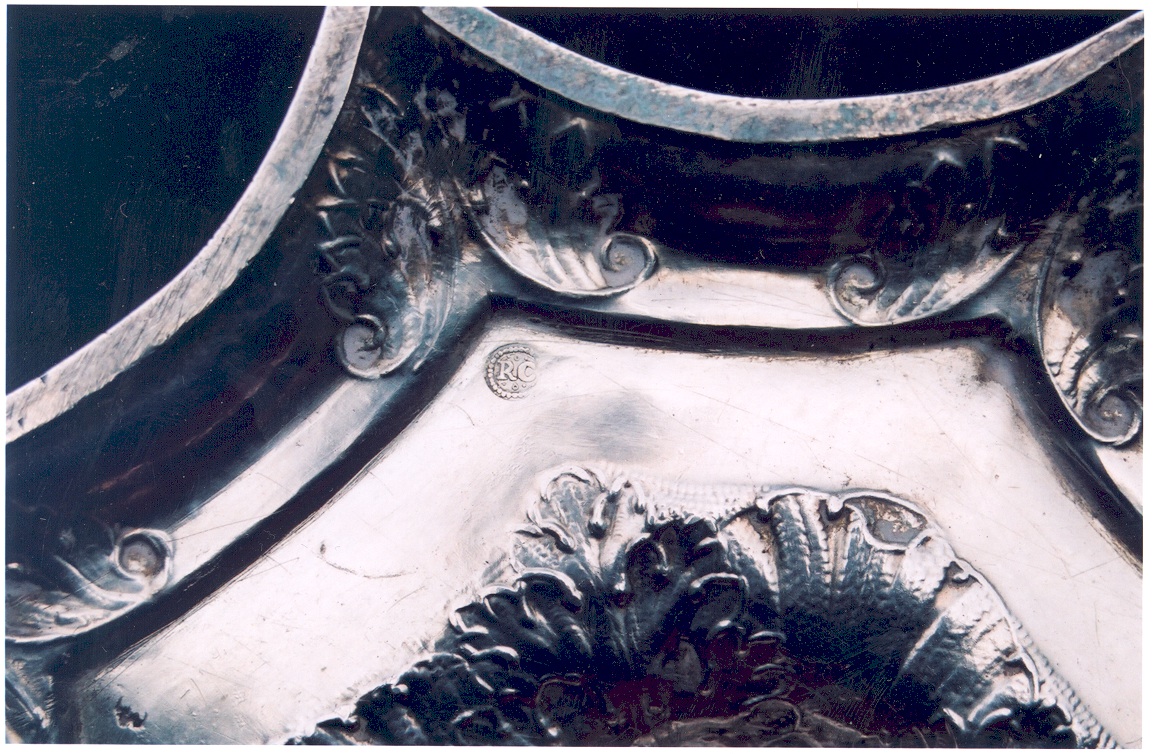
In the intricate world of metal working, metal markings are akin to a secret language, a dialect that bespeaks the craftsmanship and authenticity of the materials at hand. One of the most enigmatic of these symbols is the abbreviation “GA.” This acronym, while seemingly simple, carries with it an array of implications that can intrigue both artisans and collectors alike. In this exploration, we will delve into the multifaceted meanings behind “GA” in metal working, unraveling the threads that make this marking so compelling.
To comprehend the significance of “GA,” it is essential to first understand the broader landscape of metal markings. Precious metals, like gold, silver, and platinum, are often adorned with hallmarks that signify purity, origin, and even the artisan’s touch. These markings serve a dual purpose: protecting consumers and elevating the art of metal working. They act like imprints of a craftsman’s soul, capturing the essence of not only the material but also the time-honored techniques employed in its transformation.
The “GA” marking, specifically, is often interpreted to denote a manufacturer’s stamp or a hallmark related to a specific purity measurement. When seen in the context of gold, for instance, it might refer to a specific quality level or an indicator of legitimacy, ensuring that the consumer receives exactly what is promised. This levies a semblance of trust, forged in the fires of craftsmanship, between the creator and the beholder.
But the allure of “GA” extends beyond mere delineation of purity. It casts a shadow into the realm of artistry as well. Craftsmen often imbue their work with personal signatures or symbols that reflect their unique style or heritage. In this way, “GA” can encapsulate the very spirit of an artisan, acting as an emblem of pride and tradition. In many respects, the presence of this marking transcends its functional significance, transforming into a hallmark of identity.
In the echo of metal’s cool surfaces, discerning the essence of a marking like “GA” is paramount. Consider this: each piece, adorned with such a mark, tells a story—an odyssey of mineral extraction, refinement, and artistic expression. It is a relic of a time when artisans engaged in laborious processes to transform raw metal into objects of beauty or utility. The inclusion of “GA” in this narrative weaves a tapestry of connection that speaks to centuries of craftsmanship.
As one journeys deeper into the realm of metal working, it becomes apparent that the implications of “GA” are not just confined to aesthetics or purity. These markings can also reflect economic conditions and technological advancements in metal working. A shift in industry standards could lead to a re-evaluation of what “GA” signifies—whether it remains static or evolves with time. Herein lies a fascinating aspect of metal markings: they are snapshots of a dynamic field that continually adapts to societal trends, economic fluctuations, and technical innovations.
In a broader context, “GA” symbolizes an ongoing dialogue between the past and present. When one observes this marking on a piece of metal work, it invites contemplation on the evolution of craftsmanship through the ages. It is as if the very metal, burdened with history, whispers tales of ancestral techniques and methodologies. From primitive extraction methods, where artisans dug deep into the earth, to today’s advanced processing systems, the journey of metal is a fascinating chronicle encapsulated by its markings.
Delving further, “GA” can also serve as a gateway into understanding the various communities and cultures that contribute to the grand tapestry of metalworking. It underscores how localized knowledge and traditions inform hallmarks, enabling artisans from different regions to express their identities, which in turn enhances the cultural richness of their work. The beauty of “GA” lies in its universal recognition that, regardless of geographical boundaries, the pursuit of craftsmanship unites artisans globally.
On a practical level, when acquiring metal objects, the “GA” marking can serve as a crucial tool for appraisal. Collectors and connoisseurs often rely on these symbols to validate authenticity. When one comes across a piece with this marking, it is a sentinel of quality assurance—a badge that entices potential buyers and instills confidence. It ushers in an assurance that the artistry is as genuine as the material itself.
Moreover, in a world where metal is frequently recycled and repurposed, the significance of such markings becomes even more pronounced. The “GA” stamp can offer insights into the object’s provenance, shedding light on its previous forms and identities. Just as a tree’s rings narrate its life history, metal markings chart the journey of materials through various incarnations.
In conclusion, the essence of what “GA” signifies in metal working is complex and layered. Decisions made at the forge resonate far beyond mere craftsmanship; they echo through time, culture, and industry. This marking is not merely a letter—or a couple of letters—but rather an intricate mosaic, piecing together authenticity, artistry, history, and trust. In the world of metal working, “GA” serves as a resplendent emblem, inviting all who encounter it to engage in the greater narrative of creation and craftsmanship. Thus, the next time you behold a piece graced with this marking, remember: it is more than just metal; it is a story waiting to be unveiled.











