
In the intricate tapestry of the legal system, the dismissal of a court case can be likened to a curtain falling on an unresolved act of drama. Just as the theatergoer is left pondering the fate of the characters, so too are the parties involved in a dismissed court case confronted with ambiguity. The act of dismissal is not merely a final word but a nuanced legal maneuver that can resonate through subsequent actions, future legal endeavors, and individuals’ lives. To understand the implications of dismissal is to navigate the labyrinthine corridors of the legal framework.
At its core, a case dismissal signifies that the court has decided to terminate the proceedings before reaching a verdict. This juncture can occur for myriad reasons, each carrying its own weight and consequence. Dismissals can be voluntary or involuntary, with each type encompassing a distinct philosophical undercurrent.
Types of Dismissals
A voluntary dismissal is akin to a playwright choosing to cut a scene—perhaps because it detracts from the narrative’s cohesion or simply lacks dramatic tension. In legal terms, a plaintiff may unilaterally decide to withdraw their complaint, effectively concluding the case without a court ruling. This may occur for reasons as varied as a change of heart, a settlement reached outside the courtroom, or the realization of insufficient evidence to support their claims. When a case is voluntarily dismissed, it does not preclude future filings; the curtain can rise again should the plaintiff wish to pursue the matter afresh.
Conversely, an involuntary dismissal often feels more like a sudden and harsh critique delivered by a critical audience member. It occurs when a judge dismisses a case based on specific procedural failures or substantive inadequacies. Common grounds for involuntary dismissal include lack of jurisdiction, failure to state a claim upon which relief can be granted, or noncompliance with procedural rules. This type of dismissal can result in a negation of the claims without any opportunity for appeal, barring exceptional circumstances.
Consequences of Dismissals
The ramifications of a dismissal extend far beyond the immediate cessation of proceedings. When a case is dismissed—whether voluntarily or involuntarily—it leaves behind a complex tapestry of legal implications that could influence the parties’ subsequent actions and legal standing.
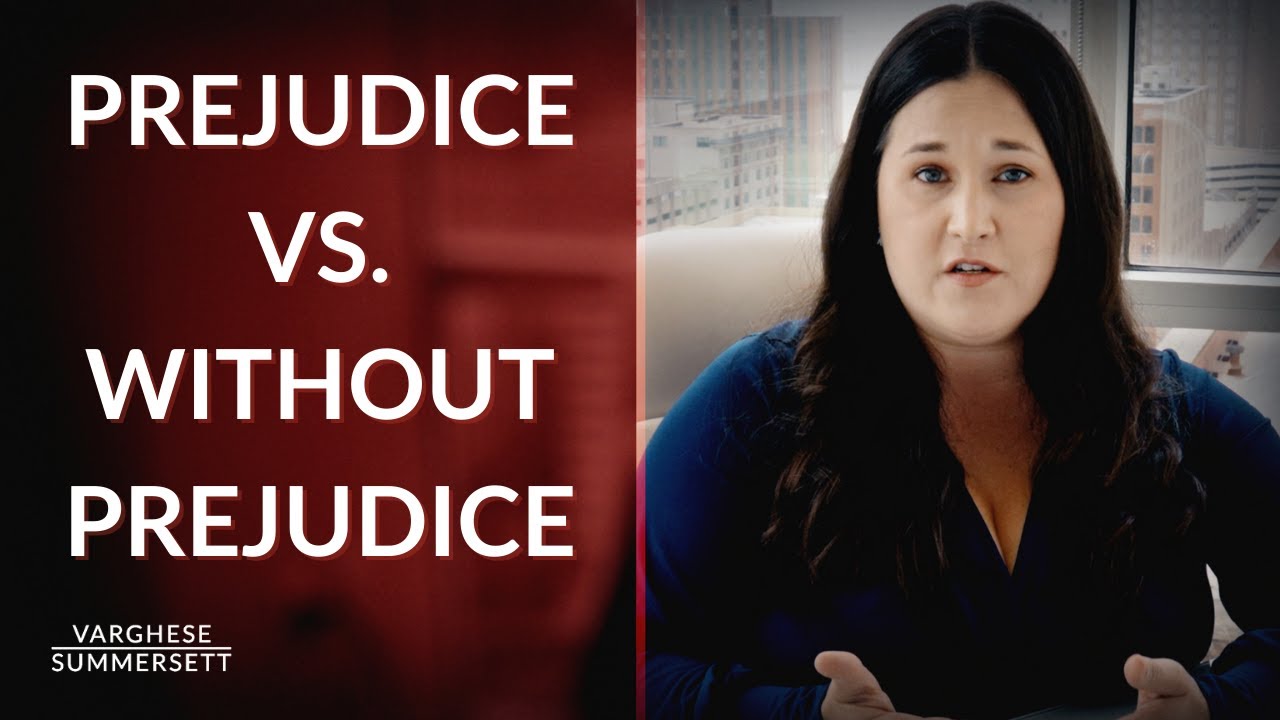
One pivotal consequence is the notion of res judicata, commonly referred to as claim preclusion. When a case is dismissed with prejudice, it typically acts as a formidable barrier to re-filing the same claim. This principle ensures that once a decision has been made, the parties cannot continue to churn the waters of dispute unnecessarily. Thus, a dismissal with prejudice serves not only to protect judicial resources but also to uphold the integrity of the court’s rulings.
On the other hand, a dismissal without prejudice opens the door for future litigation. The plaintiff retains the right to refile their case, accentuating the notion of possibility—much like a new act being crafted after revisiting a flawed script. This flexibility can encourage individuals to reconsider their positions, fortify their arguments, and perhaps return with stronger evidence or different legal strategies.
The Role of Legal Counsel
At the heart of navigating dismissals lies the indispensable role of legal counsel. These seasoned navigators of the legal seas wield considerable influence in guiding their clients through the murky depths of litigation. The advice of an attorney can illuminate the potential paths following a dismissal. They can offer insight into the likelihood of a successful re-filing or the merits of pursuing an appeal if the dismissal was involuntary.
Furthermore, attorneys possess the acumen to help clients explore alternative dispute resolutions, ensuring that the dismissive close of one case does not foreclose the opportunity for another avenue of resolution through mediation or arbitration. Much like a skilled helmsman adjusts the sails in changing winds, legal counsel can recalibrate strategies in response to shifting circumstances, thereby enhancing the prospects for a favorable outcome.
Public Perception and Aftermath
The dismissal of a court case can engender diverse public perceptions that affect the reputations of the individuals involved. In the eyes of the public, a dismissive ruling may evoke sentiments ranging from relief to suspicion. For the plaintiff, there may be a lingering question of credibility, while the defendant may experience a sigh of relief yet remain ever vigilant. The complex interplay of reputation dynamics becomes essential, particularly in high-profile cases where public opinion can sway perceptions with the swiftness of the courtroom’s verdict.
Moreover, the emotional toll on the parties involved cannot be overlooked. The journey through litigation can be akin to traversing a stormy sea, and a dismissal—whether a welcomed reprieve or a daunting setback—can evoke a maelstrom of feelings. From frustration and disappointment to relief and renewed resolve, the variety of emotional responses reflects the profound impact legal outcomes can have on individual lives.
The Bigger Picture
In consideration of the broader implications of case dismissals, it is essential to recognize that these legal outcomes are part of a larger narrative within the judicial system. They reflect the principles of fairness, justice, and the delicate balance between individual rights and societal interests. A dismissal may serve as a reminder that the judiciary must remain vigilant, ensuring that not all disputes deserve to cross the threshold of trial.
Ultimately, when a court case is dismissed, it marks not just a conclusion but a complex interlude in the ongoing symphony of legal relationships. Understanding the nuances of dismissals—whether voluntary or involuntary—equips us with the knowledge to appreciate the intricate dance that unfolds within the court’s hallowed halls. Such an understanding fosters a deeper respect for the legal system and the myriad ways it shapes the lives of those it touches.












