
When it comes to vehicle maintenance, the importance of brake functionality cannot be overstated. Brakes are perhaps one of the most crucial components of any automobile. They ensure the safety of the driver, passengers, and pedestrians alike. Thus, when you hear a disconcerting squeal emanating from your vehicle during a stop, it isn’t just a benign annoyance; rather, it serves as an auditory signal that something may be amiss. This article aims to dissect the various implications behind squealing brakes, highlighting both commonplace and more profound reasons that can elucidate this intriguing phenomenon.
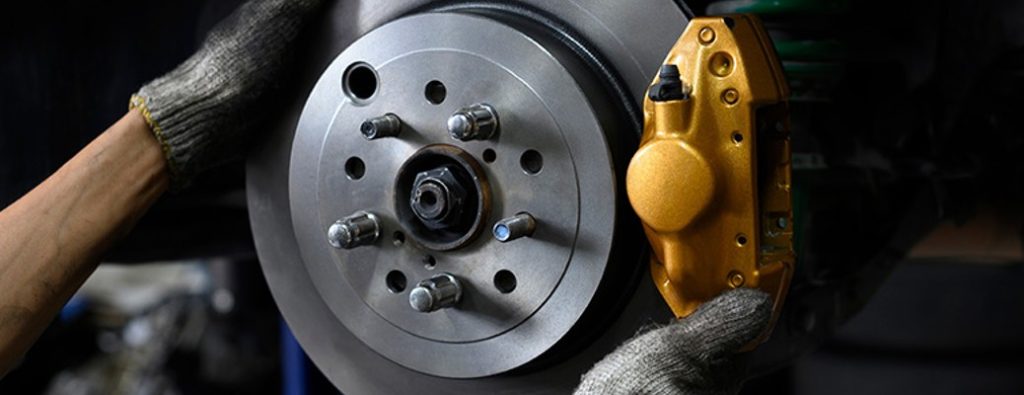
Understanding the underlying mechanics of your vehicle’s brake system provides a solid foundation for addressing any unexpected auditorial cues. At the heart of every braking system lies a collection of intricate components—brake pads, rotors, calipers, and fluid—all of which work harmoniously to bring your vehicle to a halt. However, they are also subject to wear and tear, leading to a myriad of performance issues, including those nerve-wracking squeals.
One of the most common culprits behind brake squeal is the material composition of the brake pads themselves. Brake pads are predominantly made from various materials such as organic compounds, metallic composites, or ceramic. Each material comes with its advantages and drawbacks. For example, while metallic brake pads offer excellent performance under heavy braking, they can generate a high degree of noise due to their composition. Conversely, organic pads are quieter but can wear down more quickly. If you find your vehicle often squealing under moderate to severe braking, it might be time to consider whether the brake pads are the right fit for your driving habits.
Beyond the type of brake pads, moisture can also play a significant role in the symphonic discord of squealing brakes. A light coating of water, which could be the result of rain or washing your car, can create a temporary slick on the rotors. This film can prevent the necessary grip between the brake pad and the rotor, resulting in a high-pitched squeal. It’s a phenomenon that particularly affects vehicles in humid or rainy climates. Frequent squealing in these conditions may not indicate a pressing problem, but rather a simple consequence of environmental factors.
As fascinating as these factors are, they delve only skin-deep into the intricacies of brake functionality. More profound issues may lurk beneath, including uneven wear on brake pads or rotors. If one part of the braking system exhibits significantly more wear than others, it may not be functioning as intended. This distinctive form of wear can often be attributed to factors such as a misaligned caliper or inadequate lubrication. Such conditions not only produce an irritating sound but can also jeopardize the safety and performance of the braking system. A professional inspection may be necessary to diagnose and rectify these issues.
Another contributing factor is the potential buildup of debris or dust between the brake components. As vehicles are driven, a combination of road grime, brake dust, and other particulates can infiltrate the space between the brake pads and rotors. This accumulation can lead to unwanted friction, manifesting as squealing or grinding noises. Regular cleaning and maintenance can often alleviate this issue, preventing minor inconveniences from escalating into severe problems.
Moreover, the installation of low-quality or worn-out parts can also lead to unwanted noises. Whether it’s brake pads that have surpassed their lifespan or rotors that are nearing their end, using inferior components can adversely affect the overall functionality of the vehicle’s braking system. When it comes to your safety, investing in high-quality parts is essential; it can have a far-reaching impact, not only on performance but also on your peace of mind during every drive.
When faced with incessant squealing, it may be wise to contemplate whether it’s merely a mechanical hiccup or an urgent call for action. While a brief squeal may not necessitate immediate attention, consistent noise should never be disregarded. Ignoring such cues can culminate in more significant, costly repairs or, worse yet, jeopardize your safety on the road.
In addition to the mechanical and environmental factors that contribute to brake squeal, emotional and psychological dynamics also come into play. Many drivers experience a heightened sense of anxiety when faced with an unusual sound from their vehicles. This emotional response can lead to a heightened awareness of mechanical issues, fostering a fascination with the complexities of automotive engineering. After all, cars are not merely modes of transport; they symbolize freedom and exploration. Understanding the mechanics behind a squeal can, therefore, provide a deeper connection to the vehicle itself, enhancing the driving experience.
In summary, the next time your vehicle’s brakes squeal, listen closely. What may seem like an innocuous annoyance could be your vehicle’s way of alerting you to potential issues. Whether it’s the material composition of your brake pads, the impact of environmental factors, or deeper mechanical misalignments, understanding these multifaceted reasons not only empowers your driving experience but also underscores the importance of proactive vehicle maintenance. In doing so, you’ll not only guard against the squawking sounds of distress but also ensure a safe and harmonious journey on the open road.












