
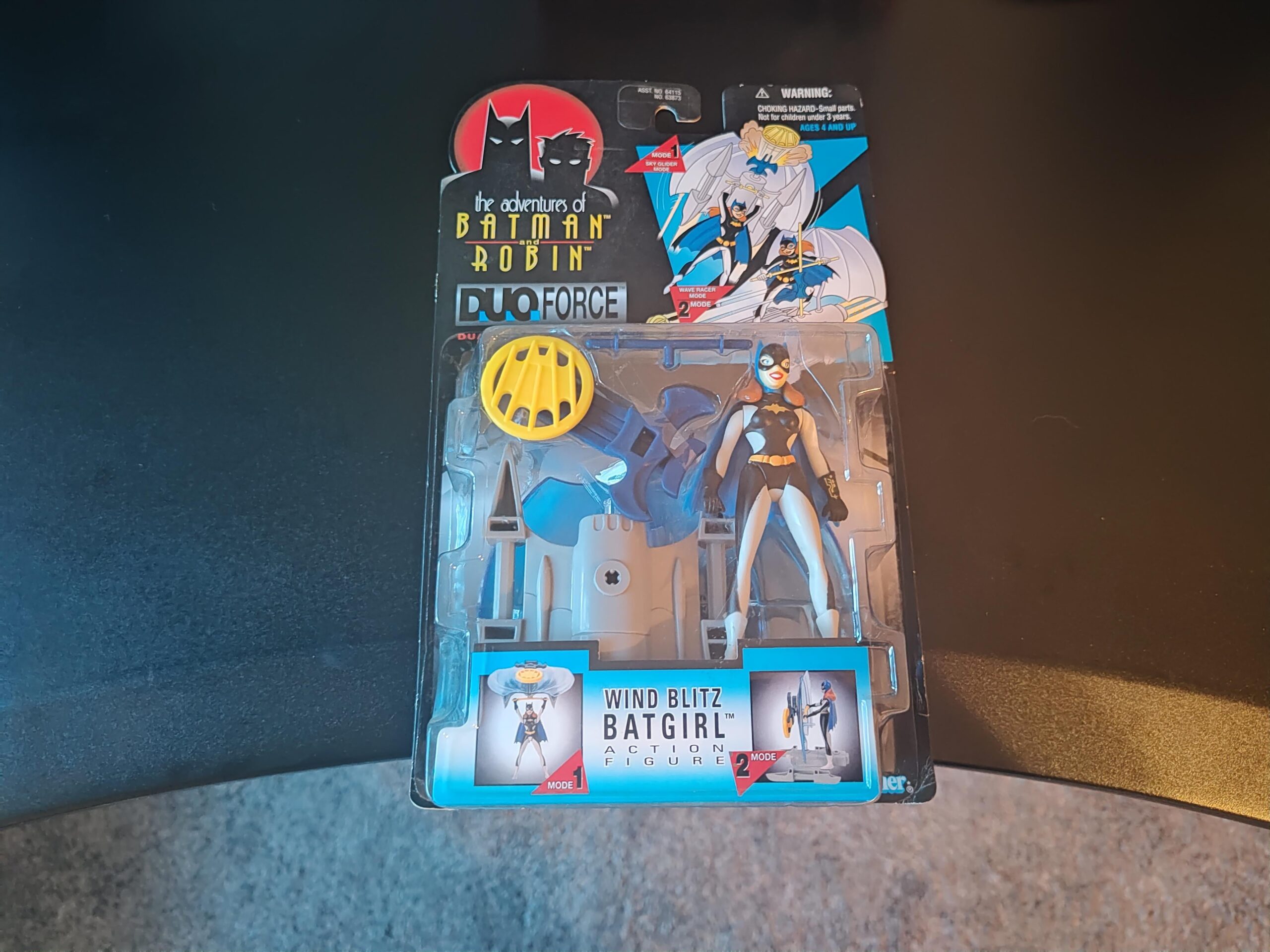
In the vibrant world of action figures, a term has gained traction among collectors and enthusiasts alike: “recast.” This designation is often loaded with ramifications, presenting a confluence of ethics, artistry, and community. To navigate through this curious lexicon, we must explore the nuances of recasting, its implications for collectors, and the dichotomy it introduces within the action figure realm.
At its core, recasting refers to the practice of creating a replica of an existing figure. This phenomenon is often likened to a double-edged sword; while it can democratize access to coveted figures, it also raises questions about authenticity and artistry. Imagine, if you will, a master painter meticulously re-creating a Van Gogh. On one hand, the homage to classic artistry is commendable; on the other, it raises the eyebrows of purists who argue against the integrity of the original work. This analogy holds particularly true in the action figure community.
Understanding the implications of recasting requires delving into its underlying mechanics. The process typically involves casting molds from original figures, often using materials such as resin or plastic. Once completed, these replicas can be painted and customized, bearing an uncanny resemblance to their progenitors. Often, these figures enter the market at a fraction of the cost of the original, thus igniting a fervent debate among collectors regarding the merits and downsides of such practices.
One must recognize that the allure of recast figures lies in their accessibility. For many budding collectors, the financial burden of sourcing original, limited-edition pieces can be prohibitive. Thus, recasts offer a lifeline, allowing enthusiasts to curate their collections without incurring insurmountable debt. It’s akin to attending a concert and finding a way to experience the melodies without purchasing the premium ticket. The enchantment remains, but at a more palatable price point.
However, as the saying goes, “with great power comes great responsibility.” The act of acquiring recast figures carries intrinsic ethical considerations. Collectors who choose to indulge in these replicas may unwittingly contribute to a culture that undermines original creators—artists and manufacturers who pour their soul into sculpting and molding each unique figure. Invariably, the question arises: Is it fair to reap the benefits of someone else’s creativity?
The conversation around recasting also touches the notion of community. Within the collector’s circle, a faction arises dedicated to the promotion of original pieces. These individuals often regard recasts as the bane of true collectors, tainting the sanctity of their beloved hobby. In contrast, an emerging subset embraces recasting as a means of solidarity, banding together over accessibility and sharing their customizations and enhancements. This intricate tapestry of opinions reveals that action figure collecting is as much about the figures themselves as it is about the people who covet them.
Moreover, the phrase “recast” also suggests an evolution in the understanding of value within the collector’s market. The genesis of a figure is often rooted in nostalgia or the uniqueness of the design, yet recasting reframes this narrative. Can value exist outside of rarity? This discourse opens the floodgates to a broader existential question: What truly defines a collectible? The deep-rooted sentiments that surround certain figures may transcend the material aspect, solidifying their worth based on memories and experiences shared among collectors—the stories woven into the fabric of the community.
As the recast phenomenon proliferates, so does the ingenuity among collectors. An entire landscape of customization emerges, where enthusiasts take recast items and breathe new life into them. Through painting, sculpting, and personal touches, these figures evolve from mere copies into individualized works of art. Identifying a finely customized recast becomes a treasure hunt in its own right, revealing hidden talents among collectors and fostering camaraderie through shared techniques and ideas. This creative renaissance adds another layer of intrigue, making recast figures a platform for artistic expression rather than just replicas.
It is essential to orchestrate a balanced perspective on the recasting discourse. Advocates argue for the beauty of diversity in collections, promoting the notion that every figure, whether original or recast, can spark joy and elicit nostalgia. The experience of holding a figure that resonates with one’s childhood or favorite series is profound—whether it was acquired with painstaking effort or through the modern convenience of recasting.
Ultimately, the dialogue surrounding recasting in the action figure community encapsulates the complexities of artistry, commerce, and personal connection. It beckons a reevaluation of what it means to collect, urging enthusiasts to consider not only the objects they covet but also the implications of their choices. In an era where accessibility often clashes with authenticity, action figure collectors stand at a fascinating crossroads, navigating a vibrant world rich with stories, inspiration, and artistic fervor.
As the dust settles on this simmering debate, one thing remains clear: the world of action figures is as dynamic and multifaceted as the figures themselves. Recasting may challenge the status quo, yet it simultaneously fosters a community bound by passion and creativity, ensuring that the spirit of collecting evolves with the times.












