
When delving into the realm of HVAC (Heating, Ventilation, and Air Conditioning) systems, one frequently encounters the term “TAB.” Short for Testing, Adjusting, and Balancing, TAB is a vital process in the construction and maintenance of HVAC systems. Understanding TAB is pivotal for HVAC professionals, engineers, contractors, and building owners alike, as it ensures the systems operate efficiently and effectively.
1. Defining TAB in HVAC
Testing, Adjusting, and Balancing (TAB) is an integral procedure undertaken to guarantee that an HVAC system operates at its peak performance. The process works systematically to ensure that air and water distribution is meticulously calibrated within the system. Each component is tested individually, adjusted for optimal performance, and balanced to achieve uniform distribution throughout the space.
2. Importance of TAB
The importance of TAB cannot be overstated. An improperly balanced HVAC system can lead to a multitude of issues, including inefficient energy use, uncomfortable indoor environments, and even health risks due to poor air quality. TAB protects against these pitfalls by ensuring that all elements of an HVAC system, from ductwork to equipment, interact harmoniously.
3. The Testing Phase
During the testing phase, technicians evaluate the operational conditions of the HVAC system. This involves measuring airflow, pressure, temperature, and humidity levels within the system. Advanced testing instruments, such as anemometers and manometers, allow professionals to capture accurate data. This step is critical; it provides a snapshot revealing how well systems function under existing conditions, paving the way for necessary adjustments.
4. The Adjusting Phase
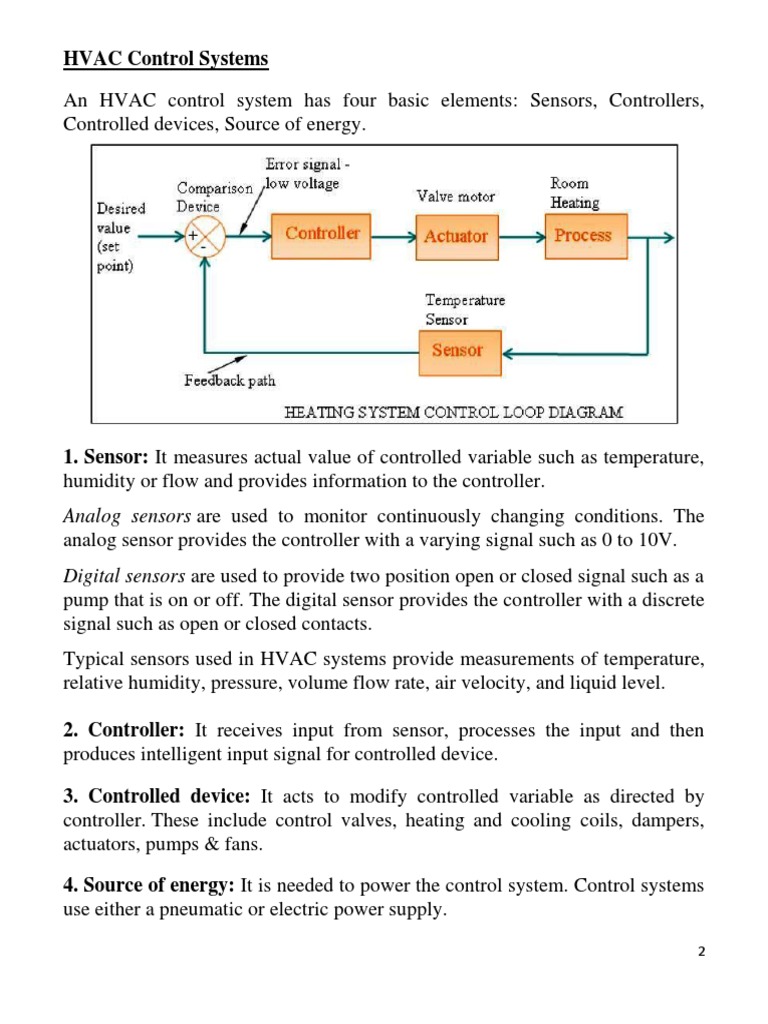
Once data is collected, the adjusting phase begins. This is where technicians fine-tune the system to meet the specified design criteria. Adjustments might include modifying damper positions, balancing airflow between different rooms, or altering water flow rates in hydronic systems. The goal is to optimize the performance by ensuring that air temperature remains stable and consistent throughout the building. Adjustments are not merely mechanical; they also entail evaluating the control systems that regulate operations, ensuring they respond appropriately to varying demands.
5. The Balancing Phase
The balancing phase is where the culmination of testing and adjusting comes to fruition. In this stage, the technician ensures that the entire system operates smoothly and in unison, thereby distributing conditioned air evenly throughout the space. This is especially crucial in larger buildings, where discrepancies may lead to certain areas becoming overly hot or cold. Balancing helps mitigate such issues, ensuring every zone receives its fair share of heating or cooling.
6. Types of Systems Requiring TAB
Not all HVAC systems are created equal, and thus, the TAB process can vary significantly between different types. Systems may be categorized into several types that require tailored TAB approaches:
- Residential HVAC Systems: Typically smaller in scale, these systems often emphasize comfort and energy efficiency, with TAB focusing on performance adjustments for individual spaces.
- Commercial HVAC Systems: Often encompassing larger, more complex systems, commercial setups necessitate a comprehensive approach to TAB. The greater demands of these systems require meticulous attention to airflow and pressure differentials across extensive ductwork.
- Industrial HVAC Systems: In industrial settings, TAB must consider unique factors such as process loads and environmental conditions. These systems may include specialized equipment that necessitates unique configurations for peak performance.
7. Benefits of Proper TAB
The benefits of conducting thorough TAB procedures reverb throughout the lifecycle of an HVAC system. Foremost among these advantages is improved energy efficiency. Well-balanced systems consume less energy, resulting in lower utility bills. Furthermore, proper TAB enhances indoor air quality, as the system will circulate clean, conditioned air effectively. This not only promotes occupant comfort but also fosters a healthier indoor environment. Furthermore, the extended lifespan of HVAC components due to optimal operation cannot be overlooked, as it mitigates wear and tear, reducing maintenance costs.
8. TAB and Sustainability
In an era of increased environmental awareness, TAB also plays a pivotal role in sustainability. Efficient HVAC systems consume less energy, thus reducing the overall carbon footprint of buildings. Enhanced air quality facilitated by proper ventilation systems contributes to healthier living spaces, reflecting a growing commitment to sustainable practices in the construction sector.
9. Conclusion
Understanding the significance of Testing, Adjusting, and Balancing in HVAC systems leads to informed decisions regarding installation, maintenance, and upgrades. TAB is not merely a technical procedure, but rather a holistic approach to ensuring systems operate efficiently and effectively. From enhancing comfort levels to promoting environmental sustainability, the impact of TAB transcends beyond mere performance metrics. For any stakeholder in the HVAC field, grasping the nuances of TAB remains fundamental to achieving operational excellence.












