
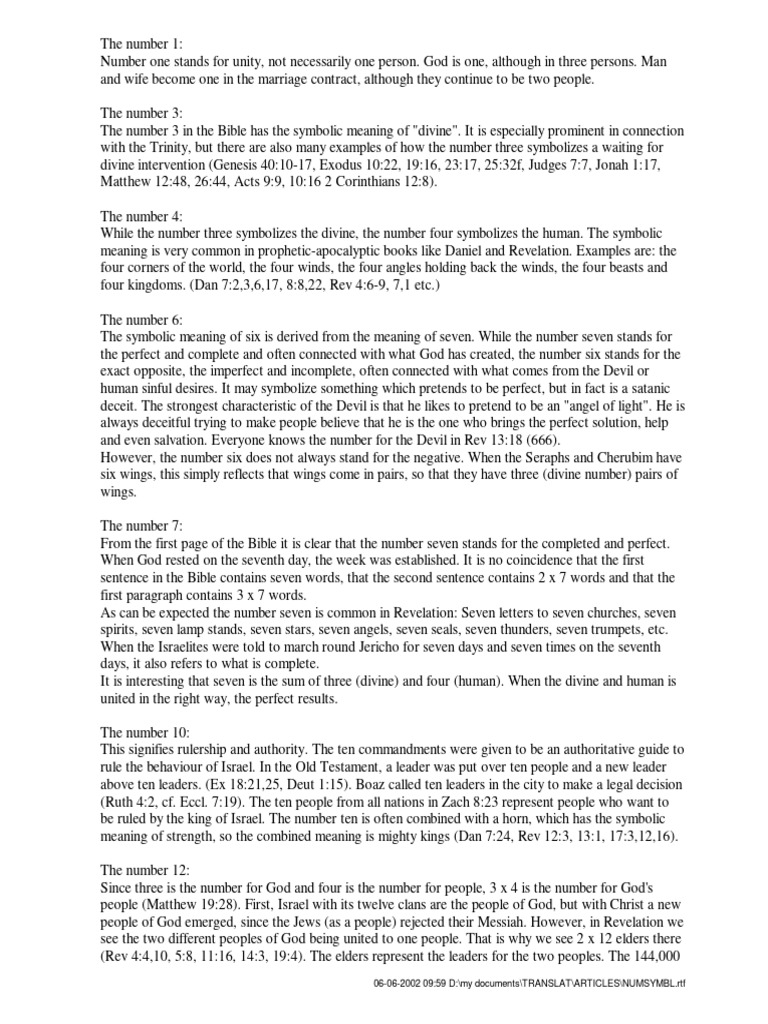
The number 13 has long captivated the imagination of various cultures and belief systems, often evoking feelings of trepidation or intrigue. In the realm of biblical symbolism, this enigmatic number encapsulates a spectrum of meanings, emerging as a potent emblem of both misfortune and divine intervention. Let’s embark on a thorough exploration of the significance of 13 within the pages of the Bible, unraveling its multifaceted symbolism and its resonance in the spiritual landscape.
The Genesis of 13: A Cluster of Connotations
In biblical numerology, numbers are seldom arbitrary; they serve as vessels of deeper significance imbued with rich layers of interpretation. The number 13, when examined through the lens of scripture, reveals a tapestry woven with meanings that oscillate between the sacred and the profane. At its inception, the number is often synonymous with rebellion and disorder, emerging from its association with the first rebellion against divine order—the transgression of Adam and Eve in the Garden of Eden. This act of defiance, combined with the subsequent expulsion from paradise, forms a narrative that casts a shadow over the number 13.
The Twelve Tribes and the Intrigue of Thirteen
The dichotomy of 13 in biblical literature finds an echo in the structure of the Twelve Tribes of Israel. These tribes, descended from the sons of Jacob, symbolize divine order and covenant. In contrast, the introduction of a thirteenth tribe—often symbolized by the antithesis of order—brings forth themes of chaos. Judas Iscariot, the infamous betrayer of Christ, is anointed to this role as a thirteenth disciple, embodying the very essence of betrayal and disarray. The interplay between the twelve (perfection, totality) and the thirteen (disruption, chaos) speaks to a broader narrative where divine intentions clash with human fallibility.
Thirteen in the New Testament: A Lurid Adventure
As we traverse the pages of the New Testament, we encounter instances where the number 13 further develops its complex identity. In the final hours leading to the crucifixion, the Last Supper gathers thirteen individuals: Jesus and his twelve apostles. This significant congregation marks a turning point in history, underscoring the transition from divine unity to human betrayal. Herein lies a vivid conflict—a moment steeped in poignant irony, where the sanctity of fellowship inevitably leads to the harrowing events of the Passion.
Symbolism within the Apocalypse: Thirteen and the End Times
In the vivid imagery of Revelation, 13 takes on an apocalyptic nuance. The mention of the “beast” in Chapter 13 is drenched in ominous overtones, symbolizing governmental power and rebellion against God. This beast, with its prophetic duality, challenges believers to discern the signs of the times. The number’s presence in this harrowing context serves as an incessant reminder of the trials and tribulations that followers of Christ may face, lending credence to the overarching theme of perseverance amid adversity.
The Contradictory Nature of Thirteen: Blessings Amidst Curses
Yet, as we delve deeper, we unearth instances where thirteen transcends its foreboding reputation, revealing glimpses of divine grace. For example, in the book of Genesis, Jacob’s age at the birth of his son Joseph—thirteen years—marks a pivotal moment that would later lead to the preservation of Israel during famine. Joseph’s journey from despair to prominence, rooted in his familial betrayal, invokes a narrative of resurrection, challenging the simplistic notion that thirteen is inherently malevolent. Rather, it serves as a paradoxical representation of transformation and divine intervention.
The Question of Influence: Folk Beliefs and Modern Interpretations
Beyond the biblical text, the number 13 has woven itself into the fabric of cultural folklore and superstition. The aversion toward it, known as triskaidekaphobia, permeates modern-day society, revealing how ingrained beliefs can evolve from ancient scriptural interpretations. This fear often overshadows the potential profundity of the number, stifling its potential for signifying uniqueness or transformation. As we navigate the intersection of ancient beliefs and contemporary interpretations, we find that 13 can symbolize breaking free from the shackles of convention, challenging individuals to embrace the unknown.
Final Reflections: Embracing the Complexity of Thirteen
In conclusion, the number 13 within the biblical context emerges not merely as a harbinger of misfortune but as a profound symbol reflecting the complexity of human experience. It encapsulates the duality of existence: rebellion and redemption, chaos and order, despair and hope. As we engage with this number, we are invited to look beyond the surface and consider the intricate layers of meaning that shape our understanding of faith and spirituality. Ultimately, embracing the duality of 13 beckons us to confront our fears, endure through trials, and recognize that within the cacophony of chaos lies the potential for divine providence. In this embrace, we find wisdom that transcends the pages of scripture, guiding us through the labyrinth of life itself.












