
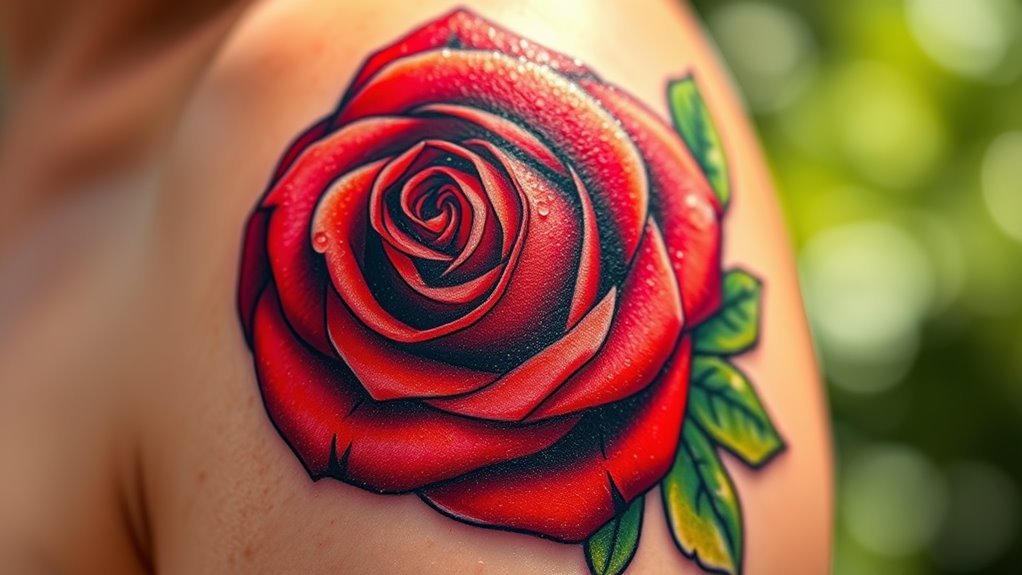
When it comes to tattoos, few images evoke as much beauty and deep-seated meaning as the rose. This delicate flower has been cherished for centuries, intertwining itself into various cultures as a profound symbol of love, passion, and resilience. In the realm of body art, a rose tattoo encapsulates more than just aesthetic appeal; it manifests personal narratives, emotional landscapes, and, at times, memorial tributes. In this exploration, we will delve into the multifaceted meanings associated with rose tattoos, the significance of different colors, and how various styles contribute to their symbolism.
1. The Universal Significance of the Rose
The rose is perhaps the quintessential symbol of love and romance. Its petals, velvety and soft, denote a tenderness that resonates with the human heart. Historically, roses have represented various forms of love, from romantic to platonic, making them an evergreen choice for those wishing to commemorate their relationships. This association is augmented by the lore surrounding roses in mythology and literature, where they often represent divine love or the beauty found within life’s ephemeral moments.
Beyond romance, roses can encapsulate deeper emotions such as loss and remembrance. For those tattooing a rose in memory of a lost loved one, the rose can stand as a powerful emblem of life’s transient nature, embodying both the sweetness of cherished memories and the bitterness of grief. This duality adds a layer of complexity, transforming a simple flower into a profound lesson on the interconnectedness of joy and sorrow.
2. Color Significations
The color of a rose contributes significantly to its meaning within tattoo art. Each hue carries its own unique symbolism, allowing individuals to convey distinct messages or emotions through their ink choices.
- Red Roses: Universally, the red rose symbolizes passionate love and deep desire. In tattoo form, it often represents an intense romantic bond or a fervent emotion tied to a particular person. This color’s prominence in tattoos stems from its established link to romance, making it a popular choice for couples or individuals wishing to celebrate love.
- Pink Roses: Soft, gentle, and often seen as the embodiment of grace, pink roses typically convey admiration, gratitude, or joy. A pink rose tattoo may resonate with friendships or familial bonds, signifying heartfelt appreciation for those we hold dear.
- White Roses: Often associated with purity, innocence, and new beginnings, white roses can symbolize a fresh start or a new phase in life. In memorial tattoos, they frequently denote the memory of someone cherished, serving as a reminder of the purity of their spirit.
- Yellow Roses: Bright and cheerful, yellow roses are symbols of friendship and platonic relationships. A tattoo of a yellow rose might signify an appreciation for friendship or a reminder of joyful moments shared with loved ones.
- Black Roses: Contrasting sharply with the traditional vibrant hues, black roses often explore themes of mourning or loss. This color can signify the end of a relationship, death, or harness complex emotions tied to grief. Black rose tattoos allow individuals to express the somber aspects of love and loss without diminishing their emotional depth.
3. Styles and Cultural Influences
The way a rose is stylized in a tattoo can greatly influence its overall meaning and aesthetic. Different artistic movements have forged unique interpretations of the rose, catering to diverse tastes and cultural influences.
- Traditional Style: Known for its bold outlines and vibrant colors, traditional rose tattoos are striking in their simplicity. Often infused with nautical elements like anchors or swallows, this style is rooted deeply in the tattoo culture, serving as a salute to enduring love and loyalty.
- Watercolor Style: A modern take on rose tattoos, watercolor techniques create a more abstract and fluid representation. This style often utilizes vivid splashes of color, allowing for emotional expression that mirrors the fluidity of feelings associated with love, capturing moments that are fleeting and painted with emotion.
- Blackwork: Featuring intricate designs rendered in solid black ink, blackwork roses exude a bold aesthetic that often carries a sense of mystery. This style can reflect darker themes, making it a fitting choice for those wishing to embrace the complexities of love infused with shadow and nuance.
- Realistic Roses: Realistic rose tattoos aim to replicate the flower with astounding accuracy, bringing each petal and thorn to life. The detailed nature of this style underscores the beauty of the rose while inviting viewers to reflect on the intricacies of the emotions it represents.
- Geometric Roses: Incorporating modern geometric shapes can give a unique twist to traditional rose imagery. This contemporary style reflects how love can coexist with the abstract; it can also symbolize balance and harmony in relationships.
4. Personal Interpretations
Ultimately, a rose tattoo’s significance is rooted in personal interpretation. For some, it may represent a romantic bond; for others, it may be a tribute to a lost loved one or even a celebration of personal growth. The layering of meanings allows individuals to construct their own narratives through their body art. Each tattoo tells a story, symbolizing not only the rose itself but the myriad emotions tied to it.
Conclusion
A rose tattoo transcends mere ornamentation; it is a tapestry of stories woven together through color, style, and personal significance. Whether it serves as a passionate reminder of love, a token of remembrance, or a testament to resilience, the rose continues to flourish in the landscape of tattoo art, inviting individuals to explore their emotions and share their journeys through this timeless symbol. Each rose tattoo offers a glimpse into the heart’s myriad complexities, capturing the essence of our experiences and the beauty of our connections.












