
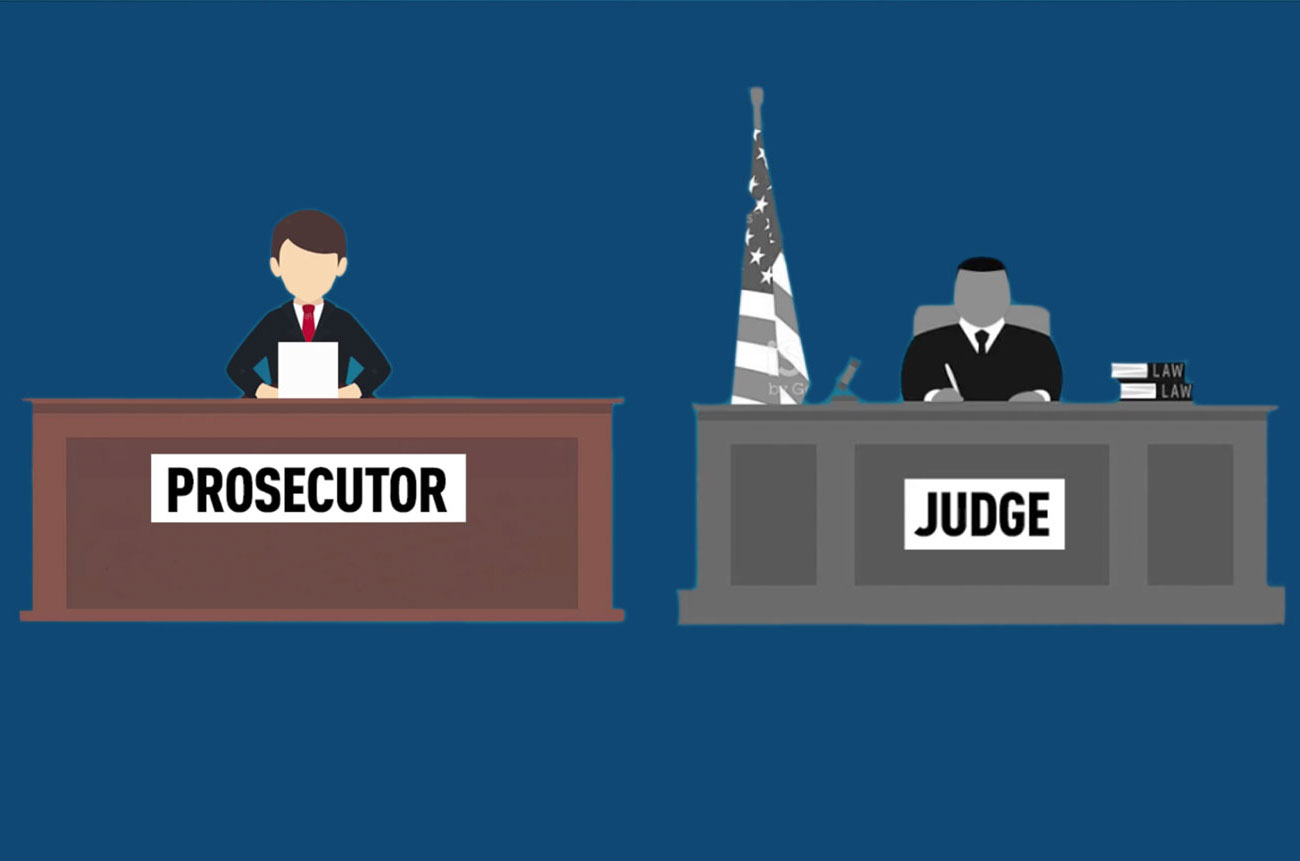
The moment you step foot into a courtroom, you are essentially entering a theater where the drama of justice unfolds. Each participant plays a pivotal role in this intricate narrative, with the arraignment standing as one of the foremost scenes in the legal play. A critical juncture in the judicial process, an arraignment is the initial stage where the accused is not simply a character but the focal point of the plot.
At its essence, an arraignment is akin to a prologue in a literary work. It sets the stage for the subsequent chapters of the legal tale, outlining the stakes and defining the characters involved. This event occurs after the individual has been formally charged with a felony, a severe allegation that carries the weight of significant legal consequences. The air is thick with anticipation, much like before the curtain rises, as all eyes settle on the accused.
During this initial court appearance, the judge plays the role of the narrator, elucidating the charges that the defendant faces. It is essential for the accused to have a firm grasp on these allegations; after all, they are the fulcrum upon which the rest of the trial pivots. If the charges are likened to the plot of a novel, then understanding them becomes imperative for the protagonist. The defendant is often asked how they wish to plead: guilty, not guilty, or in some jurisdictions, no contest. This response will shape the trajectory of the ensuing legal journey.
The dynamics of the courtroom are further enriched by the presence of legal counsel. A defendant is best served by having an attorney, a legal bard who wields the quill of justice on their behalf. The lawyer’s role is not merely to advise but to advocate, ensuring that the defendant’s voice is heard loud and clear amidst the cacophony of legal jargon. For the accused, this is no time for silence; rather, it is a crucial moment to assert their narrative within the legal framework.
As the arraignment progresses, the judge outlines the potential ramifications of the charges. This serves as both a warning and an awakening. The severity of felonies, which can range from serious assaults to grand theft, looms large, much like intricate plot twists that promise to ensnare the reader. The defendant becomes acutely aware that they are not just facing a moment of familial or societal shame, but rather a labyrinth of legal intricacies that could lead to imprisonment, hefty fines, or more severe consequences.
Another layer to this unfolding drama is the stipulation of bail. Here, the court’s designation of bail amount emerges as another character in the narrative, representing the tension between freedom and confinement. Depending on the gravity of the felony, the judge may either deny bail outright or set a high amount, leaving the defendant in a precarious limbo. The discussion surrounding bail encapsulates the struggle for liberty, offering a glimpse into the imprisoned psyche of the accused. The courtroom becomes a battleground where rights clash against suspicions.
What truly magnifies the uniqueness of an arraignment is its transparency. The proceedings are generally open to the public, fostering a communal experience that encompasses family, friends, and sometimes even strangers. This dramatic exposure stands in stark contrast to the solitude that often pervades an individual facing charges. The audience, though silent, bears witness to the unfolding narrative, and in a way, they become a part of the fabric of the accused’s saga. If justice is a tapestry, then the arraignment marks the moment where every thread is woven together, each spectator playing their part in the larger scheme.
Furthermore, the arraignment serves a critical function in ensuring that the rights of the accused are upheld. This is analogous to a pact in storytelling; just as characters have their rights respected within a narrative, so too does the accused have the right to understand the charges against them and to enter a plea. This principle emphasizes the fundamental belief in fair trial rights and the presumption of innocence—a tenet that ensures the accused is not merely a subject of the court but rather an active participant in their fate.
As the curtain falls on this initial scene, the arraignment culminates with the next steps in the judicial process being outlined. The judge may set a date for subsequent hearings, encouraging the defendant to seek out further legal counsel or to engage with their current attorney for strategic preparation. This leads us into the subsequent acts of the trial, where the stakes escalate, unfolding layers of intrigue, evidence, and legal rigmarole. In some cases, negotiations for plea deals may commence, adding another dramatic twist to the unfolding story.
Ultimately, the arraignment is more than just a procedural formality; it symbolizes the beginning of a complex journey through the legal system. It serves as a pivotal moment where the accused is invited to take center stage in their quest for justice. Like an opening scene in a gripping novel, it lingers in the minds of those present, setting in motion a tale filled with potential twists, moral dilemmas, and a quest for resolution. In the grand narrative of the legal system, the arraignment epitomizes both a challenge and an opportunity, compelling everyone involved to reflect on the deeper implications of justice, rights, and the human experience.












