
When it comes to selecting the perfect tire for your vehicle, understanding load range ratings is essential. These ratings can be a mysterious aspect for many drivers, but they serve as the backbone of tire strength and capability. One of the prominent classifications within this arena is Load Range E. So, what exactly does Load Range E mean, and why should you care? Let’s delve into the intricate world of tire load ratings, uncovering the significance, functionality, and benefits of Load Range E tires.
The Basics of Tire Load Ratings
Before exploring Load Range E, it’s crucial to grasp what tire load ratings are. Simply put, these ratings denote the maximum weight a tire can safely support at a specific inflation pressure. Historically rooted in the quest for safety and efficiency, tire load ratings help mitigate the risk of tire failure due to overloading. Each tire bears a sidewall marking, typically indicating its load index and corresponding load range, which helps consumers make informed choices.
Unveiling Load Range E
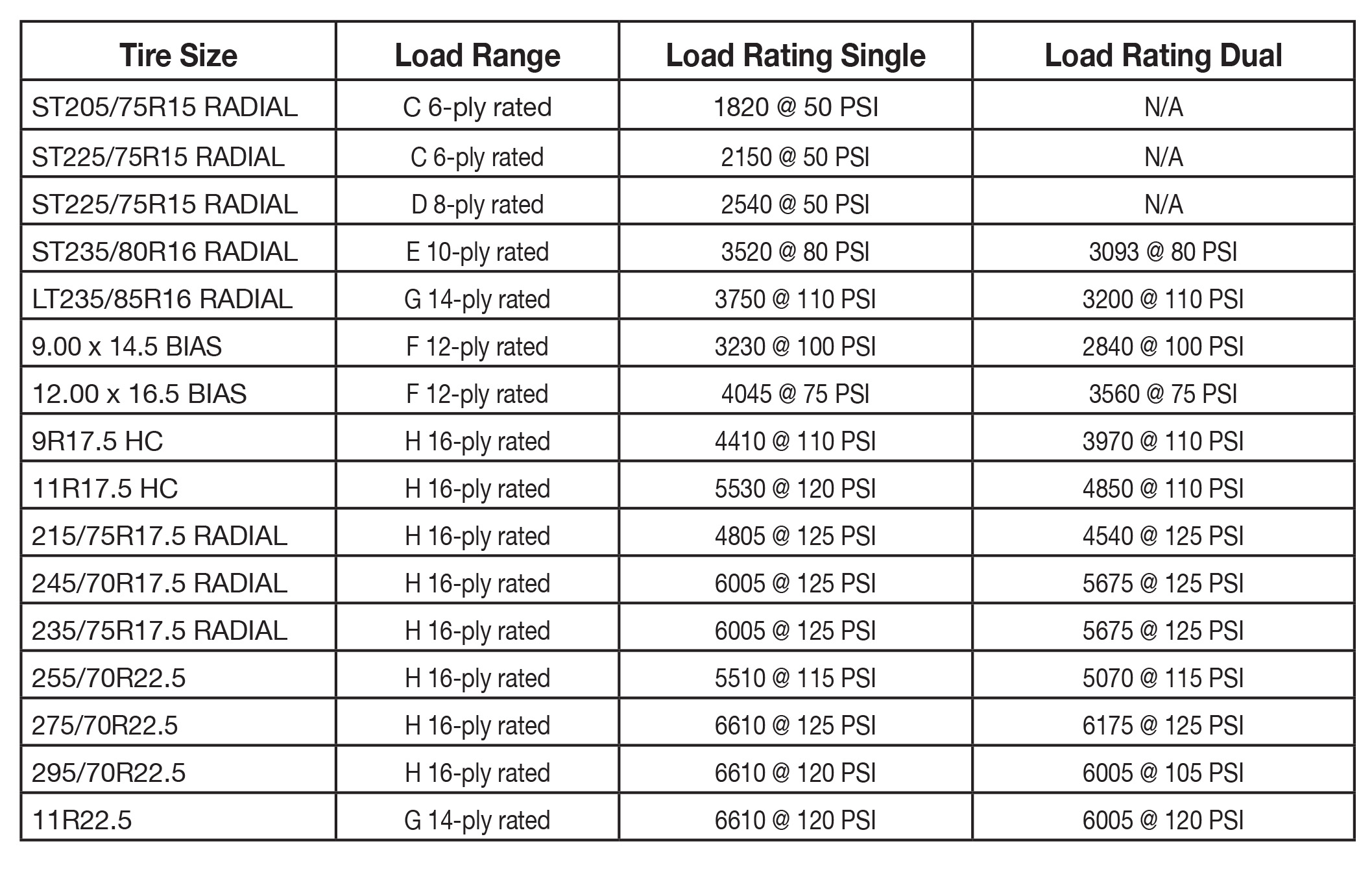
Load Range E tires specifically cater to heavier vehicles, commonly used in light trucks, vans, and larger SUVs. Predominantly, these tires exhibit increased ply numbers—often denoted as six-ply construction—allowing for enhanced durability and performance under load. What makes Load Range E particularly intriguing is its capacity to support a maximum load of up to 3,750 pounds per tire, contingent on proper inflation. This aspect makes it distinctly advantageous for towing, hauling, and off-road adventures.
Deciphering Load Range Designations
Load range ratings are more than mere letters and numbers; they represent a meticulous classification system. Typically ranging from Load Range A to Load Range F, the progression indicates increasing load carrying capacities. For instance, a Load Range D can accommodate around 2,700 pounds per tire, whereas Load Range E outstrips it significantly, illustrating the advantages of investing in higher-rated tires for heavy-duty applications. Quality and performance tailor the experience you can expect, regardless of your vehicle’s requirements.
Why Choose Load Range E Tires?
When curious drivers wonder what benefits Load Range E tires can provide, a plethora of advantages emerges:
- Enhanced Safety: The superior load capacity of Load Range E tires means better stability and control under hefty loads, reducing the likelihood of blowouts or tire-related mishaps.
- Improved Performance: Whether you’re traversing unpaved terrains or towing trailers, these tires lend you that extra confidence, ensuring optimal traction and handling.
- Longevity: Designed with robust materials and construction, Load Range E tires generally enjoy extended lifespans, making them a prudent investment for frequent users.
- Adaptability: They excel in diverse conditions—be it mud, snow, or rocky paths—offering versatility that keeps you prepared for any adventure.
Defining the Transportation Spectrum
Load Range E is often an essential choice for those engaged in demanding transportation tasks. Think of heavy-duty pickups and vehicles used for commercial purposes; they frequently rely on the inherent strength of Load Range E tires to safely transport substantial loads. As such, these tires often find themselves not just on residential roads but also on construction sites, farms, and in various logistical scenarios.
Misconceptions About Load Range E
Despite their acclaim, several misconceptions persist. For instance, some may assume that Load Range E tires are solely for heavy trucks. In reality, they are beneficial for any vehicle that regularly carries heavy cargo or is subjected to rigorous driving conditions. Furthermore, many believe that higher load ranges inevitable lead to diminished ride comfort—a myth that can deter potential buyers. In actuality, advancements in tire technology mean that many Load Range E tires come equipped with design features that ensure a smoother ride compared to their predecessors.
Proper Inflation and Maintenance
Earning a badge of honor in the tough terrain under Load Range E requires diligence in maintenance. Proper inflation plays a cardinal role in ensuring these tires perform as intended. Drivers should regularly check tire pressures and follow manufacturer recommendations for inflation levels to enjoy the maximum load support and longevity these tires promise. From seasonal changes in temperature to frequent driving patterns, staying mindful of tire health can substantially improve their performance and safety.
Making the Right Choice
Choosing between Load Range E and other options ultimately boils down to your unique driving demands. Whether you’re hauling heavy equipment, regularly take off-road adventures, or drive a family vehicle loaded with equipment for weekend getaways, Load Range E tires ensure your journey remains problem-free. The aesthetic of a tire may pique initial interest, but delving into the specifications, particularly load range ratings, will prove indispensable in the long run.
In Conclusion
Load Range E tires represent a pivotal choice for those who demand robustness and reliability. Lightweight sedans and economy vehicles may suffice with lower load ranges, but if your needs involve heavy loads, towing or navigating challenging terrains, investing in Load Range E can prove to be a game changer. The world of tire ratings can seem labyrinthine, yet understanding Load Range E and its myriad benefits invites a paradigm shift in perspective. This enhanced clarity will empower informed choices, ensuring every journey remains safe and enjoyable.












