
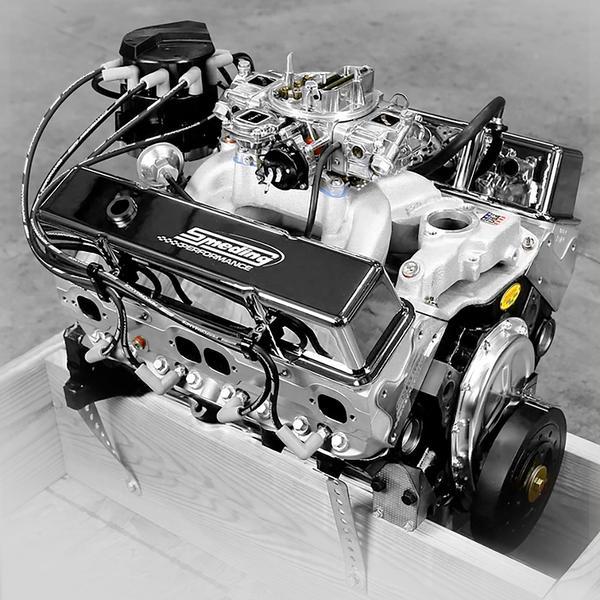
The world of automotive engineering is fraught with acronyms, buzzwords, and technical jargon. Among these, one term stands out: LS. The LS designation has become synonymous with performance, versatility, and power in the realm of Chevy engines. But what does LS truly mean, and why has it garnered such a dedicated following? This article delves deep into the origin, evolution, and performance aspects of LS engines, ensuring that enthusiasts and casual readers alike can appreciate the significance of this iconic name.
1. The Genesis of the LS Engine
The LS engine series originated within General Motors, debuting in 1997 as part of the Chevrolet Corvette C5. Essentially a modern interpretation of the classic small-block V8, the LS series was designed with improved efficiency, power, and reliability in mind. Its innovative architecture incorporates lightweight materials, a robust aluminum engine block, and advanced fuel management systems, positioning it as a cornerstone in modern automotive performance.
This new line of engines has roots traced back to the traditional small-block Chevy engine of the mid-20th century, yet the LS series differentiates itself through its innovative features. Incorporating a single overhead cam design and allowing for greater airflow, LS engines offer an expansive range of horsepower outputs, catering to both everyday drivers and high-performance enthusiasts.
2. Understanding the LS Designation
At the heart of the nomenclature is the “LS” label itself. The ‘L’ represents its lineage in the Chevrolet family, while ‘S’ refers to the modern and sporty characteristics that these engines embody. In essence, the LS designation is not just a model name but also an emblem of performance legacy.
The LS engine series has experienced multiple iterations over the years, with various displacements and power ratings. Among the most revered variants include the LS1, LS2, LS3, and the powerhouse LS7. Each iteration is engineered to cater to specific performance niches, ensuring that there is an LS engine suited for a multitude of automotive applications.
3. Performance and Versatility
When discussing performance, the LS series leaves little to be desired. The versatility of the LS engines extends beyond their capacity for power; they can be found in everything from sports cars to trucks. This adaptability has made them a preferred choice for hobbyists and professional tuners alike looking to enhance performance.
The LS1 engine, for example, produces a robust 305-350 horsepower, depending on the vehicle application, while the LS3 can yield an impressive 430 horsepower right out of the factory. Engine longevity is another hallmark of the LS series, which can often run well past 200,000 miles with proper maintenance, making them an attractive choice for those seeking reliability alongside performance.
Moreover, the LS designs have proven fertile ground for modifications. From supercharging and turbocharging kits to custom exhaust systems and aftermarket tuning options, the LS engine has become a beloved platform for builders looking to extract maximum performance.
4. Innovations and Technologies
Modern engineering innovations are a hallmark of the LS engine lineage. Variable Valve Timing (VVT), electronic throttle control, and advanced fuel injection systems characterize many LS engines, resulting in superior throttle response and fuel efficiency. These technological advancements allow the LS series to stand toe-to-toe with contemporary engine designs, satisfying both spirited drivers and those who prioritize fuel economy.
Additionally, the lightweight aluminum construction offers a significant advantage in road performance, contributing to a lower center of gravity and improved handling. The ability of these engines to produce vast amounts of torque at lower RPMs is another advantage, making them ideal for applications requiring quick acceleration, such as drag racing or off-road scenarios.
5. The LS Community
The LS engine phenomenon transcends the mere mechanics of performance. A vibrant community of enthusiasts has arisen around the LS series, fueled by online forums, social media groups, and car clubs. This camaraderie fosters knowledge-sharing, ensuring that owners are well-equipped with tips, tricks, and innovations to get the most from their engines.
Numerous events celebrate the LS culture, including local and national car shows, drag races, and meet-ups. At these gatherings, owners can showcase their custom vehicles and explore different builds that extend the boundaries of what these engines can achieve.
6. Conclusion: The Enduring Legacy of LS Engines
As automotive technology continues to evolve, the LS engine remains a stalwart in the performance landscape. Its combination of innovation, adaptability, and community camaraderie ensures that the LS storyline is far from over. Whether you are a seasoned mechanic, a car enthusiast, or someone simply looking to understand the allure of Chevy engines, the LS designation stands as a beacon of what modern engineering can achieve.
With roots deeply embedded in American automotive history and branches stretching into the future of performance engineering, the LS legacy is one that will continue to inspire and innovate for generations to come. The evolution of LS engines highlights not only the strides made in performance technology but also the spirit of motoring freedom that drives car lovers to push the limits of what’s possible.












