
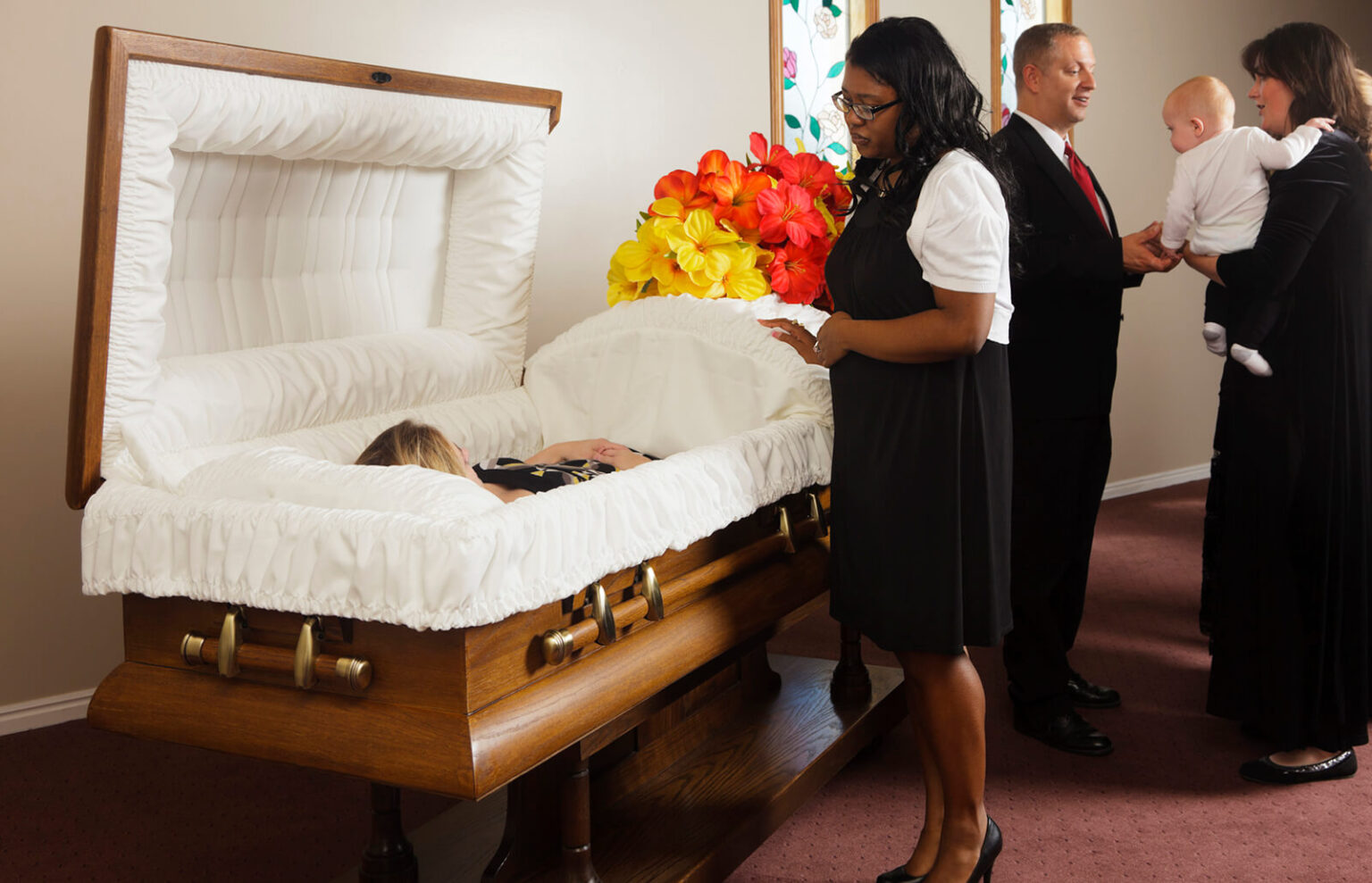
When navigating the complex waters of grief and remembrance, one might wonder: what does an open casket funeral mean? This age-old practice invites participants to confront their emotions in an intimate and often thought-provoking manner. However, it can also pose a challenge for many, as it raises a myriad of questions about cultural practices, personal preferences, and emotional readiness. Let’s explore this multifaceted tradition, uncover its significance, and understand the rich tapestry of rituals it entails.
The concept of an open casket funeral is steeped in tradition. Often, it allows mourners to pay their final respects in a tangible way. Unlike closed casket funerals, where the deceased is obscured, an open casket invites attendees to view their loved one and begin the process of closure. It’s a deeply personal choice, often dictated by the family’s wishes, cultural norms, and individual beliefs about death and mourning.
The Historical Significance
The origins of open casket funerals can be traced back centuries. In many cultures, the practice is believed to be a form of acknowledgement to the deceased, providing an opportunity for friends and family to witness the finality of life. Historically, family homesteads often served as venues for funerals, where the deceased would lie in state, allowing the community to gather, mourn, and celebrate a life lived.
In various cultures, this act is steeped in spirituality. It is not merely a presentation of the body; it symbolizes the belief in the continuation of the soul’s journey. Such rituals can serve as a conduit for both the living and the deceased to transition through grief. The sight of the beloved in their final form can, paradoxically, bring comfort while also serving as a vivid reminder of the inevitable cycle of life.
Understanding the Rites
Open casket funerals often come with their own set of rites and protocols. Typically, the deceased is prepared through a process known as embalming. This meticulous practice ensures that the body is preserved and presented in a manner that honors the deceased’s identity. Embalmers utilize a plethora of techniques, from cosmetic enhancements to rigorous positioning, ensuring that the deceased appears serene and dignified.
However, what if a family opts for a more natural approach? In such cases, particularly within specific cultural or religious subsets, families may choose not to embalm. This decision underscores a belief in the natural decay of the human body, inviting attendees to remember the deceased without artificial interference. Such choices can provoke contemplation about the role of tradition versus modernity in bereavement practices.
Addressing Emotional Readiness
Stepping into a room with an open casket can be an emotionally charged experience. It evokes a range of feelings—from profound sorrow to unexpected joy as memories flood back. Some may find solace in this confrontational approach, whereas others may feel overwhelmed or ill-prepared to engage with such a stark reality. The key lies in understanding personal limits and preparing for this encounter.
Those attending such a funeral are often encouraged to embrace their emotions—confusion, sadness, and even relief are common responses. Recognizing that grief is a unique journey for everyone can foster a supportive environment, allowing mourners to express their feelings openly. It creates a communal space where sharing memories and stories becomes invaluable in the healing process.
Cultural Perspectives
The interpretation of open casket funerals varies greatly across cultures. For instance, in many Western societies, it is commonplace, reflecting values surrounding remembrance and the commemoration of life. Yet in certain Eastern traditions, the practice may look dramatically different. During celebrations of life, aspects of spirituality supersede the physicality of the body, focusing instead on rituals that signify the movement of the soul.
In some Indigenous cultures, for example, the body may be dressed in ceremonial clothing, surrounded by symbolic items. The aim here revolves not just around the physical appearance but the journey towards the afterlife, honoring both the deceased and the natural world around them. These practices can inspire contemplation of how different beliefs shape perceptions of death and its attendant practices.
Modern Interpretations
In recent years, open casket funerals have seen a renaissance. The advent of digital technology allows for innovative tributes—a life’s history can be encapsulated in slideshows, video montages, or even social media posts, offering a multi-dimensional representation of the individual. Such modern approaches complement the traditional open casket by imbuing a sense of nostalgia that transcends mere appearance.
The parallels drawn between digital memorialization and traditional open casket practices illustrate the duality of grief in today’s society: while we simultaneously honor the past, we are also embraced by the future. This amalgamation serves to deepen connections between generations by inviting discussions about death, memory, and legacy.
Conclusion
What does an open casket funeral mean? It is a powerful ritual steeped in historical significance, emotional resonance, and cultural variations. It challenges participants to confront their grief in an environment designed for reflection and remembrance. As families navigate this poignant rite, they often find strength in community, shared experiences, and the collective memory of those they have lost. Ultimately, whether one embraces or retreats from this tradition, understanding its multifaceted layers can provide profound insight into the intricate tapestry of human mortality and remembrance.












