
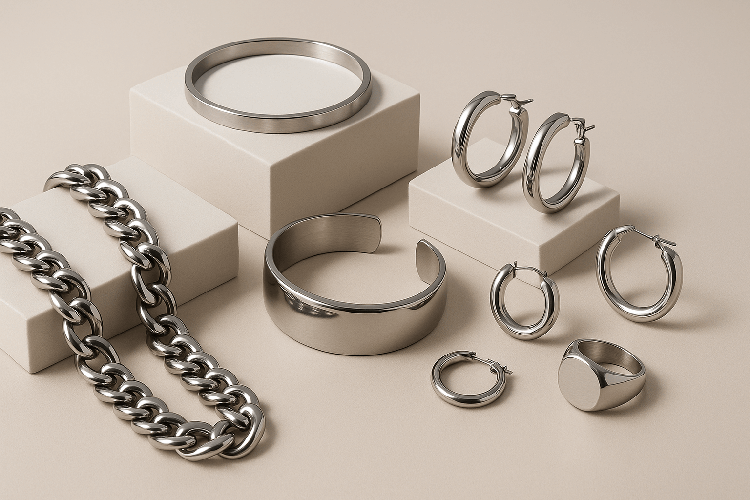
Understanding the intricate world of jewelry markings can often feel like wandering through a maze. Amidst the glimmering chains and intricate designs lies a small yet significant symbol: S925. This enigmatic marking is more than just a number; it encapsulates a promise of quality and authenticity. But what does S925 truly signify in the realm of silver? Let’s embark on a journey to unveil the meaning behind this silver marking, and explore its implications for jewelry connoisseurs and casual wearers alike.
To begin with, the prefix “S” is universally recognized as a denotation for silver. This vital element has been cherished for centuries, revered not only for its aesthetic appeal but also for its malleability and conductivity. The number “925” refers to the percentage of pure silver present in an alloy, indicative of its quality. In essence, S925 jewelry consists of 92.5% pure silver, with the remaining 7.5% predominantly comprised of other metals, typically copper. This unique formula fortifies the silver, enhancing its durability while maintaining the luster that silver aficionados adore.
Delving deeper into the chemistry, the interaction of silver with copper plays a pivotal role. Copper, though less precious, lends strength and bulk to the otherwise soft silver. This amalgamation is crucial for creating jewelry pieces that withstand the test of time, resisting wear and tear while allowing for intricate designs. It is important to note that the practice of alloying silver with other metals has history dating back to the ancient civilizations that recognized silver’s value and sought ways to make it more practical for everyday wear.
The S925 marking serves not only as an assurance of quality but also as a hallmark of authenticity. In a market rife with imitations and deceptive practices, discerning the genuine from the counterfeit becomes paramount for consumers. When you encounter the S925 stamp on a piece of jewelry, it denotes that the item has met specific standards and regulations. This symbol allies itself with the broader international standard for sterling silver, which mandates that true sterling must contain 92.5% silver content.
Interestingly, the nomenclature of S925 is often used interchangeably with “sterling” or “sterling silver,” yet some nuances exist. The term “sterling silver” has historical roots, tracing back to the British currency system in the 12th century, where it referred to a specific silver coin. Today, however, both terms convey the same meaning in contemporary jewelry making. The hallmarking of silver serves as a language of trust, elevating an item’s desirability and allowing consumers to make informed purchasing decisions.
Aside from its quality assurances, the allure of S925 jewelry lies in its versatility. From delicate pendants to robust rings, the malleable nature of the alloy allows jewelers to explore various styles and designs. Moreover, the warm sheen of S925 silver harmonizes splendidly with a myriad of gemstones and materials, making it a favored choice among designers and enthusiasts alike. Whether you seek a classic piece that epitomizes elegance or an avant-garde creation that challenges the norms, S925 is adaptable enough to cater to diverse tastes.
Another fascinating aspect of S925 silver is its resistance to tarnishing, thanks to the copper component that forms a protective layer over the silver. However, even the most resilient materials are not entirely impervious to the elements. Over time, exposure to moisture, air, and chemicals can lead to a natural patina, adding character to the jewelry piece. Many vintage lovers appreciate the charm that tarnished silver provides, as it creates a unique aesthetic that tells a story of wear and time. For those who prefer to maintain the bright brilliance of their jewelry, regular cleaning and proper storage practices can help preserve its original luster.
When exploring the world of jewelry, it’s imperative to understand the significance of care labels and maintenance recommendations accompanying S925 pieces. As with all fineries, the longevity of silver jewelry requires proper care. Avoid exposing your pieces to harsh chemicals found in cleaning supplies and beauty products, as these can compromise the silver’s integrity. Instead, gently clean with a soft cloth or a specialized silver cleaner, ensuring you remove any dirt and oils that may accumulate over time.
Moreover, the narrative of S925 encourages a sustainable approach to jewelry consumption. By choosing pieces marked with this symbol, consumers support craftsmanship that values quality over quantity. In an age where fast fashion reigns, investing in well-crafted silver jewelry signifies a departure from fleeting trends, fostering a more conscious and responsible consumption ethos.
As we conclude this exploration into the meaning of S925, it’s clear that this seemingly small marking is imbued with rich history and significance. It embodies not just a measurement of purity but also a promise of durability, style, and authenticity. Whether you are a seasoned collector or embarking on your journey into silver jewelry, understanding S925 can shift your perspective, enhancing your appreciation for the artistry and craftsmanship encapsulated within each piece. Adorn yourself with knowledge, and let your jewelry choice tell a story of quality and intention.












