
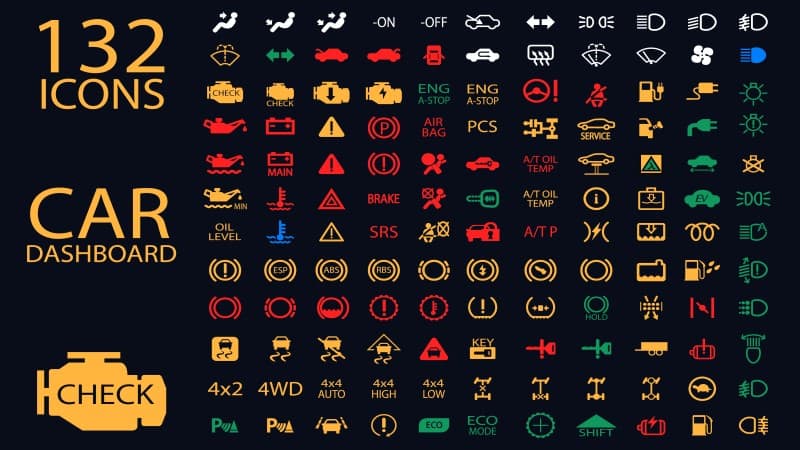
Have you ever glanced at your car dashboard and noticed a mysterious light that gave you pause? One such indicator is the SRS light. But what exactly does SRS mean on a car dashboard? It stands for Supplemental Restraint System, a crucial element in your vehicle’s safety architecture. However, the presence of this light can complicate your driving experience. Let’s unpack the myriad details associated with SRS, exploring its function, importance, and the implications of a malfunction.
The SRS is a network of safety features designed to protect occupants during a collision. While you might be accustomed to seat belts as the primary means of protection, the SRS encompasses additional technologies that work synergistically to mitigate injury. As you drive, various sensors throughout your car monitor an array of conditions. When a collision is imminent, the SRS deploys airbags and activates other safety measures. But what happens when the SRS light illuminates? What challenges does it introduce? This article unveils the answers.
Before diving into implications of the SRS light, let’s explore the components involved in the SRS. At the heart of this system are the airbags—their primary function is to cushion occupants and reduce the risk of bodily harm. Yet, airbags are just one piece of the puzzle. Other elements, such as seat belt pre-tensioners, work to pull the occupant back firmly into their seat before an impact occurs. This dual approach exemplifies a well-orchestrated defense mechanism.
However, an SRS light signaling an issue could mean several things, from a minor concern to a critical malfunction. The dashboard light can illuminate for reasons such as a faulty sensor, a disconnected airbag, or a system that has detected a malfunction in any of its components. When faced with this situation, drivers should not take it lightly. Ignoring it could result in debilitating consequences during a crash.
The SRS system operates in unison with additional safety features found in modern vehicles. For instance, advanced driver-assistance systems (ADAS) rely on real-time data fed from various sensors. This can include adaptive cruise control and lane-keeping assist features that enhance overall safety during driving. When the SRS light is illuminated, it may suggest that some of these interconnected systems are not functioning optimally, leading to broader potential hazards on the road.
So, how should you proceed when the SRS light turns on? The initial step is to pull over safely to avoid putting yourself and others at risk. Once your vehicle is stationary, consult your owner’s manual for specific guidance relating to your make and model. It’s essential to gather insight from the manufacturer regarding what the illuminated SRS light signifies.
If the manual does not provide clarity, seeking professional diagnostic assistance is crucial. Automotive technicians use specialized equipment to interact with your car’s onboard computer, pinpointing the source of the issue. They are equipped to identify whether it’s a simple sensor issue, an airbag that needs attention, or something more complex. Remember, the cost to address these issues upfront is significantly lower than the potential costs from an accident due to compromised safety features.
The implications of an SRS malfunction extend beyond mere inconvenience. Scientific studies have demonstrated that airbags significantly lower the risk of fatal injuries in numerous types of collisions. An operational SRS not only preserves lives but also minimizes the severity of injuries sustained during unfortunate events. Thus, understanding the importance of every safety indicator, including the SRS light, becomes paramount for any conscientious driver.
But let’s entertain a playful notion—imagine a world where all vehicles come equipped with an all-knowing dashboard interface that could narrate the internal dialogue of the car’s systems. What if it could communicate to you, “Hey, I recommend a trip to the mechanic because my SRS component is throwing a fit”? While we await such ingenious advancements in automotive technology, remaining proactive about vehicle maintenance is paramount.
Automobile manufacturers are continually innovating, enhancing the SRS and its capabilities. For instance, modern vehicles may feature sensors that detect passenger weight, ensuring airbag deployment is catered specifically to different occupant sizes. This refinement positively impacts effectiveness and decreases the likelihood of airbags causing injury to smaller passengers.
In summary, the SRS light signifies a crucial alert in your vehicle’s safety infrastructure. Understanding its implications is essential in maintaining your safety and that of your passengers. While the daunting prospect of dashboard warning lights can instill concern, it ultimately empowers drivers to stay informed and proactive. Weaving insights from seasoned mechanics, vehicle manufacturers, and personal vigilance solidifies your ability to navigate such challenges effectively. So, the next time the SRS light graces your dashboard, you’ll be well-equipped to interpret its message and take the necessary steps toward resolution.











