
In the vast oceans of medical terminology, “Pulse Total Oxygen Supply” might seem like an esoteric island, appealing yet difficult to navigate. Understanding this vital concept can be likened to exploring a vibrant coral reef; at first glance, it appears simple and straightforward, but beneath the surface lies a complex ecosystem of interdependent components critical to human physiology. In this article, we will unfurl the complexities of pulse total oxygen supply, diving deep into its significance, measurement, and implications for health.
The Foundations of Oxygen Supply
At its essence, oxygen is the lifeblood of cellular function, the very air we breathe that serves as fuel for our most vital processes. Total Oxygen Supply (TOS) refers to the cumulative amount of oxygen transported throughout the body, encompassing both the blood’s oxygen content and the overall volume of blood circulating at any given moment. This multidimensional metric provides healthcare professionals with a panoramic view of an individual’s respiratory and cardiovascular efficiency.
Understanding Pulse Oximetry
To grasp the nuances of pulse total oxygen supply, one must first become acquainted with pulse oximetry—the primary method for assessing oxygen levels in clinical settings. Think of a pulse oximeter as a small, gentle sentry stationed at the periphery of your circulatory system. By utilizing light wavelengths to ascertain the amount of oxygenated and deoxygenated hemoglobin in your blood, this device can provide instantaneous insights into your oxygen saturation levels.
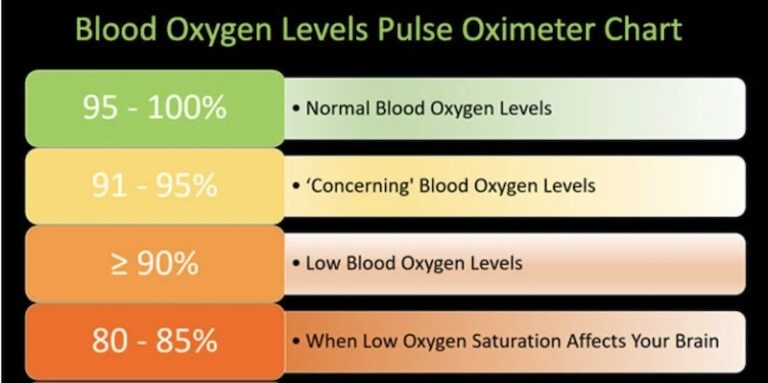
Typically expressed as a percentage, normal oxygen saturation levels hover around 95% to 100%. However, lower readings can signal potential respiratory issues, much like a subtle yet nagging current beneath the surface of a calm sea, calling for further investigation into underlying health conditions.
Components of Total Oxygen Supply
Total Oxygen Supply comprises several key factors, which when viewed collectively, tell a powerful story about the body’s ability to transport this critical element:
- Oxygen Content: The chemical composition of arterial blood, represented as the volume of oxygen bound to hemoglobin, combined with dissolved oxygen in plasma.
- Cardiac Output: The volume of blood the heart pumps per minute; a higher cardiac output typically suggests an enhanced capacity to deliver oxygen substrates to tissues.
- Circulating Blood Volume: The comprehensive measure of blood in the circulatory system; fluctuations can directly impact total oxygen supply.
This triad of components interacts dynamically, much like the intricate relationships among various species in an ecosystem. Understanding how these elements interweave allows for a more profound comprehension of systemic health.
Relevance of Pulse Total Oxygen Supply
The clinical relevance of pulse total oxygen supply transcends mere curiosity; it serves as a critical measure in various medical scenarios. For individuals with chronic pulmonary diseases, such as COPD or asthma, closely monitoring TOS provides vital information regarding the adequacy of oxygenation. Furthermore, during surgical procedures or critical care situations, medical professionals rely on TOS to ensure optimal oxygen delivery, adjusting ventilation strategies according to real-time feedback.
Moreover, assessing TOS is imperative not only for clinicians but also for athletes seeking to maximize physical performance. In the world of high-performance sports, understanding one’s oxygen supply can be the difference between triumph and mediocrity—an invisible shield that protects perseverance and ambition.
Factors Influencing Total Oxygen Supply
As we embark on our exploration of factors influencing TOS, consider the myriad elements that may upset this delicate balance:
- Altitude: Higher elevations diminish atmospheric pressure, reducing the availability of oxygen and requiring physiological adaptations.
- Health Status: Conditions such as anemia, pneumonia, or heart failure may impede the body’s ability to transport and utilize oxygen effectively.
- Fitness Level: Athletes often develop a more efficient oxygen transport system, increasing overall TOS and enhancing endurance.
These factors, akin to external elements impacting a thriving ecosystem, underscore the importance of a multifaceted approach toward maintaining optimal oxygen supply and overall health.
Conclusion: Navigating the Waters of Oxygen Supply
In wrapping up this odyssey through the concept of pulse total oxygen supply, it becomes clear that this metric holds significant value, both for clinical care and personal well-being. The interconnections among oxygen content, cardiac output, and circulating blood volume create an intricate tapestry that reflects the complex nature of the human body.
Our understanding of TOS illuminates paths toward better health, guiding us in our quest to harness the full potential of our respiratory and cardiovascular systems. Thus, as you breathe deeply and move through life, remember that your body is not merely a vessel but a harmonious ecosystem, reliant on the delicate balance of oxygen supply for its vitality and endurance.












