
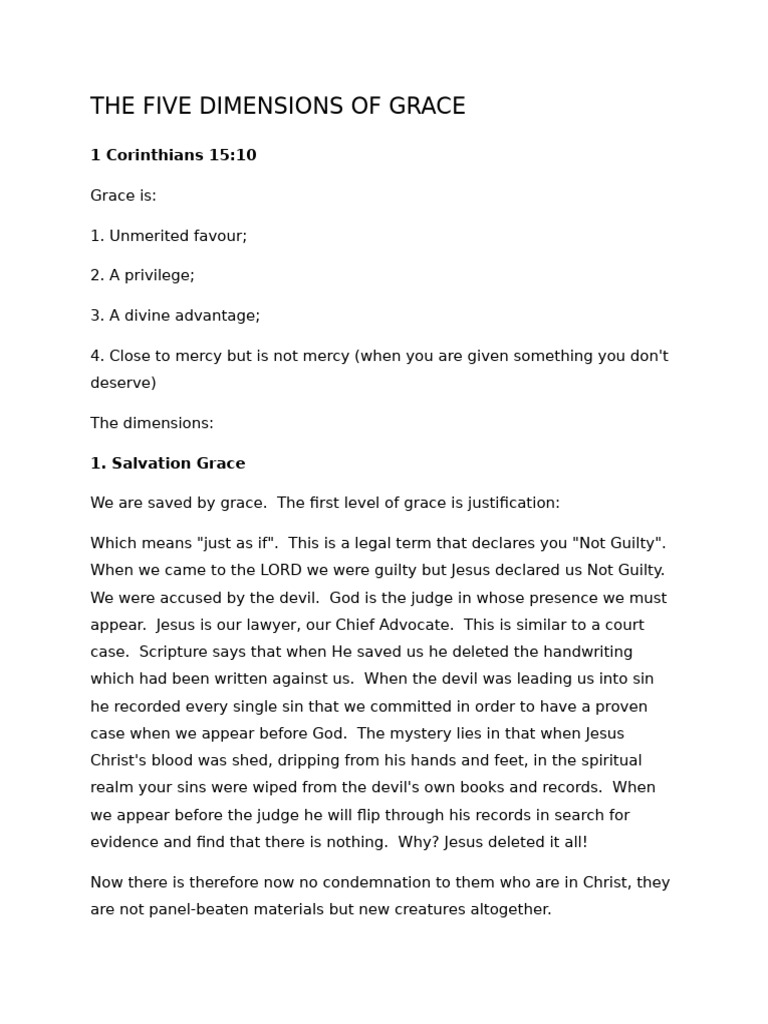
In the tapestry of biblical numerology, the figure five weaves a narrative of profound significance, interlaced with themes of grace and divine benevolence. Throughout sacred texts, numbers serve not merely as identifiers but as vessels of deeper meaning. The number five, standing uniquely in this divine lexicon, encapsulates a powerful symbolism that extends beyond mere arithmetic to touch upon the very essence of grace.
The journey into the essence of the number five begins with its biblical context. Five is often associated with God’s grace—in its multifaceted forms—particularly in how humans receive and express divine favor. From the inception of creation to the advent of Christ, the presence of five resonates through a myriad of scriptural passages, each echoing the notion that grace is granted not through human merit, but as a free gift from the divine.
One of the most striking instances of the number five appears in the story of David, the shepherd boy who would ascend to kingship. The initial moment of his anointment showcases five key stones—smooth and ready to engage Goliath in battle. This selection of stones symbolizes the robustness of God’s grace; just as David emerged victorious not through brute strength but through faith, believers are reminded that grace, like those stones, is multifarious and prepared for overcoming life’s adversities.
Moreover, the Pentateuch, the first five books of the Bible, lays the foundation of divine law and understanding. Here, grace is unveiled as a cornerstone of the covenants between God and humanity. Within these sacred texts, the meticulous laws are underscored by an overwhelming sense of mercy and grace. Each commandment elucidates not just the path of righteousness but the unrelenting pursuit of a relationship rooted in love and forgiveness.
Adding yet another layer, the concept of five is intricately woven into the fabric of the New Testament. When Jesus chose to feed the five thousand with just five loaves and two fish, he demonstrated the abundance of grace available to all. This miracle reinforces the profound truth that while human resources might be perilously limited, divine grace is limitless. It stands as a striking metaphor for the sustenance that faith provides—transcending physical hunger, it nourishes the soul.
In exploring the symbolism further, the number five also represents the five gifts of the Holy Spirit—wisdom, understanding, counsel, fortitude, and knowledge. These gifts empower believers, illustrating that divine grace manifests not only through spiritual abundance but also through daily guidance and strength. This divine assistance is akin to a gentle breeze steering a sailboat; while the boat must set its course, it is the wind that propels it forward. In this light, grace becomes the unseen force guiding individuals through the vicissitudes of life.
To delve deeper, consider the five wounds of Christ during the crucifixion—each lash a testament to the boundless grace extended to humanity. This act of sacrifice encapsulates the core of Christian doctrine, highlighting grace’s duality: the suffering of Christ and the subsequent redemption offered to believers. The wounds transcend pain, illustrating that, through suffering, the most profound grace can bloom. The metaphor of a garden, cultivated among thorns, beautifully relates to this divine grace, symbolizing the intertwined nature of struggle and salvation.
The five dimensions of grace come alive through the lens of personal experience as well. Each individual interacts with grace through different pathways, perhaps likened to the five points of a star. Some may encounter grace through acts of kindness, others within the intimate moments of forgiveness—each dimension reflecting unique facets of grace’s boundless nature. This experiential understanding fosters a greater appreciation for grace as it unfolds in myriad ways, inviting believers to cultivate a deeper intimacy with the divine.
As community plays an essential role in faith, the significance of five takes on additional meaning in the context of fellowship. The early church, often characterized by gatherings of five or more, exuded an atmosphere ripe for grace-filled interactions. Scripture states that “where two or three are gathered in my name, there am I among them,” which underscores the communal dimension of grace. It invites believers to seek relationships that amplify grace, creating a tapestry of support, compassion, and shared journeys. Just as five fingers work in harmony, unity in community endeavors cultivates an environment where grace flourishes.
In summation, the number five embodies a rich and intricate understanding of grace within biblical contexts. As believers reflect on the numerous ways grace manifests in their lives—through stories of triumph, the gifts of the Spirit, the sacrificial love of Christ, personal experiences, and in communal interactions—they are invited to embrace both its simplicity and depth. Just as five fingerlings can create ripples in a pond, so too can acts of grace ripple through the lives of many, transforming despair into hope, and mere existence into a vibrant experience of life filled with divine favor.












