
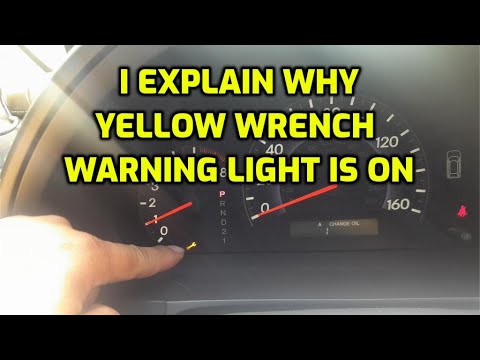
When you embark on a journey in your Ford, every twist and turn of the road unfolds a narrative, a dance between machine and driver. A symphony of lights illuminates the dashboard, each hue whispering secrets about your vehicle’s well-being. Among these luminescent heralds, the yellow wrench light stands out—a poignant symbol girded in mechanical wisdom. What does it mean? It’s an enigma deserving of exploration.
The yellow wrench light, often referred to as the “wrench” or “service indicator,” is akin to a vigilant lighthouse—alerting you to potential concerns that may lurk beneath the surface, unseen and unfelt during your voyage. Unlike a distress signal, it doesn’t scream of calamity but rather murmurs a request for your attention. It suggests that your Ford is yearning for some tender care—a service appointment may be on the horizon.
Understanding the Essence of the Wrench Light
Upon activation, the yellow wrench light alerts drivers that a non-specific issue has been detected by the onboard diagnostic system. It’s a gentle reminder that your automobile has its own set of rituals, akin to a periodic health check-up for humans. Fundamentally, it indicates that the vehicle requires routine servicing or maintenance. This light often appears after a predetermined mileage has been reached, setting it apart from other alerts that suggest immediate attention to critical engine or safety systems.
What Triggers the Wrench Light?
Understanding what triggers the yellow wrench light can feel like deciphering a complex code, but its language is fundamentally straightforward. Several potential factors may entice its glow:
- Scheduled Maintenance: Ford vehicles are imbued with automotive intelligence, prompting this icon to flash as a reminder that it’s time for an oil change, filter replacement, or tire rotation. Machinery demands routine nourishment akin to ensuring your garden receives enough water and sunlight.
- Systems Check: This light could indicate that certain systems, like the transmission or powertrain, are ready for inspection. Detecting issues early can circumvent potentially hefty repair bills later—like catching a cold before it escalates to the flu.
- Software Updates: Just as we periodically upgrade our software to enhance performance, Ford vehicles may require updates to their software systems. The wrench light might illuminate as a subtle nudge for you to visit a dealership or a qualified technician.
- Inspection Needed: Any deviations in performance or efficiency, such as an unusual noise or a drop in fuel economy, could activate this light, hinting at areas requiring further inquiry. It’s the automotive equivalent of a watchful parent noticing their child’s sudden shift in behavior.
Distinguishing the Wrench Light from Other Indicators
In the orchestra of dashboard lights, differentiation is key. The yellow wrench light is not a harbinger of doom like the red warning lights associated with brakes or engine failures. In contrast to the crimson hues, which demand immediate action, the yellow wrench beckons you to make an appointment—a reminder to care for your vehicle akin to nurturing a cherished pet in need of a vet visit.
Other lights, like the check engine light, can often evoke a visceral reaction; they amplify anxiety with their ominous glow. In this realm, the wrench is a more benevolent presence, permitting you to breathe, to contemplate, and to act in due time. However, continual activation of the yellow wrench light may necessitate further attention—think of it as an echo reverberating through the halls of your car’s consciousness, signaling the need for deeper examination.
When to Respond
Once the yellow wrench light flickers, what should your next steps entail? Approach the situation with an inquisitive mind. Book an appointment with a certified Ford technician to elucidate the underlying cause. Just as you would consult a physician over an unexplained ailment, entrusting your vehicle to an expert is prudent. After all, vehicles are intricate tapestries woven with components that work in concert; untangling the threads often requires specialized knowledge.
Additionally, consult the owner’s manual—your veritable treasure trove of automotive wisdom. It contains insights specific to your model that can shed light on the recent disturbances in the dashboard’s ambiance. Ignoring the light might lead to unforeseen consequences, taking you down a twisted path of complications that could otherwise have been avoided.
Proactive Maintenance: Beyond the Wrench Light
While the yellow wrench light serves as a reactive measure, embracing a proactive approach to maintenance can forestall its emergence altogether. Routine inspections and adhere to a strict schedule for oil changes, tire rotations, and fluid replenishing can do wonders for your Ford. Think of this regular cadence as the heartbeat of your vehicle—a steady rhythm ensuring longevity and reliability.
Fuel your Ford’s vitality by noting the intervals for service—think of this as a dance, with rhythm and grace. If you maintain a harmonious interval, you may never even see the yellow wrench light glow. Investing in your vehicle today can yield dividends in safety, performance, and peace of mind tomorrow.
The Final Sentiment
In the grand tale of transportation, the yellow wrench light serves as a sentinel—both a warning and a reassurance. It embodies the intricate relationship between driver and machine, where awareness and care pave the way for a smoother journey. As you traverse the highways and byways, heed its glow, for it whispers the secrets of your vehicle’s health and beckons you toward auto-mobility mastery. With attentive stewardship, your Ford can remain a steadfast companion for many adventures to come. So, keep the wrench light’s message close to heart, and let it guide your vehicular voyage through the nuances of maintenance and care.












