
Understanding Scleral Lines: A Window into Your Eye Health
Eyes are often referred to as the windows to the soul, but they also serve as an invaluable indicator of overall health. Among the myriad of eye-related terminologies, scleral lines—the delicate boundaries where the white of the eye (sclera) meets the cornea—play a pivotal role in our understanding of ocular health. This seemingly mundane feature of human anatomy holds profound implications. What do your scleral lines signify, and why should you pay attention to them? Let’s delve into the depths of this captivating subject.
The Basics: What Are Scleral Lines?
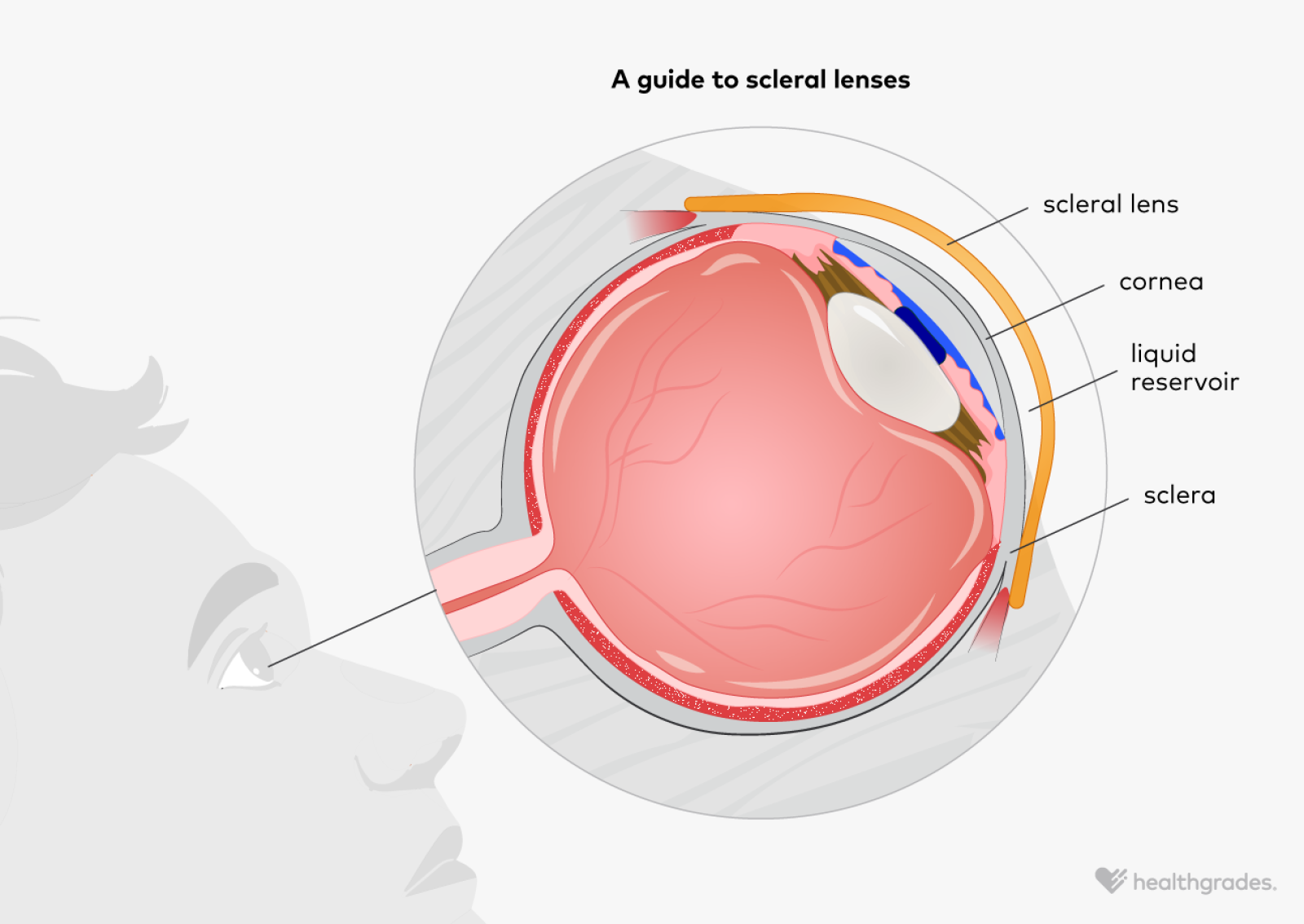
The sclera, that robust white covering of the eye, is more than just a passive protector. Scleral lines reference the distinct border wherein the sclera meets the cornea, the transparent dome that covers the front of the eye. It is this junction that can tell tales of varied physiological conditions. Strikingly, the appearance of these lines can vary based on myriad factors, including environmental influences, systemic diseases, or even lifestyle choices.
Curiosity-Invoking Changes: What Do Variations Mean?
When examining scleral lines, their coloration, prominence, and overall condition can provide critical insights. For instance, a starkly defined line may indicate a healthy eye, while discoloration can be a harbinger of underlying issues. Yellowish hues might suggest the presence of bilirubin, hinting at liver dysfunction or jaundice, while a bluish tint could indicate conditions such as osteogenesis imperfecta or certain types of connective tissue disorders.
Diagnosing with Scleral Lines: The Art of Observation
Clinicians and healthcare providers often rely on a comprehensive eye examination to interpret the information embedded within scleral lines. The subtleties can be striking. A gradual blurring of this line might suggest aging or the onset of corneal diseases, such as keratoconus. In contrast, a clear and well-defined junction is typically indicative of well-maintained ocular health. The challenge, however, lies in distinguishing benign variations from those that warrant further examination and intervention.
Age-Related Changes: A Natural Evolution
As one ages, the scleral lines may undergo transformation. Reduced elasticity in surrounding tissues can lead to a noticeable fading of these borders. This phenomenon is often accompanied by alterations in eye color, such as a more pronounced yellowing or, in extreme cases, a condition known as pinguecula, reflected by growths on the conjunctiva, lending a more protruding aspect to the scleral line. Such changes should be observed thoughtfully, as they may not always symbolize decrepitude but rather a natural progression of ocular maturity.
Environmental Impacts: The External Influences
The environment undoubtedly plays a critical role in our ocular health. Factors such as UV exposure, pollution, and digital screen time can contribute to the modifications of scleral lines. For example, excessive sun exposure without adequate protection can lead to pterygium: a fleshy growth resulting from excessive irritation, which can encroach on the scleral boundary and disrupt vision. Understanding the link between environmental aspects and ocular health invites us to take proactive measures, including regular eye protection and conscious limitations on screen time.
Lifestyle Choices: The Internal Influences
There exists an intrinsic connection between lifestyle and eye health. Nutritional choices—particularly the intake of omega-3 fatty acids, antioxidants, and hydration—can manifest visibly in the sclera. Inadequate hydration can lead to a dull appearance, while a balanced diet may yield a vibrant scleral line, signaling excellent overall health. Smoking, on the other hand, can result in an array of ocular impairments, including scleral discoloration and reduced vision quality. Recognizing these correlations empowers individuals to make informed decisions regarding their health and wellness.
Conjunctival Injection and Its Relevance
Moreover, conjunctival injection—characterized by redness in the scleral area—can indicate various underlying concerns. Allergies, infections, or chronic conditions may trigger vascular dilation and redness, signifying that your scleral lines are trying to communicate an underlying issue. Response to irritants, whether from allergenic substances or infections, can be critical indicators of health, thereby warranting further investigation.
The Importance of Regular Eye Check-ups
A nuanced interpretation of scleral lines highlights the necessity for regular eye examinations. Early detection of potential eye diseases is paramount, especially since many ocular conditions can be asymptomatic until they reach advanced stages. Eye professionals can elucidate the significance of changes in scleral appearance, guiding individuals towards preventive measures or treatments before conditions escalate.
Final Thoughts: An Invitation to Observe
Scleral lines, while often overlooked, serve as a fascinating lens through which to view our overall health. By cultivating awareness of these ocular features and their implications, individuals can engage in proactive health management. From diet to environmental exposure and routine eye examinations, the choices we make collectively influence the health of our eyes and, by extension, our quality of life. So, take a moment to appreciate your scleral lines—they are more than just a feature; they are a narrative of your health and well-being.











