
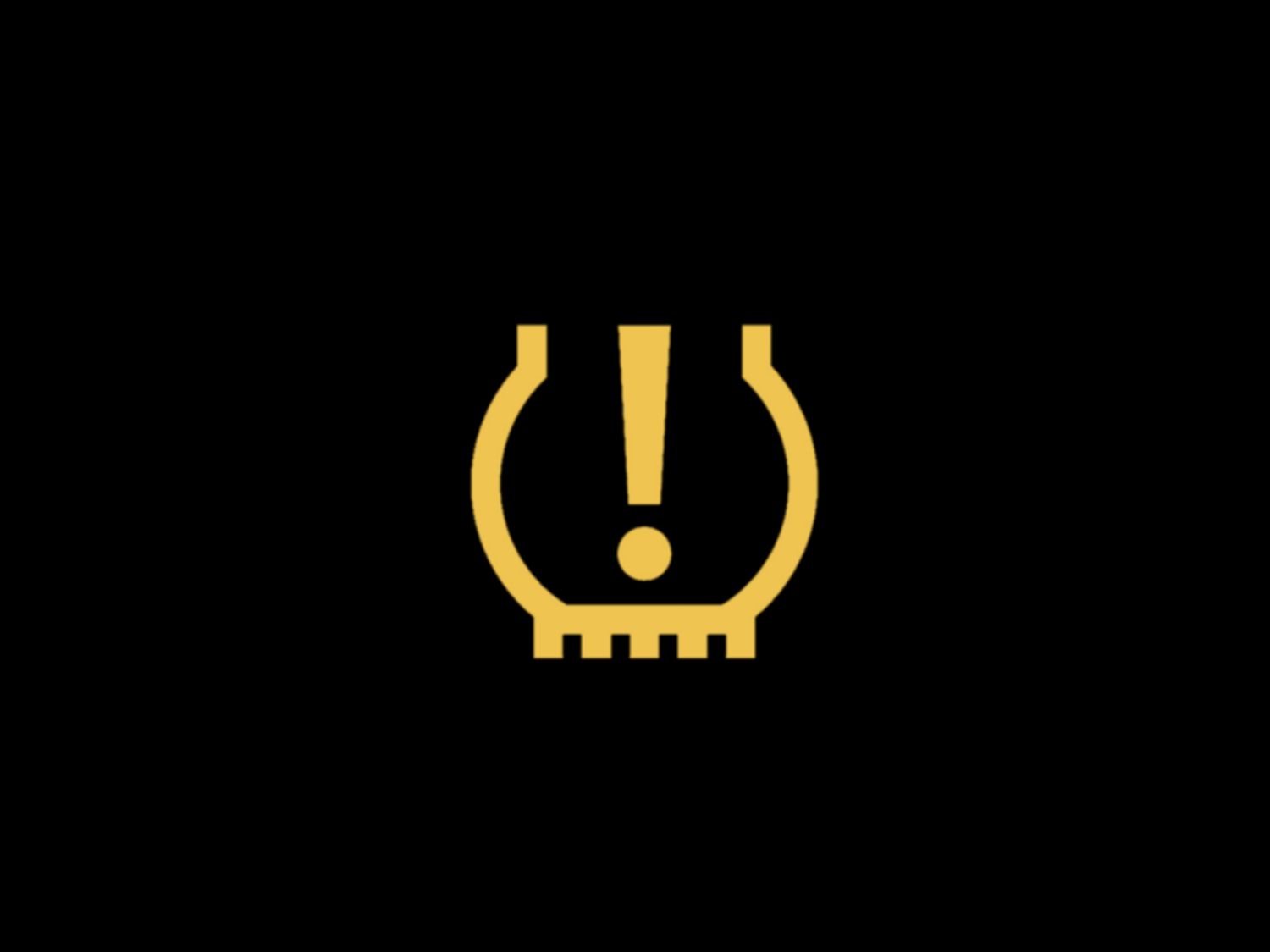
In the realm of automotive maintenance, few warnings evoke as much concern as the illuminated tire pressure light on your dashboard, particularly when it begins to flash. This seemingly innocuous light, often dismissed until it becomes a pressing issue, serves as a critical indicator of the condition of your vehicle’s tires. The flashing tire pressure light can be more than just an inconvenience; it can signify various underlying problems that demand attention.
When the tire pressure light begins to flash, it typically indicates a malfunction or a more severe issue beyond simply low tire pressure. The initial reaction for many drivers may be to disregard it, perhaps assuming it is a temporary glitch. However, this could not be further from the truth. Understanding the implications behind a flashing tire pressure light can not only prevent potential accidents but also safeguard your investment and enhance overall vehicle performance.
First and foremost, it is essential to recognize that tire pressure monitoring systems (TPMS) are designed to alert drivers to potential tire issues. When functioning optimally, these systems provide real-time data about the air pressure in each tire, alerting you when they leave the manufacturer’s recommended range. A steady tire pressure light generally indicates that one or more tires are significantly under-inflated, necessitating immediate attention. Conversely, a flashing light often suggests a fault within the TPMS or indicates that the system is unable to ascertain the pressure levels accurately.
To delve deeper into the mechanics of the flashing tire pressure light, one must consider the contexts under which it can activate. The most commonplace reason is a tire losing air—whether due to a puncture, a slow leak, or even natural permeation that occurs over time. Additionally, drastic temperature fluctuations can affect tire pressure; cold weather can cause a decrease in tire inflation, leading to the same alert. In regions where temperature variations are stark, this becomes an essential factor. Humidity and atmospheric pressure can also play significant roles, but they are lesser-known contributors to tire health.
Another crucial aspect to consider is the winter season. In colder months, drivers often notice that their tire pressure warnings become more frequent. This phenomenon occurs because tires lose roughly one psi (pound per square inch) for every 10-degree Fahrenheit drop in temperature. Continued exposure to frigid conditions can exacerbate this issue, making it even more important to monitor the flashing warning light as the cold sets in.
Yet, the implications of a flashing tire pressure light extend beyond the scope of mere air pressure. A malfunctioning TPMS itself could be the culprit. This sophisticated system can fail due to a variety of reasons, including battery depletion in the tire pressure sensors, wiring issues, or even software glitches. If the light continues to flash despite frequent checks on tire pressure and inflation, it’s prudent to consult with a professional mechanic to diagnose the TPMS thoroughly. Ignoring a malfunctioning TPMS could lead to hazardous driving conditions—ultimately jeopardizing safety on the road.
In addition, tire pressure can fluctuate depending on how heavy your vehicle is loaded. Overloading your vehicle leads to excessive stress being placed on tires, which can cause uneven wearing and, thus, disruption in the TPMS readings. If the pressure light starts flashing after a trip where your vehicle was heavily loaded, it may indicate an underlying issue related to improper load management.
Beyond the technicalities, the flashing tire pressure light resonates with drivers on a psychological level. The anxiety it incurs invokes a deeper fascination with our vehicles as extensions of ourselves. This warning light forces one to contemplate the critical relationship between safety, maintenance, and the functionality of a seemingly mundane part of everyday life—our tires. Engaging with this symbol of caution inspires a profound appreciation for engineering and the intricate systems that sustain our mobility. Tire care thus transcends routine maintenance, evolving into a practice of responsibility, awareness, and respect toward one’s vehicle.
While immediate action is crucial when faced with a flashing tire pressure light, it also serves as an impetus for drivers to cultivate ongoing awareness of their vehicle’s health. Regular tire maintenance that encompasses checking pressures, rotations, and inspections can avert greater issues down the road. A mindful approach fosters a relationship with your vehicle that is predicated not solely on convenience but also on proactive care and diligence.
In conclusion, a flashing tire pressure light is far from a trivial annoyance; it is a vital component of automotive safety that conveys significant information about the state of your tires and vehicle. By understanding the multifaceted reasons behind its activation, drivers can develop a more profound affinity for proper vehicle maintenance and a heightened consciousness of their driving experience. The simple act of monitoring tire pressure thus becomes a gateway into a larger world of automotive knowledge and appreciation—a quest that satisfies both the practical and inquisitive aspects of human nature.












