
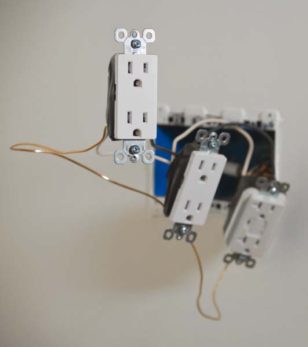
An open ground outlet is not merely a technical jargon; it is a potential Pandora’s box, waiting to expose unsuspecting individuals to electrical hazards. When you plug in your appliances or devices, you might think all is well, but lurking beneath that seemingly innocuous surface is a serious safety issue. Understanding an open ground outlet is paramount for both the average homeowner and the astute DIY enthusiast.
To elucidate this matter, let us embark on a journey through the intricate landscape of electrical systems—a world where electrons dance and conduits pulse with hidden power. The concept of grounding is foundational, a silent protector akin to an invisible guardian that shields our electrical devices from the perils of excess voltage. Without it, we sail unmoored on a tempestuous sea of electrical uncertainty.
Understanding Electrical Grounding
The very essence of electrical grounding lies in its ability to direct excess electricity away from the devices we cherish dearly. Think of it as a safety net that catches stray currents, preventing damage to both appliances and, more importantly, the users interacting with them. Grounding offers a low-resistance path that ensures any fault current is safely diverted to the earth, mitigating the risk of shock or fire hazards.
An open ground outlet, however, exists where this integral safety net has torn. In this scenario, the outlet is missing a connection to the grounding wire, leaving it susceptible to fluctuations that could energize the outlet without a way to safely disperse excess energy. When you encounter an open ground outlet, it stands as an incomplete symphony—notes playing without harmony, creating a disconcerting cacophony that can lead to dire consequences.
The Implications of an Open Ground Outlet
Without grounding, the risk of electrical shock escalates dramatically. Imagine using an appliance that requires grounding, such as a three-pronged plug, at an open ground outlet. If a fault occurs within that appliance, the electrical current has no safe route to ground, leaving it to travel through anything it touches—your body included. This precarious situation transforms everyday tasks into deadly gambits.
Moreover, the implications extend beyond shock hazards. An ungrounded outlet can wreak havoc on sensitive electronic devices, leading to premature failure or erratic behavior. Equipment that relies on stable currents—the lifeblood of modern electronics—might falter in an ungrounded state. Such is the nature of electrical systems; they thrive on order and predictability, and an open ground disrupts this equilibrium.
Identifying an Open Ground Outlet
To ascertain whether you’re dealing with an open ground outlet, familiarity with electrical testing devices becomes crucial. A simple plug-in outlet tester can illuminate the situation; green lights signal safety, while a red light indicates trouble—an open ground among other wiring issues. Such devices are readily available and should serve as an essential tool in every household.
However, more intricate inspections may require the expertise of a qualified electrician. A thorough assessment could involve scrutinizing the wiring behind the wall or verifying the integrity of the grounding system throughout the entire home. Just as one might check the foundation of a building, so too should one verify the grounding integrity of a property.
Rectifying Open Ground Outlets
Once identified, an open ground outlet demands rectification. The remedy is not to cover the problem with risibly short-term solutions like using a three-prong to two-prong adapter, which merely exacerbates the issue. It is imperative to reestablish a functional ground wire connection, either by upgrading the existing outlet or replacing it entirely.
In some cases, a ground wire may be absent due to the age of the home. In that situation, an electrician might need to run new wiring or employ alternative grounding techniques, such as using the plumbing system for grounding purposes. Each remedy presents its own set of challenges, akin to navigating a labyrinth, but the security gained is worth the effort.
Emphasizing Electrical Safety
Electrical safety is not solely about ensuring your outlets are functional; it hinges on understanding the entire electrical ecosystem of your home. Educating oneself about grounding and recognizing the signs of potential hazards creates a culture of safety. Consider this your arboretum of knowledge that flourishes with awareness, perpetuating the health of both your environment and your well-being.
Fostering a mindset of proactive measures extends beyond immediate landscapes. It encompasses regular checks of all electrical installations, clean circuits devoid of frays or damages, and ensuring that all outlets meet current electrical codes. Each action reinforces the invisible barriers protecting you from unforeseen electrical dangers.
Conclusion
In the end, the echoes of an open ground outlet should not be ignored. Just as an artist respects each stroke on the canvas, so too should homeowners honor the delicate intricacies of their electrical systems. Grounding is a critical element that ensures the dance of energy remains safe and harmonious, allowing our lives to be illuminated without fear or trepidation.
So, as we continue to weave through the fabric of modern living, let us remember that safety begins at the outlet—one grounded connection at a time.












