
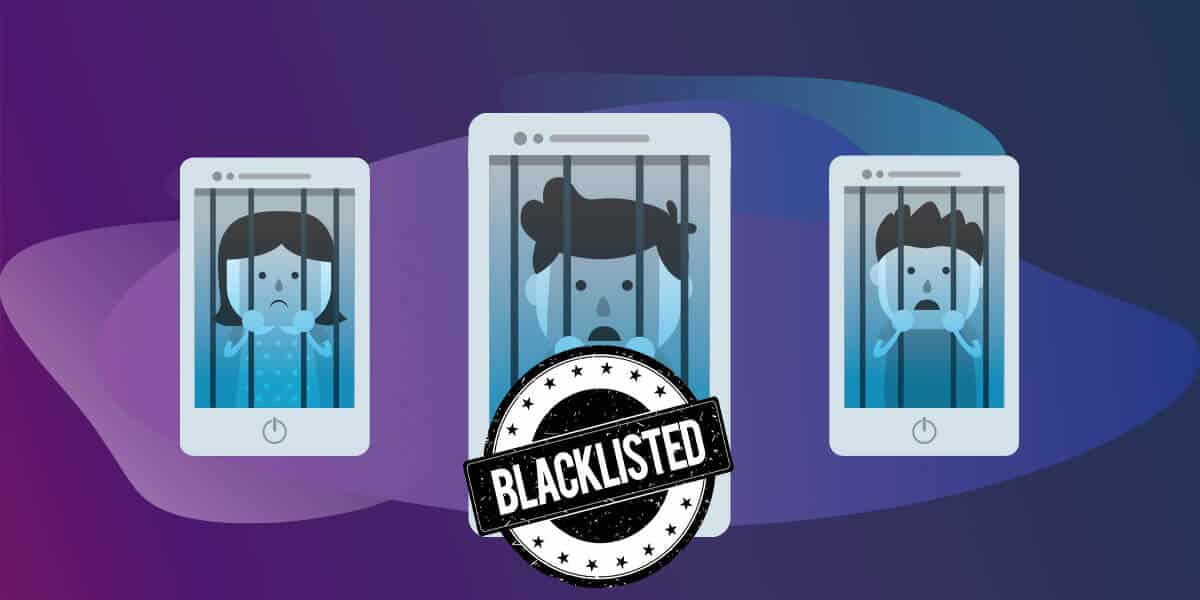
In the realm of mobile devices, the term “blacklisted phone” often surfaces in discussions surrounding device usability and ownership rights. The concept of blacklisting typically refers to a smartphone or mobile device that has been reported lost, stolen, or associated with fraudulent activities and, as a result, is barred from accessing cellular networks. This comprehensive guide delves into the intricate nuances of blacklisted phones, elucidates the implications of such a status, examines the ramifications for users, and outlines potential remedies for those caught in these unfortunate circumstances.
Understanding the Blacklist: What Is It?
The blacklist refers to a central database maintained by network carriers, which tracks devices that have been flagged for various unscrupulous actions. This database is an essential tool for carriers to minimize fraud and to protect both themselves and consumers from illicit activities. When a phone is blacklisted, it effectively loses its ability to connect to mobile networks, rendering it useless for calls, texts, or mobile data functionalities.
Reasons for Blacklisting: Why Are Phones Blacklisted?
There are multifarious reasons a phone might be added to a blacklist, including:
- Theft: If a device is reported stolen, it is quickly added to the blacklist. This prevents the thief from utilizing the device on any network, as carriers can identify it through its IMEI (International Mobile Equipment Identity) number.
- Fraudulent Activity: Many devices are blacklisted due to involvement in fraudulent schemes, such as phishing or loan fraud, where devices are purchased with stolen identities or credit cards.
- Unpaid Balances: Carriers may blacklist a device if the original owner has an outstanding balance or has defaulted on a payment plan.
- Changing Ownership: If a phone is sold and the new owner does not verify its status, the original owner may report it lost or stolen, leading to blacklisting.
Understanding these reasons is crucial as it helps consumers distinguish between devices with malignant histories and those that may have simply fallen prey to unfortunate circumstances.
How to Check If a Phone Is Blacklisted
Checking a phone’s blacklist status is easier than one might anticipate. Several online resources provide services to verify whether a device is blacklisted. Here are some methods:
- Carrier Checking: The most reliable source is the carrier from which the phone originates, as they can confirm the status through the device’s IMEI number.
- Third-Party Services: Various websites offer IMEI checking tools that range from free to paid services. These platforms will indicate whether a phone is blacklisted based on multiple carrier databases.
- Manufacturer Services: Occasionally, manufacturers, such as Apple and Samsung, provide support to verify device status through their official websites.
Identifying a blacklisted phone is a critical step for consumers looking to buy pre-owned devices or for those whose devices may have been reported.
Implications of Owning a Blacklisted Phone
Owning a blacklisted phone comes with substantial drawbacks:
- No Network Access: The primary consequence is the inability to connect to cellular networks, which directly impacts communication capabilities.
- Resale Value Plummets: The market value of a blacklisted phone drops dramatically, as potential buyers are often apprehensive about acquiring devices with dubious histories.
- Frustration and Inconvenience: Users may find themselves frustrated by their inability to utilize features that rely on network access.
Furthermore, the emotional turmoil associated with losing access to one’s device can contribute to a greater sense of vulnerability in an increasingly connected world.
Possible Solutions for Blacklisted Phones
For individuals who find themselves in possession of a blacklisted phone, there are several avenues to explore:
- Contacting the Original Carrier: If the phone was traded or purchased from someone who unknowingly sold a blacklisted device, contacting the original carrier can sometimes lead to resolving the issue. If the blacklist status was incorrectly applied, the carrier may be willing to restore services.
- Clearing Unpaid Balances: In cases where the blacklisting is due to outstanding payments, resolving these debts may facilitate the removal of the device from the blacklist.
- Device Unlocking Services: Certain companies specialize in removing devices from blacklists, but these services may come at a cost and are not guaranteed to work legally.
Exploring these options requires diligence and understanding the potential risks involved.
Prevention: How to Avoid Buying a Blacklisted Phone
Preventing the purchase of a blacklisted phone is paramount for savvy consumers. Consider the following measures:
- Research Before Purchase: Always check the IMEI status before buying a used device, regardless of the seller’s reputation.
- Secure Purchase Platforms: Utilize reputable sites and platforms that offer buyer protection and guarantees against selling blacklisted devices, such as certified refurbished programs.
- Educate Yourself: Familiarize yourself with common scams surrounding device sales and how to recognize red flags.
Understanding the implications, prevention methods, and recourse options for blacklisted phones empowers consumers with the knowledge necessary to navigate the mobile device landscape prudently. In a world where smartphones are an extension of ourselves, safeguarding against blacklisting is crucial. Being informed is your armor against becoming ensnared by an unfortunate phone status.












