
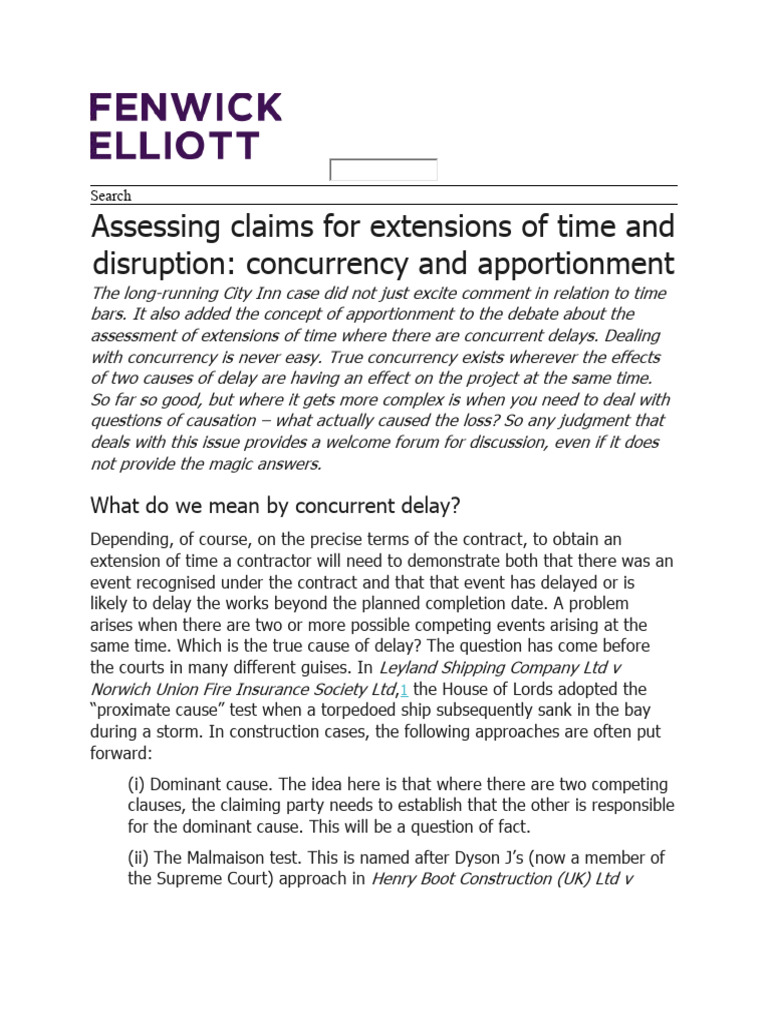
In the intricate labyrinth of legal terminology, understanding the nuances of concurrent claims is paramount for anyone navigating the judicial system, whether as a litigant or a casual observer. Concurrent, in a legal context, refers to multiple claims or actions occurring simultaneously. This concept engenders a plethora of implications across various legal disciplines, playing a vital role in civil litigation, criminal law, and contract disputes. Here, we delve into the multifaceted dimensions of what “concurrent” entails in court, presenting a comprehensive overview of its various applications and manifestations.
1. Defining Concurrent Claims
At its most fundamental, a concurrent claim arises when two or more legal claims are pursued at the same time, either within the same lawsuit or across separate legal proceedings. This simultaneous pursuit can involve claims of different natures, such as tort, contract, or statutory claims. The essence of concurrency lies in the overlapping nature of the legal issues or factual circumstances central to the claims being asserted. Understanding the dynamics of concurrent claims is crucial, particularly in jurisdictions where complex procedural rules dictate how such claims are managed.
2. Types of Concurrent Claims
Various forms of concurrent claims exist, each catering to distinct legal scenarios. Broadly, these can be categorized into:
- Concurrent Civil Claims: In civil litigation, claims related to negligence, breach of contract, or tortious acts can be concurrently pursued. For instance, a plaintiff injured in an automobile accident might file concurrent claims for personal injury damages and property damage.
- Concurrent Criminal Charges: In criminal law, an individual may face multiple charges stemming from a single incident. For example, an individual charged with both assault and battery arising from the same altercation is confronting concurrent criminal charges.
- Concurrent Administrative Actions: Sometimes, entities may engage in concurrent administrative proceedings while also pursuing judicial remedies. For instance, a business might be subject to regulatory investigation while simultaneously contesting regulatory actions in court.
3. The Legal Implications of Concurrent Actions
Engaging in concurrent claims invites several legal implications. One primary concern is the issue of res judicata, which prevents the re-litigation of claims that have already been adjudicated. When parties pursue concurrent claims, they risk having their defenses and arguments scrutinized across different forums, which can complicate the overall litigation strategy. Furthermore, the possibility of inconsistent rulings looms large; if two courts arrive at divergent conclusions regarding the same issue, parties face the dilemma of reconciling these incongruent judgments.
4. Strategic Considerations in Pursuing Concurrent Claims
Litigants must astutely consider the strategic elements involved in concurrent claims. Timing is paramount; initiating multiple claims can lead to accelerated resolution or prolongation of the litigation process. Parties may opt for a concurrent approach to amplify legal leverage or in pursuit of better settlement opportunities. However, this strategy is not without its pitfalls. Legal counsel must assess the compatibility of claims and ensure they do not inadvertently undermine one another, thus jeopardizing the entire case.
5. Joinder of Claims and Parties
Legal frameworks often present mechanisms for the joinder of claims and parties. In many jurisdictions, plaintiffs can combine multiple claims in a single action if they arise from the same transaction or occurrence. Understanding the rules governing joinder is essential for practicing attorneys, as it can significantly influence case management and trial strategy. Moreover, procedural rules related to concurrent claims help streamline judicial resources, allowing for a more efficient resolution of interrelated issues.
6. Concurrent Liability: A Critical Component
Concurrent liability refers to the scenario in which multiple parties bear responsibility for the same damages or injuries. For instance, in a scenario where a defective product causes harm, both the manufacturer and retailer may be concurrently liable to the injured party. This principle often complicates litigation, as plaintiffs must navigate the intricacies of attributing fault and determining liability among various defendants.
7. Defenses Against Concurrent Claims
Defending against concurrent claims demands a meticulous understanding of both the substantive and procedural aspects of each claim. Defendants may employ various strategies, such as attacking the jurisdiction of concurrent claims or claiming judicial estoppel due to discrepancies in prior litigations. Depending on the nature of the concurrent claims, defenses may also include counterclaims or alleging the plaintiff’s contributory negligence, which could undermine the plaintiff’s position.
8. The Role of Mediation and Settlement
Mediation offers a pragmatic avenue for resolving concurrent claims, facilitating discussions that can lead to comprehensive settlements. Given that concurrent claims may involve diverse legal issues, mediation can foster solutions that address the nuances of each claim simultaneously, promoting efficiency and reducing the potential for protracted litigation. Parties can collaborate to delineate their respective liabilities and reach an equitable resolution, minimizing the burdens of trial.
9. Conclusion
Understanding concurrent claims in the legal arena is pivotal for anyone involved in litigation. From the fundamental definitions to the strategic implications, the concept of concurrency encapsulates a myriad of complexities that can significantly impact the course of legal proceedings. As with any legal strategy, prudent navigation of concurrent claims requires a nuanced appreciation of the myriad factors at play, ensuring that litigants are well-equipped to address the challenges and opportunities that arise.











