
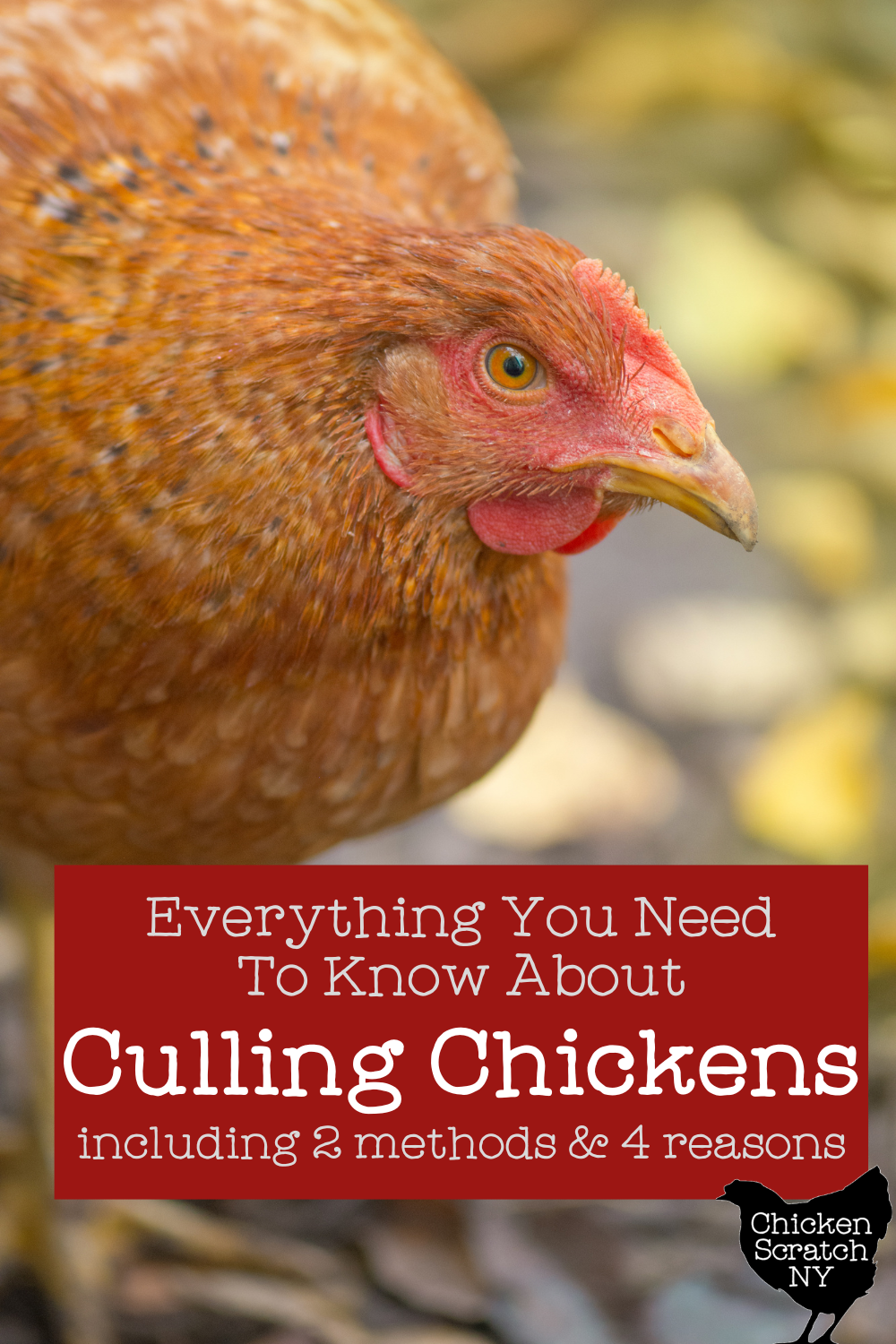
In the realm of poultry farming, the term “cull” is often encountered, yet its implications may not be immediately understood by those unacquainted with agricultural vernacular. To “Cull a Chicken” refers to the process of systematically removing chickens from a flock. This practice serves multiple objectives and reflects the complexities of poultry management. In this exploration, we will delve into the various facets of chicken culling, unveiling its significance and the motivations behind this common yet often misunderstood term.
1. Understanding Culling in Poultry Farming
Culling plays a pivotal role in maintaining the health and productivity of a flock. It involves evaluating each bird based on specific criteria, including age, health status, and productivity levels, before deciding which individuals to remove. This evaluative process not only enhances the overall well-being of the remaining chickens but also fosters a more efficient farming operation. Farmers utilize culling to ensure that their flocks are composed of the most robust and productive birds, thereby maximizing their yield and profit.
2. The Rationale Behind Culling
At its core, culling is driven by various pragmatic considerations. One primary reason for culling is disease management. Diseased birds can act as vectors for pathogens, potentially wreaking havoc on an entire flock. By removing infected individuals, farmers can mitigate the spread of illness, ensuring the health of the remaining chickens.
In addition to health concerns, productivity influences the culling process. Chickens that produce fewer eggs or exhibit lower growth rates may be culled to facilitate the optimal performance of the flock. This approach allows farmers to allocate their resources effectively, nurturing only the most productive birds to maintain a profitable operation.
3. Assessing Criteria for Culling
The criteria for culling can be extensive and may include various factors. Age is a significant determinant; older hens typically have diminished egg production capabilities. A farmer might cull hens that are beyond their peak productive age, thereby making way for younger, more efficient replaceable stock.
Health assessments are equally critical. Farmers routinely examine their flocks for signs of illness, malnutrition, or deformity. Chickens that display symptoms such as lethargy, abnormal feathering, or noticeable weight loss may find themselves in precarious situations, facing the risk of culling.
Another factor to consider is behavior. Aggressive or overly timid chickens can disrupt the social dynamics of a flock. A balanced ecosystem within the coop is vital; thus, temperamental outliers may be removed to foster harmony among the remaining members.
4. The Emotional Aspect of Culling
While culling is fundamentally a business decision, it carries emotional weight. Many farmers have a deep-seated connection with their animals, viewing them not merely as products but as living creatures deserving of care. This emotional conflict can provoke a sense of reluctance when contemplating which birds to cull.
As a result, some farmers approach culling with a philosophy that underscores compassion and responsibility. They might implement strategies that ensure that the birds with the least suffering are selected for removal, thereby navigating the moral complexities inherent in agricultural practices.
5. Culling Methods and Practices
The methods employed for culling chickens can vary significantly. Traditional practices may involve humane euthanasia, encompassing techniques designed to minimize distress for the animal. In more contemporary settings, farmers may opt for more mechanized or automated approaches that adhere to humane standards.
Moreover, the timing of culling is of utmost importance. Many farmers have routines in place, regularly assessing their flocks to identify candidates for culling. The process is not typically spontaneous; rather, it is meticulously planned, often aligning with breeding cycles and seasonal shifts in productivity.
6. Ethical Considerations of Culling
As the public becomes more invested in ethical farming practices, the subject of culling has emerged as a pivotal topic of discussion. Advocacy groups often call for transparency, as consumers are increasingly concerned about the treatment of farm animals. This heightened awareness has pushed farmers to adopt more ethical practices surrounding culling, focusing on humane treatment and rigorous welfare standards.
Farmers are now faced with the dual challenge of meeting production demands while ensuring the humane treatment of their animals. Establishing high welfare standards can lead to a more sustainable farming practice and enhance trust with consumers, who are increasingly scrutinizing the origins of their food.
7. Historical Perspectives and Future Outlook
The concept of culling is not a modern phenomenon; it has roots dating back to the dawn of animal husbandry. Historically, farmers relied on instinct and experience to make culling decisions. However, the advent of technology has transformed the industry, introducing data-driven methodologies and practices that enhance decision-making accuracy.
Looking to the future, the integration of artificial intelligence and machine learning in livestock management promises to revolutionize culling practices. These innovations will enable farmers to make more informed decisions based on comprehensive data analysis, enhancing the overall health and productivity of their flocks while minimizing ethical concerns.
Conclusion
Culling chickens is a multifaceted subject with profound implications for farmers and the animals in their care. From health management and productivity to ethical considerations, culling serves as a window into the complex dynamics of poultry farming. As agricultural practices continue to evolve, understanding the motivations and methods behind culling can foster a more informed dialogue about the welfare of livestock and the responsibilities that come with animal husbandry.












