
When you walk into a room with a flick of a switch and the delightful chill of cool air envelops you, you likely don’t think much about the intricate modes your air conditioning unit can employ. However, have you ever stopped to ponder what the “Dry” mode on your air conditioner means? What sets this enigmatic setting apart from the typical cooling option? Let’s dive into the world of air conditioning modes and explore this scenario that many homeowners encounter.
Imagine it’s a sweltering summer day, and humidity levels soar. You sweat profusely, and the air feels thick and oppressive. Adding more, your cooling system hums away under its regular settings, yet the air remains stifling. What if we told you there’s a mode that can not only cool your living space but also balance the moisture in the air? Welcome to the realm of “Dry Mode.”
Understanding AC Modes
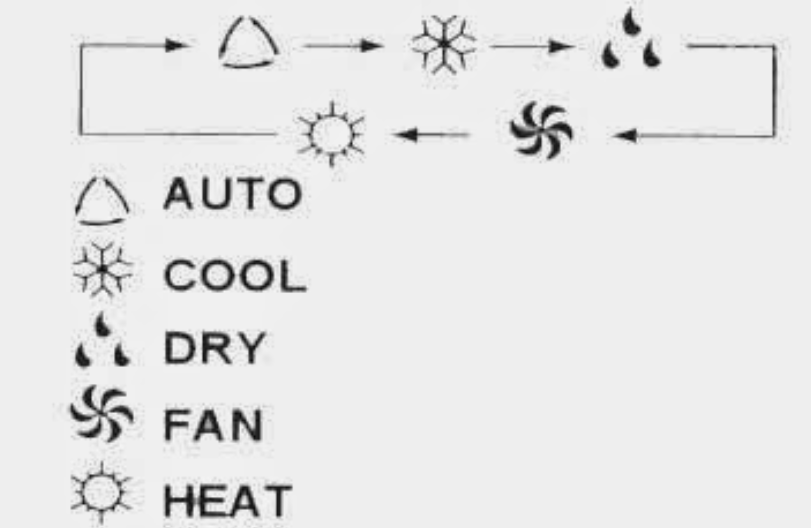
Air conditioning units are equipped with multiple operational modes designed to address varying environmental conditions. Aside from the standard Cooling mode, where units expel warm air outside, you often have options like Heating, Auto, Fan, and the less familiar but essential Dry mode. Each mode serves a specific purpose, and understanding these distinctions can empower you as a user.
What is Dry Mode?
Dry mode operates on the principle of dehumidification. When activated, the unit runs the compressor at a lower speed, allowing it to extract excess moisture from the air rather than drastically lowering the room temperature. It’s an efficient way to create a more comfortable indoor environment while conserving energy.
In essence, when the humidity levels are high, your air conditioner can become a double-duty appliance. It not only cools your space but also reduces the dampness that can lead to discomfort and even health issues like mold growth. This mode is especially beneficial in coastal areas or during monsoon seasons.
How Does it Work?
The operation of Dry mode is both fascinating and practical. When you switch your air conditioning to this mode, sensors detect high humidity levels. The compressor works judiciously, drawing air from the environment over cold evaporator coils, where the moisture condenses. The cool air is then circulated back into your living space, while the condensed water is drained away, effectively reducing indoor humidity.
So, what’s the drawback? While the air feels less humid, the temperature drop might not be as pronounced as in Cooling mode. This might leave you wondering if you’re compromising comfort for a drier atmosphere. The answer lies in knowing when to engage this setting judiciously.
When to Use Dry Mode
Recognizing the opportune moments to utilize Dry mode can significantly enhance your living conditions. Here are some scenarios where this mode shines:
- High Humidity Days: When humidity levels rise but temperatures remain moderate, why not allow your air conditioner to tackle moisture instead of merely cooling?
- Rainy Seasons: In periods of torrential downpour, indoor humidity can spike. Engaging Dry mode can mitigate that musty odor often associated with dampness.
- Sleep Comfort: For restful nights, a less humid environment can yield more restorative sleep. Consider switching to Dry mode while you snooze.
Benefits of Using Dry Mode
Let’s consider the myriad advantages of utilizing Dry mode in your air conditioning unit:
- Enhanced Comfort: Reducing humidity enhances overall comfort, making it feel cooler even without excessively lowering the temperature.
- Energy Efficiency: This mode often utilizes less energy compared to traditional cooling settings, which can lead to lower energy bills.
- Improved Air Quality: By reducing moisture levels, Dry mode lessens the potential for mold and mildew, thus promoting healthier indoor air quality.
- Furniture Care: Wood and upholstery can become damaged in high humidity. Utilizing Dry mode helps protect these valuable assets.
Common Misconceptions
Despite its benefits, misunderstandings persist regarding Dry mode. Some users may assume:
- It Cools Like Regular AC: While it cools, it does not function in the same manner as regular Air Conditioning mode; the cooling effect is subtler.
- It’s Only For Extreme Conditions: Dry mode is a valuable tool for everyday use, not just during adverse weather.
Conclusion
“What does Dry mean on an air conditioner?” It’s more than a mere setting; it’s a comprehensive solution to the pervasive problem of humidity. Equipped with the knowledge of how to utilize this mode effectively, you can navigate the challenges of pervasive dampness while maintaining comfort in your home. As the symptoms of high humidity turn atmospheric warmth into uncomfortable stuffiness, the humble Dry mode emerges as your unexpected ally, bringing ease and serenity to your indoor oasis.
Next time you feel that sticky discomfort creeping in, think about the Dry mode on your AC. Perhaps it’s time to give it a whirl and discover a whole new level of comfort that your living space can provide.












