
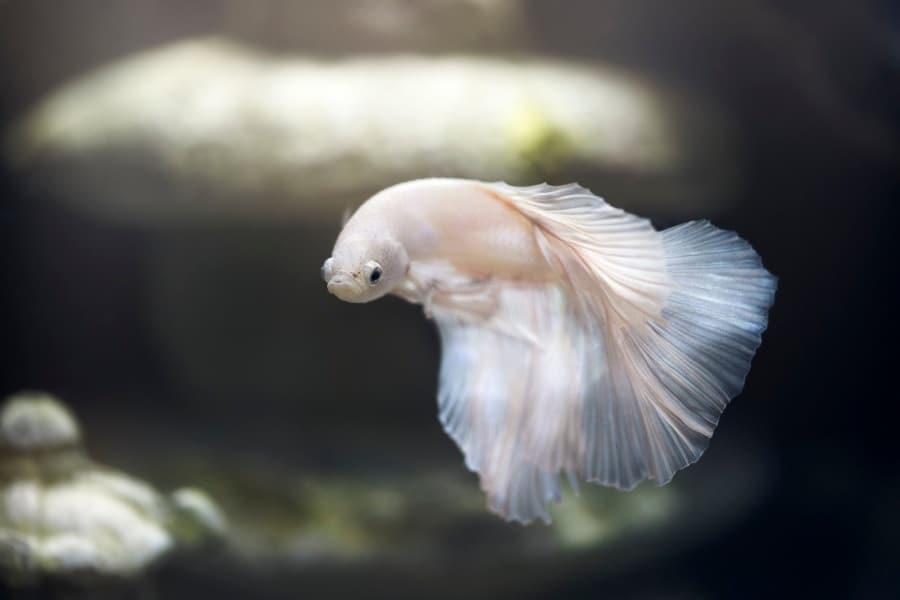
When keeping an aquarium, observing changes in your fish is an undeniable part of the experience. One of the most alarming transformations that can occur is when your fish begin to turn white. The implications of this change can range from benign to serious, raising concerns regarding the overall health of your aquatic inhabitants. In this article, we will examine the various reasons your fish may turn white, the significance of these changes, and the appropriate measures to ensure a thriving aquatic ecosystem.
Understanding the myriad factors influencing the color of fish is essential. Fish change color for numerous reasons, including stress, environmental conditions, and health issues. Color alteration can serve as an important visual cue that reflects the well-being of your aquatic companions.
Common Causes of Color Change
The phenomenon of fish turning white can be attributed to several underlying factors:
1. Stress
Stress is perhaps the most common reason for the discoloration of fish. Various conditions in the aquarium can induce stress, such as:
- Overcrowding: Fish require ample space to swim freely. When they are confined in cramped quarters, territorial disputes and aggression can arise, leading to increased stress levels.
- Poor Water Quality: Elevated levels of ammonia, nitrites, or nitrates can create toxic environments. Testing water parameters frequently ensures levels remain safe for fish, minimizing stress-related color changes.
- Inadequate Hiding Places: Fish, particularly species that are naturally shy, need places to retreat when feeling threatened.
2. Temperature Fluctuations
Sudden changes in temperature can prompt physiological responses in fish, including color alteration. Most fish thrive within specific temperature ranges, and deviations can induce shock. In extreme cases, this shock manifests as a loss of pigmentation, leading to a pallid appearance.
3. Disease and Parasites
Health issues are often indicated by color changes, marking potential ailments.
- Ich (Ichthyophthirius multifiliis): This protozoan parasite is notorious for infecting freshwater and saltwater fish, causing white cysts to form on the skin. Infected fish may exhibit significant color loss and lethargy.
- Skin Fungal Infections: Fungal infections can result in a whitish coloration on the body of fish. Poor water quality often precipitates these issues, making it imperative to maintain optimal conditions.
- Columnaris Disease: Often characterized by white patches around the mouth and gills, columnaris can quickly become fatal if not promptly addressed. Symptoms also include behavioral changes and irregular swimming patterns.
4. Natural Changes
In certain species, natural behavioral mechanics might lead to color changes. For instance, some fish may turn pale as part of their mating rituals or in response to social cues. Pay close attention to the types of fish you keep, as each species may exhibit unique behaviors that could affect their coloration.
Diagnostic Steps to Address Color Change
When you observe your fish turning white, act promptly. Detecting the cause is crucial for intervention:
1. Assess Water Conditions
Utilize a reliable test kit to monitor ammonia, nitrite, nitrate, pH, and temperature. Ensure that all parameters fall within the suitable ranges for the specific species you are keeping.
2. Observe Behavior
Take note of any behavioral changes, including eating habits, social interactions, and movement patterns. This information can help identify if stress or illness is a contributing factor.
3. Quarantine New Additions
If you recently introduced new fish into your aquarium, they might be carriers of diseases that affect your current residents. Employ a quarantine tank for new arrivals to prevent exposure to existing fish.
Preventive Measures for a Healthy Aquarium
Maintaining an optimized environment is vital for the health of your fish and to prevent color changes.
1. Regular Water Changes
Perform routine water changes to ensure that toxins are diluted and necessary minerals are replenished. A consistent schedule of water changes can significantly impact the health of your aquarium.
2. Maintain Appropriate Stocking Levels
Research the ideal stocking levels for your aquarium size and fish species. Overcrowding may lead to an array of health issues, including stress-induced discoloration.
3. Monitor Fish Health
Keep an eye on your fish’s overall condition. Regularly inspect for signs of disease or stress, and do not hesitate to consult with aquatic veterinarians or experts if issues arise.
Conclusion
The sight of a fish turning white can be disconcerting for any aquarist. By understanding the underlying reasons for this phenomenon, one can take proactive steps to restore and maintain the health of their aquatic environment. From assessing basic water conditions to keeping a watchful eye on fish behavior, every action counts in fostering a vibrant and flourishing aquarium. Remember, keeping fish healthy and colorful is not merely an aesthetic pursuit; it is an essential responsibility in the enchanting world of aquatic life.












