
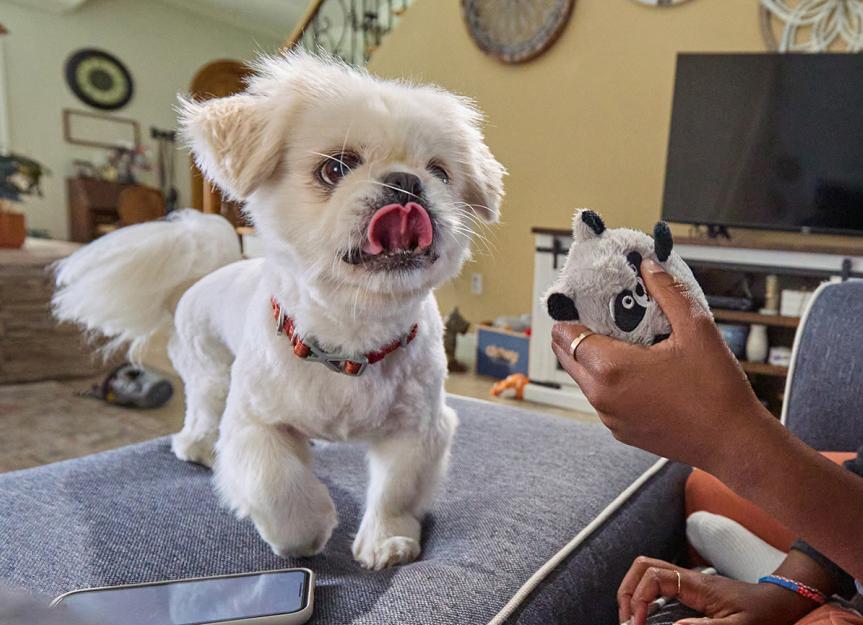
Observing canine behavior can often feel like unraveling a complex mystery. One intriguing action that many dog owners notice is lip licking. This seemingly innocuous gesture can hold a wealth of meaning. Let us delve into the nuances of why dogs lick their lips and what it reveals about their emotional state, physical health, and communication strategies.
Across various contexts, a dog’s lip licking may act as a subtle signal. Understanding this behavior could provide profound insights into how your dog perceives its surroundings. While your initial thought might lean toward the obvious—such as hunger or thirst—the reality is far more intricate. So, what does it truly signify when your four-legged companion engages in this frequent act?
1. Communication and Social Signals
One of the more fascinating aspects of lip licking is its role in canine communication. Dogs are social animals, and their method of interaction often revolves around non-verbal cues. Lip licking can indicate appeasement or a desire to diffuse tension. For example, if your dog encounters a larger dog or a new person, it may lick its lips to convey a non-threatening demeanor. This act serves as a way to showcase submission, signaling that they mean no harm.
In dog parks or group settings, lip licking can also occur between social interactions. Dogs may exchange licks as a form of greeting, demonstrating their friendly intent. This behavior exhibits an innate understanding of polite communication within their social hierarchy.
2. Stress and Anxiety Indicators
However, lip licking is not exclusively a friendly gesture. When your dog feels stressed or anxious, it can resort to licking its lips as a self-soothing mechanism. This behavior manifests when a pet is placed in uncomfortable situations—be it a visit to the veterinarian, the presence of unfamiliar guests, or loud noises like fireworks. Dogs are adept at reading the emotional climate around them and may employ lip licking to signal their unease.
Understanding the context in which your dog licks its lips is critical. If lip licking coincides with other signs of stress—such as whining, panting, or cowering—it may indicate a deeper issue that requires attention. Observing the triggers is essential to effectively manage your dog’s environment and alleviate discomfort.
3. Anticipation and Hunger
Another common reason for lip licking is anticipation, often linked to feeding times or the presence of tasty treats. When dogs catch a whiff of something delectable—like dinner cooking in the oven—they may lick their lips in eagerness. This behavior is especially pronounced in breeds known for their strong sense of smell. The aroma can provoke a visceral response, prompting lip licking as the dog eagerly awaits its culinary delight.
However, this behavior is not limited to human food. Your dog might lick its lips after indulging in its own meal or even after a rewarding treat. Observing this behavior can enhance feeding routines and help create positive associations with mealtimes. Ensuring your dog’s expectations are met can foster a greater bond between you and your pet.
4. Health-Related Considerations
While many instances of lip licking stem from harmless stimuli, it is essential to recognize when this behavior may signal a health concern. Excessive lip licking can sometimes indicate oral issues, such as dental pain, mouth ulcers, or even gastrointestinal discomfort. For example, if your dog consistently licks its lips post-meal or shows a lack of appetite, it may warrant a veterinary check-up. Monitoring your dog’s overall health and behavior is key to identifying any underlying issues. Additionally, dehydration can cause lip licking, prompting your dog to seek moisture. Keeping fresh water accessible can help mitigate this occurrence.
5. Problematic Behavior and Attention-Seeking
Interestingly, lip licking can evolve into a behavioral issue if a dog learns that such actions attract attention from its owners. If your dog notices that lip licking elicits concern or engages you in conversation, it may employ this tactic more frequently. Pay attention to your reactions and ensure that your response does not unintentionally reinforce the behavior. Redirecting your dog’s focus onto constructive activities can help curb attention-seeking lip licking.
6. The Importance of Observation
Ultimately, lip licking is one aspect of a broader behavioral landscape. Understanding your dog’s unique personality, health status, and environmental influences can provide clarity. Simply put, careful observation is the key to decoding canine communication. Pay attention to patterns—when does your dog lick its lips? Is it consistent? Does it coincide with specific events, people, or environmental changes?
Investing time in observing your dog’s behavior not only fosters a deeper understanding but also strengthens the bond between you and your pet. By becoming attuned to these subtle signals, you empower yourself to meet your dog’s emotional and physical needs more effectively.
In conclusion, while a dog licking its lips might initially come off as an idiosyncratic quirk, it is, in fact, a window into your canine companion’s world. From social cues and stress responses to culinary anticipation, each lick carries meaning. By delving into the reasons behind this behavior, you open up a new dimension of understanding and connection with your beloved pet.












