
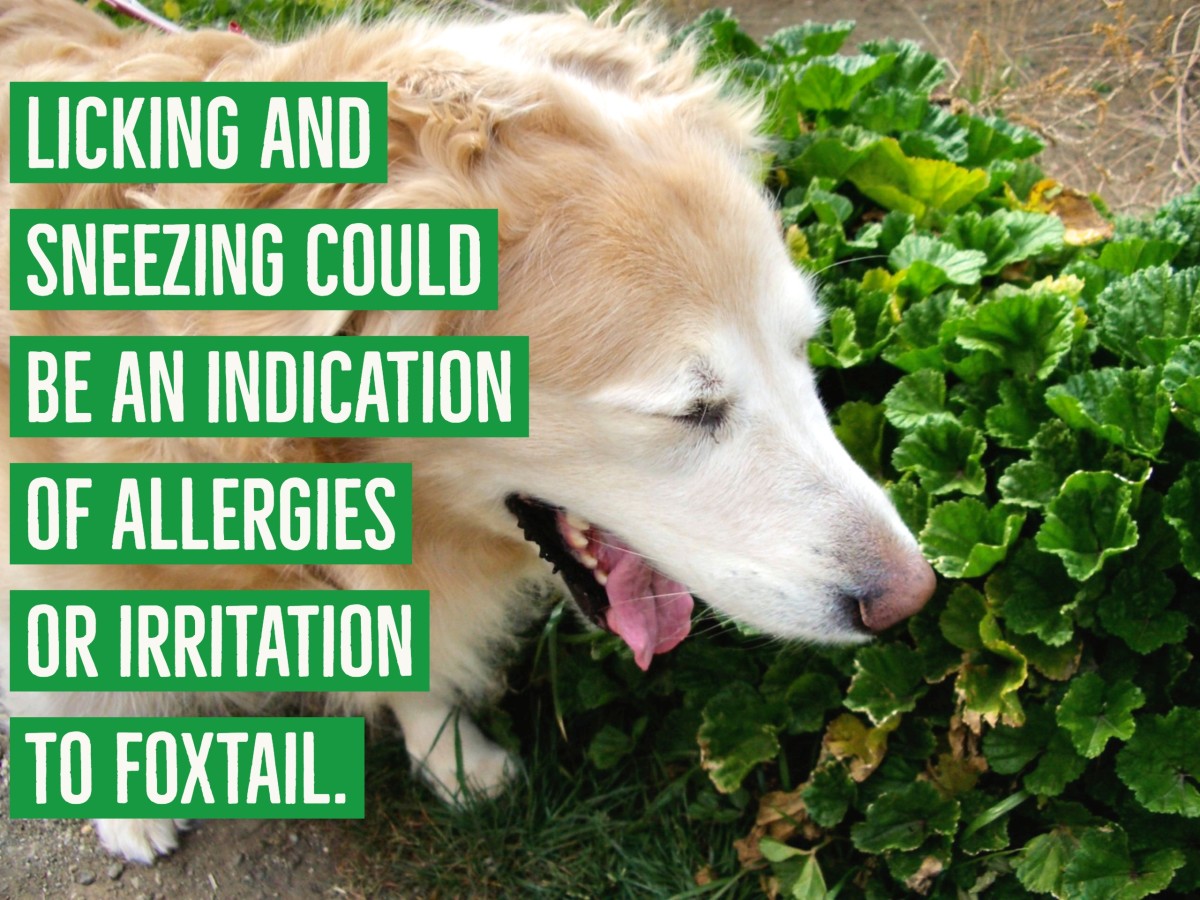
Have you ever observed your canine companion licking their lips incessantly and wondered what it signifies? Is it merely an innocent behavior, or does it perhaps indicate an underlying concern? Understanding the reasons behind this seemingly simple action can be both intriguing and essential for your dog’s wellbeing. This article delves into the various motivations behind this behavior, particularly focusing on stress signals conveyed through lip licking.
Dogs communicate through a plethora of methods, including body language, vocalizations, and specific actions. Lip licking stands out as a particularly nuanced behavior that can range from benign to indicative of distress. Recognizing the differences can facilitate a deeper understanding of your dog’s emotional state and potentially avert challenging situations.
Firstly, let’s explore the most common impetus behind lip licking: stress. Much like humans might fidget or bite their nails when anxious, dogs can express their discomfort through this behavior. Lip licking often occurs in environments that your dog perceives as threatening or overwhelming. Imagine visiting a noisy park or introducing them to a new environment filled with unfamiliar faces and sounds. You may catch your dog while they engage in this instinctive action, signaling their apprehension about the change.
Moreover, stress-induced lip licking can also arise during specific interactions. For instance, if your dog is meeting a new person or entering a tumultuous situation like a vet’s office, their natural response might be to lick their lips—a gesture of submission or nervousness. Observing context is crucial. If the licking is accompanied by other physical cues such as a lowered tail, furrowed brows, or avoidance of eye contact, the signs of stress become even clearer.
Interestingly, lip licking isn’t solely a response to stress. It can signify other emotional or physical states. One fascinating aspect to consider is how dogs express excitement or anticipation, especially with food. Picture this: You come home after a long day with a treat in hand. As your four-legged friend scents that delightful morsel, you may see them licking their lips in eager anticipation. This response, while contrasting with stress signals, is equally worth noting as it illustrates the multifaceted nature of dog behavior.
In certain circumstances, lip licking could point to health issues, such as nausea or oral discomfort. If the frequency of this behavior increases dramatically, it may be prudent to observe other symptoms closely. Does your dog seem to shun certain foods? Are they drooling excessively or displaying discomfort while eating? These can be indicators of physical ailments that necessitate veterinary consultation.
Transitioning from stress to physical health leads us to consider the role of body language. Dogs are masters of non-verbal communication. Monitoring your dog’s full body posture can significantly enhance your understanding of their emotional state. For instance, combined cues such as yawning, licking, or even scratching can represent a cocktail of emotions, including stress and discomfort. If your dog is exhibiting lip licking alongside these other signs, it’s worth recognizing the potential for stress to escalate if not addressed promptly.
Now, let’s briefly touch upon prevention and mitigation strategies. If you notice your dog frequently engages in lip licking, there are straightforward approaches you can adopt. Creating a calm and safe space can alleviate anxiety. Consider designing a calming environment using soft bedding, lowering ambient noise, and incorporating familiar toys or scents that comfort your pet. Often, simple changes can help mitigate stress responses significantly.
Training and socialization also play critical roles in your dog’s behavior. Positive reinforcement techniques can nurture their confidence, making them more resilient to stressors over time. Engaging your dog in regular social activities in a controlled manner can familiarize them with different environments and decrease the likelihood of stress-induced behaviors, including excessive lip licking.
It’s also imperative to recognize that some dogs naturally possess more anxious temperaments than others. If your pet tends to be more skittish, it’s essential to approach stress management as a tailored process rather than a one-size-fits-all solution. Each dog has a unique personality, and understanding their individual quirks can enhance the bond you share.
In conclusion, the act of lip licking in dogs is far from a trivial concern. It serves as a crucial indicator of emotional and physical states, with stress signals being a prominent facet of this complex behavior. By identifying when lip licking occurs and interpreting accompanying body language, you can better understand your canine’s emotional landscape and take proactive measures to address any distress exhibited. So, the next time you notice those adorable lips in motion, consider pausing to ponder what your furry friend may be trying to communicate—because understanding their language can foster a deeper, more harmonious relationship.












