
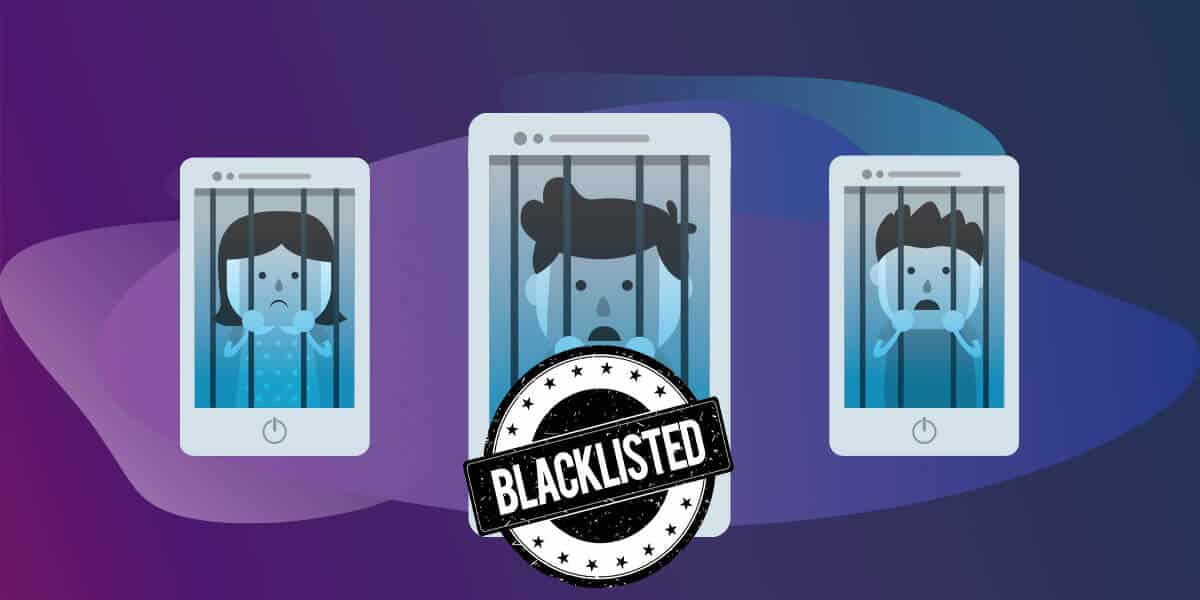
In today’s digital age, where smartphones have become a pivotal aspect of our everyday lives, understanding the concept of a blacklisted phone is crucial. A blacklisted phone is one that has been marked as lost, stolen, or otherwise compromised, resulting in its prohibition from being utilized on cellular networks. This designation raises numerous questions and uncertainties for users who find themselves grappling with such a status. Here, we delve into the intricacies of a blacklisted phone, the underlying mechanisms at play, and what this means for both consumers and service providers.
What Is a Blacklist?
To comprehend the blacklisting of a phone, one must first understand what a blacklist is in this context. A blacklist is essentially a registry maintained by mobile carriers, identifying devices that have been reported for fraudulent activities, theft, or non-payment. These lists are vital for curbing device-related crimes and protecting both users and carriers from financial losses attributable to dishonest usage. When a phone is blacklisted, it is not just an inconvenience; it serves as a protective mechanism for a broader community.
How Does a Phone Get Blacklisted?
Several scenarios can lead to a phone’s entry onto a blacklist. One common reason is the reporting of loss or theft by the device’s owner. When a phone is reported stolen, the carrier may take immediate action to prevent unauthorized use by adding it to the blacklist. Another common situation is when a user fails to fulfill their contractual obligations or payment agreements, prompting the carrier to blacklist the device for non-payment. Furthermore, fraudsters often manipulate devices, leading to their blacklisting once the illicit activity is discovered.
Impact on Users
Being blacklisted can impose some dire ramifications for users. Once a phone is on the blacklist, its functionality is severely hampered, primarily cutting off its ability to connect to cellular networks. Users may find that they can’t make calls, send texts, or access mobile data, effectively rendering their phones useless for any essential communication. This disruption can result in a logistical nightmare, especially for individuals reliant on their devices for both personal and professional purposes.
Moreover, the emotional toll cannot be understated. The sudden realization that a cherished device is now deemed untrustworthy can provoke feelings of frustration, anxiety, and even helplessness. Users often feel trapped, struggling to navigate a world increasingly dominated by mobile technology, now with their primary tool rendered obsolete.
How to Check If Your Phone Is Blacklisted
Checking the status of a phone is a relatively straightforward process. Users can utilize various online services to enter their phone’s IMEI number—the unique identifier for mobile devices—and ascertain its status. The IMEI number can typically be located in the device settings or obtained by dialing *#06#. Numerous websites and applications offer free or paid services to disclose if a phone is blacklisted, providing vital peace of mind for prospective buyers or current users.
What to Do If Your Phone Is Blacklisted
Discovering that a phone is blacklisted can trigger a flurry of emotions and questions. The most immediate concern is whether it is possible to get the phone unblacklisted. Here, the course of action can vary depending on the reason for blacklisting. If the device was reported lost or stolen, the original owner should contact their carrier to clarify the situation. If the phone was misidentified or falsely reported, presenting proof of ownership can often lead to it being removed from the blacklist.
In situations where financial disputes or non-payments led to blacklisting, reaching out to the carrier to address the situation may prove fruitful. Payment plans or settlements may be offered, allowing users to retain access to their devices while rectifying outstanding issues.
Buying a Used Phone: Caveats and Considerations
For consumers scouring the second-hand market for lucrative deals, caution is paramount. Purchasing a blacklisted phone can result in a frustrating experience devoid of any assistance from carriers. A thorough examination of a device’s status before purchasing is imperative. Always request the IMEI number from the seller and check it against blacklist databases to avoid potential pitfalls. In essence, understanding the nuances of blacklisted phones is essential for making informed purchasing decisions.
Final Thoughts: A Perspective Shift
In a world where technology intertwines seamlessly with daily living, the reality of a blacklisted phone serves as a sobering reminder of the vulnerabilities inherent in mobile commerce. However, a sense of empowerment can be found in understanding this phenomenon. By familiarizing oneself with the blacklisting process, potential repercussions, and methods for verification and resolution, consumers can approach their mobile devices with a transformed viewpoint— one that emphasizes awareness, diligence, and responsible usage.
The complexities surrounding blacklisted phones go beyond mere inconvenience; they reveal deeper interconnections between ownership, responsibility, and community safety. Armed with this knowledge, users can navigate their mobile experiences with greater confidence and prudence, forging a path toward more secure and rewarding interactions in the digital realm.












