
Smoke detectors serve as vigilant sentinels in our homes, tirelessly monitoring the air for potential dangers. Yet, when you notice a smoke detector blinking red, a wave of curiosity and concern washes over you. What does it signify? Is it a benign issue, or should you be concerned? In this exploration, we’ll delve into the myriad meanings behind that flashing red light and unveil the subtleties that determine its significance.
Understanding the Basics of Smoke Detector Functionality
Before unpacking the specific implications of a red blink, it’s essential to grasp how smoke detectors function. At their core, these devices use either ionization or photoelectric sensors to detect smoke particles in the air. When smoke infiltrates the chamber, the device initiates audible alarms to alert the occupants. However, the presence of a blinking red light serves a dual purpose — not merely as an alert mechanism in response to smoke, but as an indicator of the detector’s operational status.
What a Blinking Red Light Might Indicate
The blinking red light can convey the following messages, each with its own implications for safety and maintenance:
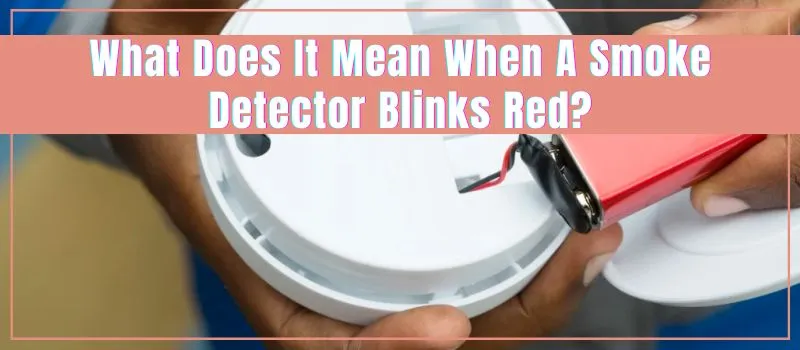
1. Low Battery Warning: One of the most common reasons for a smoke detector to blink red is a low battery. Generally, a steady green light indicates normal operation, while a blinking red light often suggests that the battery is nearing depletion. In most instances, replacing the battery can restore functionality and extinguish the unsettling red light.
2. Malfunction or Faulty Unit: If your smoke detector continues to blink red after a battery change, it may indicate a malfunction. This could arise from various issues such as dust accumulation within the sensor, or the device simply approaching the end of its lifespan. Regular maintenance is crucial in ensuring that your smoke detector functions optimally, as the consequences of a faulty unit can have profound implications for safety.
3. End of Life Warning: Many smoke detectors are designed with an operational lifespan of approximately 8 to 10 years. When this period elapses, it’s not uncommon for the unit to blink red periodically, signifying that it’s time for a replacement. Ignoring this warning may lead to a false sense of security, as an outdated detector may fail to function correctly in an emergency.
4. Interconnectivity Alarm: In homes equipped with interconnected smoke detectors, a red blinking light may indicate that another unit in the network has detected smoke or is functioning improperly. This interconnected system enhances safety, as it not only alerts you to potential danger but also ensures that alarms throughout the house sound uniformly.
Beyond the Blink: Additional Considerations
The implications behind a blinking red light are not merely technical; they demand your attention and action. Failure to respond appropriately can lead to dire consequences. Below are additional perspectives to consider:
1. The Importance of Regular Testing: Ensure the reliability of your smoke detector by conducting monthly tests. This simple action can confirm that your device is operational and drain any accumulated anxiety stemming from uncertainty.
2. Cleaning the Smoke Detector: A buildup of dust or debris can obstruct sensor functionality, leading to false alerts or non-responsiveness. Carefully clean the detector’s exterior and interior components using a vacuum cleaner attachment or a soft brush to help maintain its efficacy.
3. Educational Insight: Take the time to educate yourself and your family about the various sounds and signals emitted by your smoke detector. Understanding the nuances — such as a different pattern of beeping from continuous blinking — can provide clarity about the necessary response.
In Case of Emergency: Immediate Actions
Should you encounter a blinking red light along with a persistent alarm, it warrants immediate investigation. Here are steps to consider:
1. Evacuate the Premises: If the alarm indicates potential smoke or fire, prioritize the safety of everyone in the household by evacuating immediately. Every second counts in these critical situations.
2. Investigate the Source: Once a safe distance from the premises, evaluate if there is any visible smoke or fire. If necessary, call emergency services while ensuring that everyone is accounted for.
3. Seek Professional Help: After addressing any immediate threats, consider enlisting the services of a professional to investigate the smoke detector’s functionality and ensure that all safety mechanisms are in working order.
Final Thoughts: Demystifying the Red Blink
While the blinking red light of a smoke detector might initially stir unease, understanding its implications can transform anxiety into informed action. By recognizing the potential meanings behind the incessant blink and committing to regular maintenance, you can embrace a proactive approach to home safety. Remember, a well-maintained smoke detector is not just a device; it’s a guardian of your home and a silent protector of your loved ones.
Ultimately, the blinking red light serves as a reminder—an unequivocal signal that your attention is warranted. So, the next time you see that red flash, allow it to pique your curiosity and lead you down the path of ensuring safety, preparedness, and peace of mind.












