
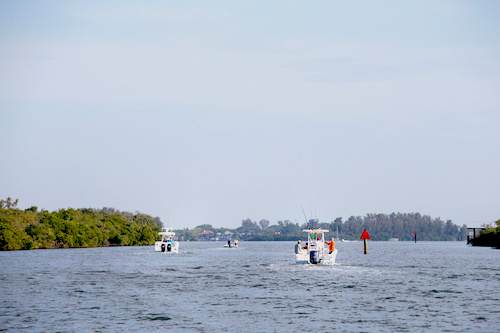
Imagine gliding through a serene lake, sunlight glistening on the water’s surface like a field of diamonds. The tranquility envelops you as you bask in the glory of nature, interrupted only by the gentle lapping of waves against the shoreline. This idyllic scene is often marred by the indiscriminate roar of boat engines, sending ripples across the water and disturbing the peace. Herein lies the significance of “No Wake Zones,” a crucial boating regulation that helps to preserve the harmony between man and nature.
No Wake Zones are designated areas within waterways, where boaters are required to minimize their speed to avoid creating wakes—those disruptive waves that can unsettle the aquatic landscape. These zones are not only about maintaining the serenity of the water but also paramount for safeguarding the flora and fauna that inhabit these delicate ecosystems.
Understanding the Concept
A No Wake Zone serves as a sanctuary within bustling waterways. It is a safe haven—an unspoken accord between boaters and the environment, recognizing the harmful effects that excessive speed can have. When a vessel travels at high speeds, it produces significant wakes that can cause erosion along shores, damage shore-side infrastructures, and disturb wildlife. Therefore, by adhering to No Wake Zone regulations, boaters contribute to the preservation of aquatic habitats and promote responsible boating.
No Wake Zones are typically marked by buoys or signage, signaling to boaters that they must proceed with caution. These visual markers serve as a reminder to respect the environment and the shared space around them. Ignoring such signage not only contributes to environmental degradation but may also lead to legal repercussions.
The Legal Framework
The establishment of No Wake Zones is governed by local and state boating laws, often varying by jurisdiction. A multitude of factors can necessitate these regulations, including the proximity to shorelines, navigational hazards, or areas with active wildlife. Authorities may implement these zones in crowded marinas or near swimming areas where safety is paramount for both boaters and swimmers alike.
In many instances, violations of No Wake Zone regulations can result in hefty fines, and repeat offenders may face more severe penalties. Law enforcement agencies monitor these zones, ensuring that boaters comply with the laws designed to protect both people and nature. Understanding and abiding by these regulations is crucial for fostering a safe and enjoyable boating experience for all.
The Ecological Importance
Wakes are far more than just splashes of water; they carry with them the power to reshape landscapes and disrupt habitats. The turbulence created by high-speed vessels can lead to increased erosion along shorelines, washing away precious nutrients and habitat for various species. In No Wake Zones, vessel operators are advised to maintain a slow pace, significantly mitigating the adverse effects on the environment.
In addition to protecting shorelines, No Wake Zones help preserve the biodiversity of aquatic systems. Many fish and bird species rely on calm waters for feeding and nesting. When boaters comply with these zones, they offer these creatures an opportunity to thrive in their natural habitats, underscoring the symbiotic relationship between humanity and nature.
Best Practices for Boaters
- Stay Vigilant: Always be aware of your surroundings. Look out for signs and buoys indicating No Wake Zones, and adjust your speed accordingly.
- Slow Down: Reduce your speed when entering these zones. Not only is this the law, but it also encourages a pleasurable boating experience, allowing you to appreciate the beauty of your surroundings.
- Be Courteous: Extend courtesy to fellow boaters, swimmers, and the environment. Respecting these rules enhances the experience for all who share the waterways.
- Educate Others: Share what you know about No Wake Zones with friends, family, and fellow boaters. Awareness is key to fostering a culture of responsibility on the water.
Conclusion: The Responsibility of Boating
In conclusion, No Wake Zones embody more than just a regulatory measure; they represent a call to action for boaters to embrace responsibility while enjoying nature’s wonders. They are an embodiment of our collective duty to preserve the delicate equilibrium that sustains aquatic ecosystems. By understanding and respecting these zones, boaters become stewards of the water—champions of conservation and guardians of tranquility.
As we navigate the waterways, let us not forget the importance of maintaining a gentle touch, much like a skilled artist who lovingly paints a masterpiece, stroke by stroke. For each ripple we create can either inspire or disrupt the breathtaking canvas of nature. Choose wisely; navigate thoughtfully.












