
The sneaker world is imbued with its own lexicon—a veritable language of style, culture, and function. Among its myriad of symbols, abbreviations, and designations lies the seemingly innocuous “PS.” To the untrained eye, this might appear as a simple code or an esoteric abbreviation. Yet, this two-letter designation plays a pivotal role in the realm of footwear, particularly for the younger generation, serving as a bridge between playful childhood adventures and the sophisticated world of sneaker culture.
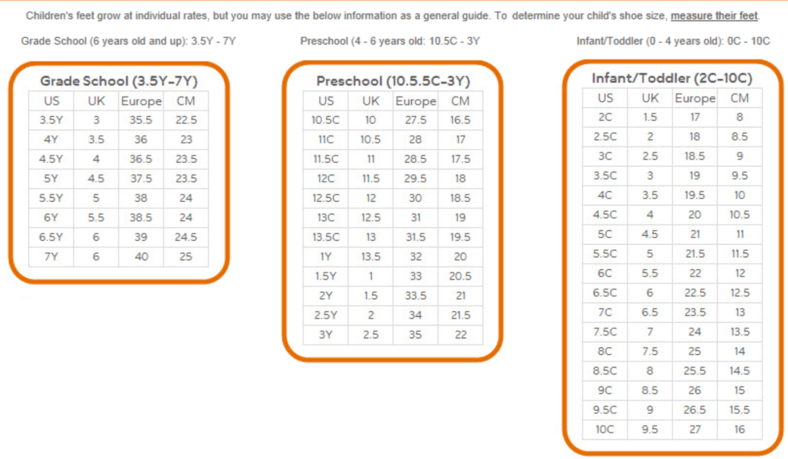
To fully grasp the significance of “PS,” we must first delve into the realm of shoe sizes. The abbreviation “PS” stands for “Preschool,” specifically denoting a range of shoe sizes tailored for children in preschool. It’s a categorical beacon, guiding parents and guardians through the often convoluted maze of children’s shoe sizes, ensuring that their little adventurers are equipped with the right footwear for each unique journey.
Imagine a bustling playground, echoes of laughter reverberating through the air as children dash about in a whimsical blur of color and activity. Every step they take holds the promise of exploration. “Preschool,” thus, is not merely a label; it encompasses the spirit of discovery and the joy of movement, reflecting the dynamic phase in a child’s life when they are beginning to assert their own identity. The “PS” size is conceived especially for littler feet, accommodating the expansion and growth that characterize this stage. The sizes typically range from 10.5 PS to 3 PS, ensuring young children have ample room to frolic.
The significance of size extends beyond the physical dimensions of the shoe. It embodies a child’s transition from early childhood into a stage where they begin to engage with the world in more meaningful ways. As such, selecting the correct size becomes a rite of passage—a small yet significant choice that resonates through the endless act of play.
In the broader universe of sneaker terminology, “PS” is accompanied by other size categories that create a tiered understanding of children’s footwear. For instance, there’s the “TD” designation, which means “Toddler.” It caters to even younger children, encapsulating the very first steps of their journey. Contrast this with the “GS” designation, standing for “Grade School,” which serves children who are navigating their academic adventures. Each of these labels serves not just a practical purpose, but also reflects the unique zeitgeist of the age group it represents.
Delving deeper into the world of sneakers, the specificities of “PS” can be likened to the threads of a finely woven tapestry—each strand contributing to the vibrant narrative of childhood play, adventure, and even aspirations. To a child, a pair of sneakers is not merely footwear; it’s an essential prop in their daily sagas. From running after a soccer ball to creating trails of sidewalk chalk masterpieces, each escapade is colored by the dynamics between the child and their footwear.
But why is the “PS” category of such paramount importance? For one, children’s feet are distinctly different from adults’. They are not miniature versions but instead are uniquely shaped, evolving, and still developing in both structure and size. Ensuring a proper fit means providing optimal support, stability, and even enhancing performance—qualities imperative to children who are in the throes of constant motion and growth.
Moreover, there’s a psychological element wrapped within those “PS” labels. Sneakers become a symbol of self-identity; they reflect a child’s personality and preferences. Bright colors, fun patterns, and trendy designs allow children to express who they are before they can even articulate it in words. The allure of a well-designed sneaker that captivates their imagination can genuinely imbue them with confidence, heightening their engagement in various activities.
As we navigate the intricate landscape of sneaker culture, the “PS” designation is more than just a classification—it’s a cultural emblem. It signifies the intersection of practicality and identity, revealing how something as simple as a shoe can weave itself into the fabric of personal experience. The evolution of these shoes and the significance of proper sizing extends beyond mere convenience; it reflects both an understanding of a child’s physical needs and an appreciation for their burgeoning self-expression.
What’s more, the sneaker industry learns and adapts to these intricacies by offering more than just vanilla PS options. Limited edition releases, collaborations with beloved franchises—think animated characters or iconic athletes—create a whirlwind of enthusiasm and desire amongst the youth. Every pair represents a piece of a larger cultural narrative, where every “PS” symbolizes not just a size but an entire adolescent lifestyle filled with possibility and promise.
Additionally, the movement towards eco-friendliness in sneaker production speaks to a conscientious awareness of the future populating those “PS” sizes. Brands are increasingly investing in sustainable materials, emphasizing that the next generation of explorers deserves not only stylish and functional footwear but also a better planet to explore.
In conclusion, the abbreviation “PS” is far more than a mere acronym in the world of footwear. It is a portal into a child’s world—a world where every pair of shoes can tell tales of shared laughter, adventurous escapades, and dreams perched high on those little toes. It serves as a reminder that, in understanding sneaker sizes, we delve deeper into the significance of childhood experiences and the exuberance of youth. As parents and guardians, navigating these choices becomes a precious journey, echoing the spirit of play and discovery, one tiny step at a time.












