
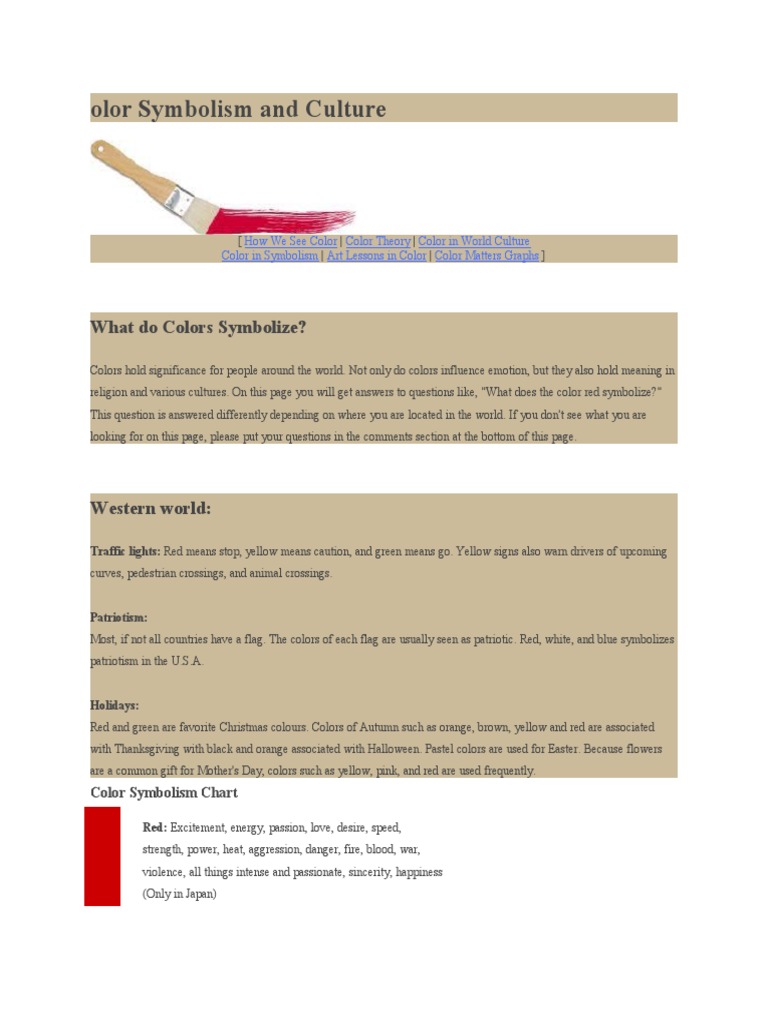
Red, white, and blue are colors that resonate deeply across various cultures and histories, predominantly known for their association with national identities, particularly the United States. However, their meanings extend far beyond patriotic displays, permeating art, politics, and psychology. Understanding what these colors signify can offer profound insights into different cultures and their values, presenting a unique lens through which to view the world.
First, let’s explore the color red. In many societies, red embodies a rich tapestry of meanings that can encompass everything from passion to peril. In Western cultures, red is often linked with love and romance, evoking feelings of fervor and intensity. Consider the iconic red rose—an emblem of deep affection, it is universally recognized as a symbol of love. Yet, red holds a contrasting position in other contexts; for instance, it represents danger or warning, as seen in stop signs and traffic lights. This duality poses an intriguing question: can one color encapsulate both love and danger? The answer lies not just in the color itself, but in the cultural frameworks we impose upon it.
Moving onto white, this hue is typically associated with purity, cleanliness, and innocence in Western cultures. Weddings frequently utilize the color white to symbolize the purity of the bride, creating an ambiance of gentle celebration and new beginnings. However, this interpretation does not hold universally. In many Eastern cultures, white is the color of mourning, signifying loss and the somber realities of death. This divergence highlights how cultural perspectives shape color meanings, challenging the notion that colors have universally fixed interpretations. When encountering white in different contexts, one might consider the multifaceted emotions it evokes, prompting a deeper understanding of cultural nuances.
Now, let’s delve into blue. This color often exudes feelings of tranquility and stability. In many cultures, blue is revered for its connection to nature—think of the vast sky or endless oceans. It symbolizes serenity and peace, offering a visual respite in a chaotic world. Interestingly, blue also depicts loyalty and trustworthiness, often utilized in corporate branding to foster a sense of reliability. However, it’s essential to acknowledge the psychological implications tied to blue as well. Descriptive terms like “feeling blue” connect the color to melancholy, suggesting a somber dimension lurking beneath its serene exterior. This complexity invites one to reconsider the simplicity often attributed to color symbolism.
When combined, red, white, and blue become powerful symbols of national identity, particularly within the American context. The colors of the American flag stand as a testament to the values and ideals that shaped the nation. Red symbolizes valor and bravery, a nod to the sacrifices made for freedom. White connotes purity and innocence, reflecting the nation’s aspirations. Lastly, blue represents vigilance, perseverance, and justice. Together, they comprise a narrative of hope, courage, and the relentless pursuit of a more perfect union. This flag embodies the commitment to uphold these ideals, sparking a sense of unity among its citizens.
Moreover, the triad of colors expands into the realm of political symbols worldwide. For instance, many nations adopt red, white, and blue within their flags to convey distinct meanings aligned with their historical contexts. In the United Kingdom, red represents the blood shed in defense of the realm, white symbolizes peace, and blue is associated with the Virgin Mary. Understanding these nuances prompts an inquiry into how colors articulate national histories and collective identities, evoking emotions that resonate powerfully within the populace.
Art also reveals fascinating dimensions of red, white, and blue symbolism. Renowned artists have harnessed these colors to evoke specific emotions, paint social commentaries, or encapsulate moments in history. Works like Jasper Johns’ “Flag” challenge viewers to reconsider the everyday symbols they take for granted, asserting that art can provoke dialogue around identity and patriotism. Such explorations underscore the interplay between color, culture, and individuality, urging us to delve into the personal significance these colors may hold.
Psychologically, colors influence human behavior in remarkable ways. Studies have shown that red can increase heart rates and stimulate energy, while blue can have a calming effect. This raises intriguing questions about how these colors impact individual and collective actions. For instance, during political campaigns, the strategic use of red, white, and blue can evoke patriotism, rallying support and reinforcing national solidarity. The ability of colors to sway emotions and perceptions highlights their potency in shaping socio-political landscapes.
Lastly, the significance of red, white, and blue extends into global events and celebrations, reflecting cultural pride and history. Independence Day in the United States showcases vibrant displays of these colors, evoking enthusiasm and a sense of belonging. Conversely, national celebrations in other countries exhibit similar color-themed festivities, highlighting how collective memory and pride manifest through colors. This phenomenon evokes admiration for diverse expressions of identity and unity, drawing attention to our shared human experiences.
In conclusion, the meanings behind red, white, and blue are rich with cultural symbolism, each color contributing to a broader narrative that invites exploration and reflection. They challenge us to understand the interplay between color, culture, and emotion, broadening our perspectives on identity and community. As we navigate through the kaleidoscope of meanings, we are reminded that our interpretations are shaped by cultural contexts and shared histories, encouraging a deeper appreciation for the colors that paint our world.












