
In the labyrinth of automotive engineering, the term “slip” often emerges, not merely as a word, but as an echo of friction’s finest dance. Slip transcends the mundane, weaving a tapestry of kinetic variables that govern a vehicle’s grip and trajectory. Let us embark on an exploration of this enigmatic phenomenon that many drivers experience yet often misunderstand—unraveling the threads of vehicle slip and traction alerts, as we delve into the subtleties of vehicular dynamics.
Unraveling the Concept of Slip
Imagine a graceful ballet dancer performing pirouettes on a polished stage; the dancer embodies precision and control, dependent wholly on the friction of the surface. Now, envision that same dancer attempting a turn on ice. The elegant twirl turns into an erratic spin as the lack of grip sends them careening off course. This is akin to what happens to a car during “slip.” In the automotive realm, slip refers to the differentiation between the rotational speed of the wheels and the actual speed of the vehicle across a surface. When a wheel spins without translating that rotation into forward motion—whether due to wet conditions, icy roads, or even aggressive acceleration—it enters a state of slip.
The consequences of slip can be dramatic. A vehicle may veer unexpectedly, challenging the capabilities of even the most skilled driver. Understanding slip, therefore, serves as a cornerstone in the mastery of vehicle management, particularly in adverse conditions.
The Dynamics of Traction
Friction acts as the unsung hero in controlling slip—the ever-present force that allows tires to grip the ground. This interaction between the tires and the road can be visualized as a complex conversation; the tires whisper to the asphalt, seeking to forge a bond that manifests as traction. When this bond weakens, slip occurs. Factors influencing this dynamic conversation include tire composition, weather conditions, and road surface characteristics. For instance, worn tires may struggle to maintain this dialogue, turning a potential harmony into a cacophony of chaos.
Causes of Slip
Several factors conspire to create the perfect storm of slip. First and foremost, the weather exerts a significant influence. Rain, snow, or ice dampens road grip. Vehicles navigating through torrential rain may experience hydroplaning, a phenomenon where water creates a barrier between the tires and the road, leading to loss of contact and, consequently, control.
Also, aggressive driving can provoke slip. Sudden accelerations, sharp turns, and abrupt braking all challenge the balance of forces acting on the tires. Think of it akin to trying to corner too sharply on a skateboard; when speed overwhelms the grip, disaster can strike.
Slip and Vehicle Technology: The Modern Guardians
Modern vehicles are equipped with an array of technological safeguards designed to mitigate the risks associated with slip. Anti-lock Braking Systems (ABS) and Traction Control Systems (TCS) serve as guardians, finely tuned to maintain optimal traction. ABS, for example, prevents wheel lock-up during hard braking, allowing for steering control even in the midst of a panic stop. TCS, on the other hand, monitors wheel speed and selectively applies braking to the wheels that are experiencing slip, thereby redistributing power and enhancing stability.
Imagine driving through a torrential downpour; the car’s modern systems serve as the vigilant sentinels, subtly adjusting the brakes and throttle to ensure the sanctity of traction. Such technologies provide peace of mind, transforming potential calamities into mere trifles.
Understanding Traction Alerts
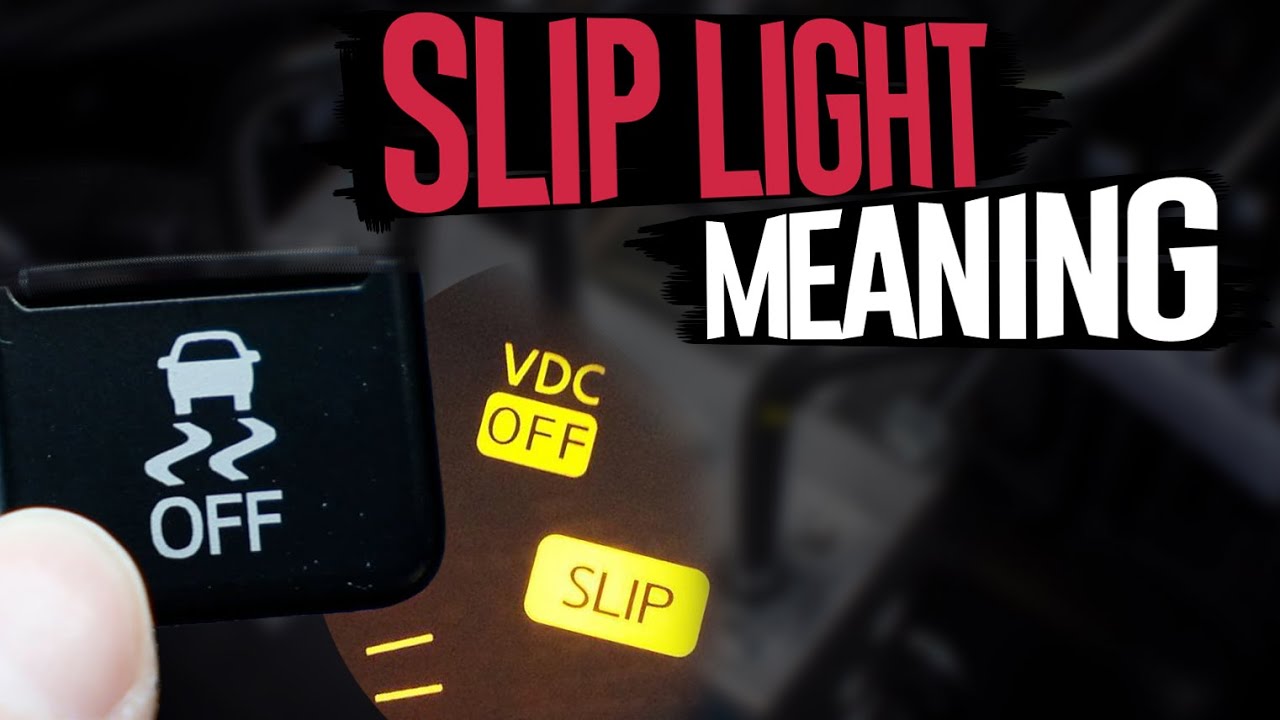
Most vehicles come equipped with a traction control alert, a feature designed to keep drivers informed when slip occurs. This alert acts like a siren during a tempest, signaling to the driver that the once harmonious connection between vehicle and road has begun to falter. Illuminated by the dashboard light, it serves as a visual cue to reduce speed or adjust driving behavior, urging the driver to recalibrate their approach.
Furthermore, the traction control system typically engages automatically during adverse conditions, creating a seamless adjustment that keeps you safely grounded even when nature wields its unpredictable wrath. The connection between these alerts and driving safety cannot be overstated; understanding their function could be the difference between navigated chaos and catastrophic turbulence.
Conclusion: Mastering the Dance of Slip
In essence, slip is not merely a term but a story—a narrative of physics playing out on the stage of our daily lives. Grasping the concept of slip and the corollary effects on traction empowers drivers with the knowledge to navigate the unpredictable landscapes of modern driving. Like the ballet dancer balancing on the edge of grace, each driver wields the responsibility of knowing their vehicle’s limits and the environmental constraints at play.
In mastering the art of slip management, one can dance elegantly through the unexpected twists and turns of the road, ensuring a safer journey each time they step behind the wheel. With awareness, a delicate touch, and the myriad technologies designed to support us, slip becomes less a source of dread and more an aspect of the thrilling tapestry that defines automotive travel.












